Architectural Portfolio

Jennifer Wei Zhang

01
PORTFOLIO

Alongside a traditional document-format portfolio, I wanted to build a more dynamic and evolving space to reflect how I explore, design, and communicate architecture.

VIE - BA - BJ
02
ABOUT ME

Curious by nature and passionate about making things, I have been actively exploring architecture across diverse contexts and cultures. Finding creative and functional solutions to tangible needs is a practice I love, and architecture has become my way of engaging with the world around me.
03
APPROACH

As a recent graduate, my work is driven by curiosity rather than a fixed style—exploring how architecture can engage with the history, values, and dynamics of the place they inhabit.

04
BEYOND

I believe that to design for the human experience, I must first immerse myself in it—learning from the richness of spaces, people, and cultures. Whether it is graphics, photography, cooking, or web design, I enjoy dabbling into different mediums and finding inspiration through them.

01
PORTFOLIO

Alongside a traditional document-format portfolio, I wanted to build a more dynamic and evolving space to reflect how I explore, design, and communicate architecture.

02
ABOUT ME

Curious by nature and passionate about making things, I have been actively exploring architecture across diverse contexts and cultures. Finding creative and functional solutions to tangible needs is a practice I love, and architecture has become my way of engaging with the world around me.

03
APPROACH

As a recent graduate, my work is driven by curiosity rather than a fixed style—exploring how architecture can engage with the history, values, and dynamics of the place they inhabit.

04
BEYOND

I believe that to design for the human experience, I must first immerse myself in it—learning from the richness of spaces, people, and cultures. Whether it is graphics, photography, cooking, or webdesign, I enjoy dabbling into different mediums and finding inspiration through them.

Project Summary

Research-Driven Design and Design-Driven Research

Through iterative processes in which both research and design become mediums for inquiry, I hope to create architecture that is equally rooted in its past and present as it is anticipating its future.
15-24

Research-Driven Design and Design-Driven Research

Through iterative processes in which both research and design become mediums for inquiry, I hope to create architecture that is equally rooted in its past and present as it is anticipating its future.
Understanding Context

—emphasising a deep contextual understanding to shape responsive and informed design solutions.

Understanding Context

—emphasising a deep contextual understanding to shape responsive and informed design solutions.

1
A Heritage-Based Approach to Adaptive Reuse:
Reimagining the Old Grain Station in Qinghua Town
Year 6

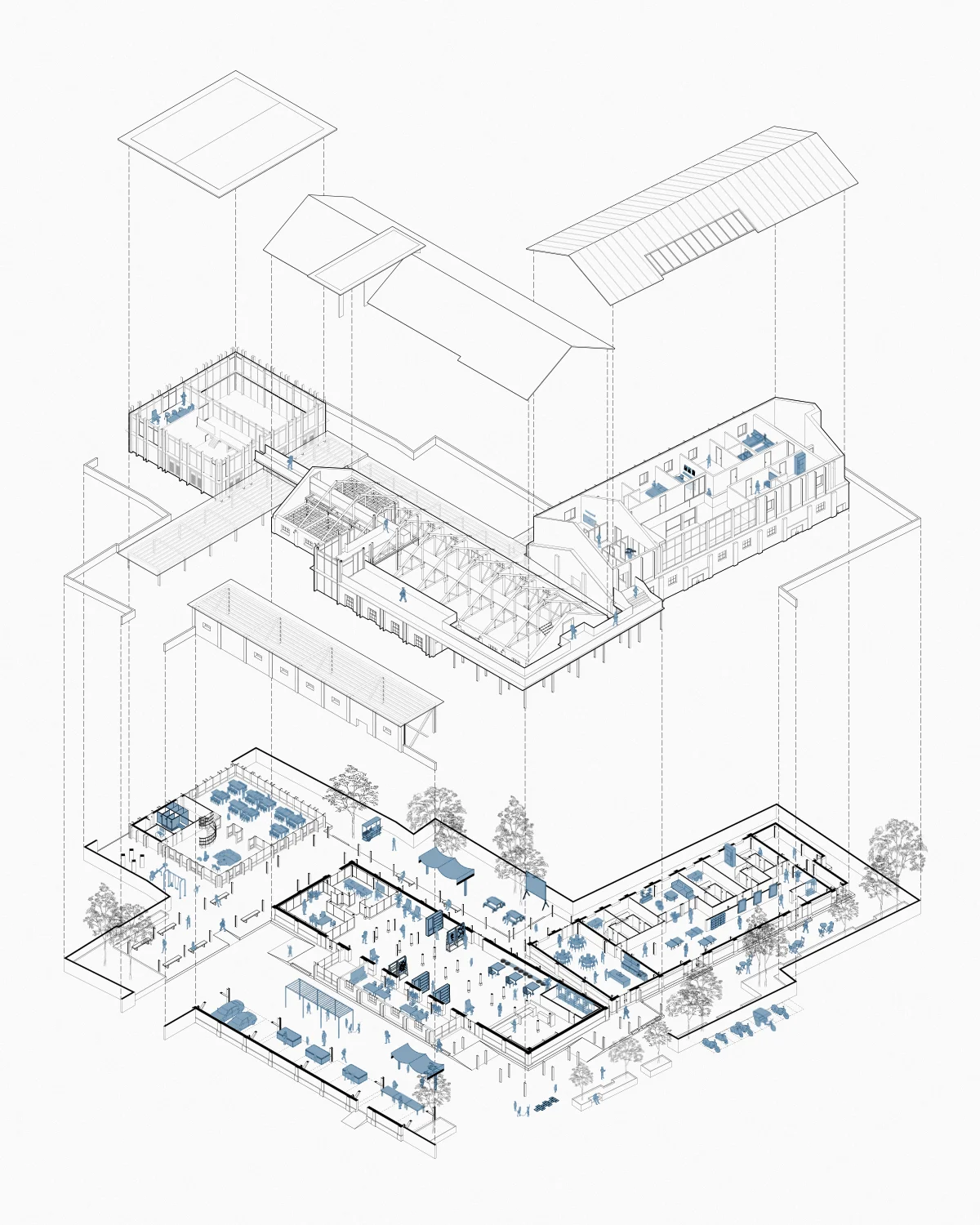
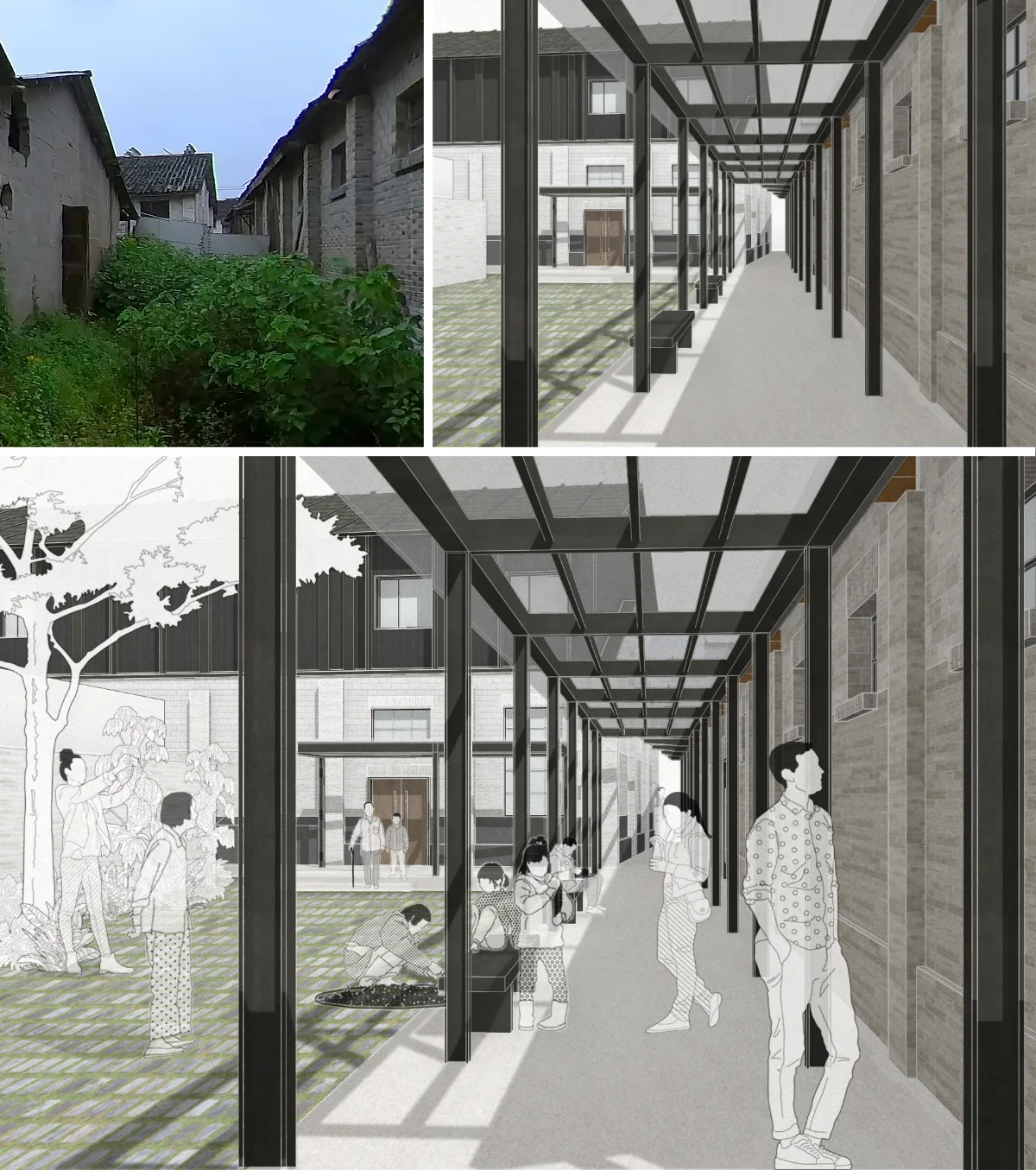
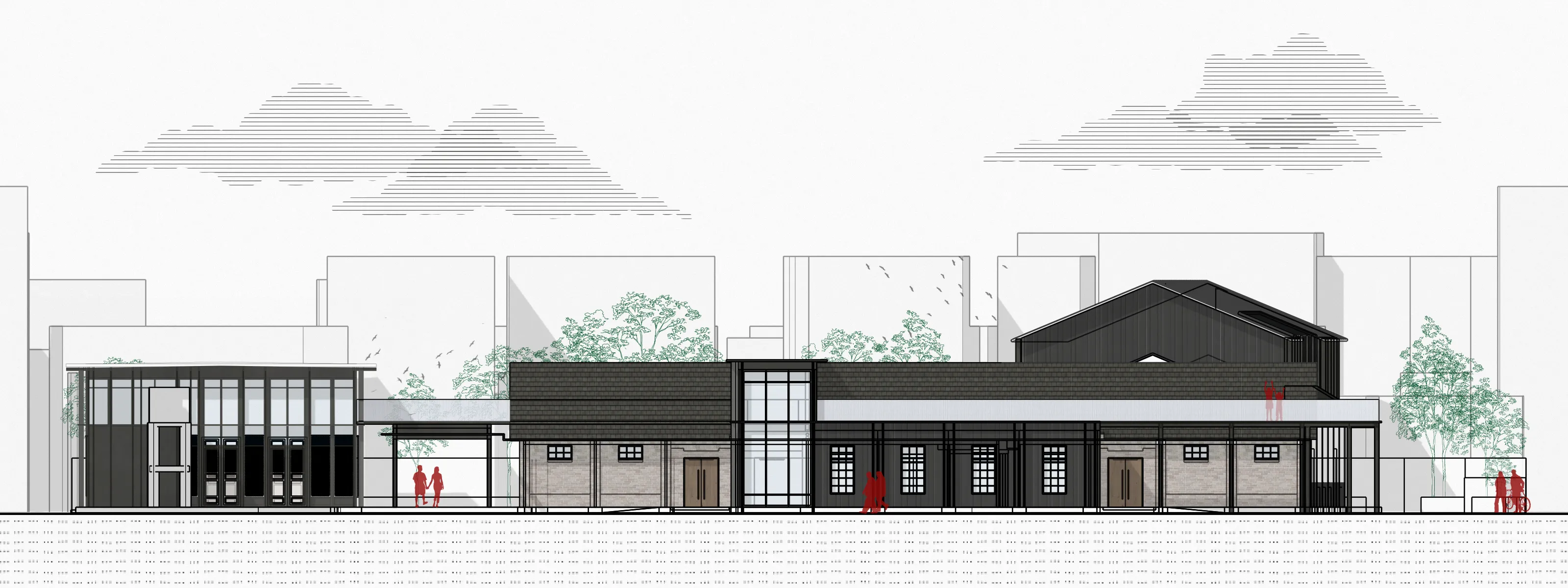
Once an integral part of China’s grain distribution network, the Old Grain Station in Qinghua Town has gradually fallen into disuse amid the rapid changes in urban and rural environments. This project constructs a heritage-based analysis framework, drawing on existing theories to develop a nuanced understanding of the site and its context.

A heritage value assessment informs strategic urban and architectural interventions that adapt the existing structures to contemporary needs while protecting—and in some cases, accentuating—their historical essence. By repositioning the site as a creative and community-oriented space, the project demonstrates the transformative potential of viewing the existing built fabric not as a constraint but as an opportunity for creative reinterpretation.

View More
2
Applied Urban Analytics:
Adaptive Transformation of Jiulong Peninsula
Year 5

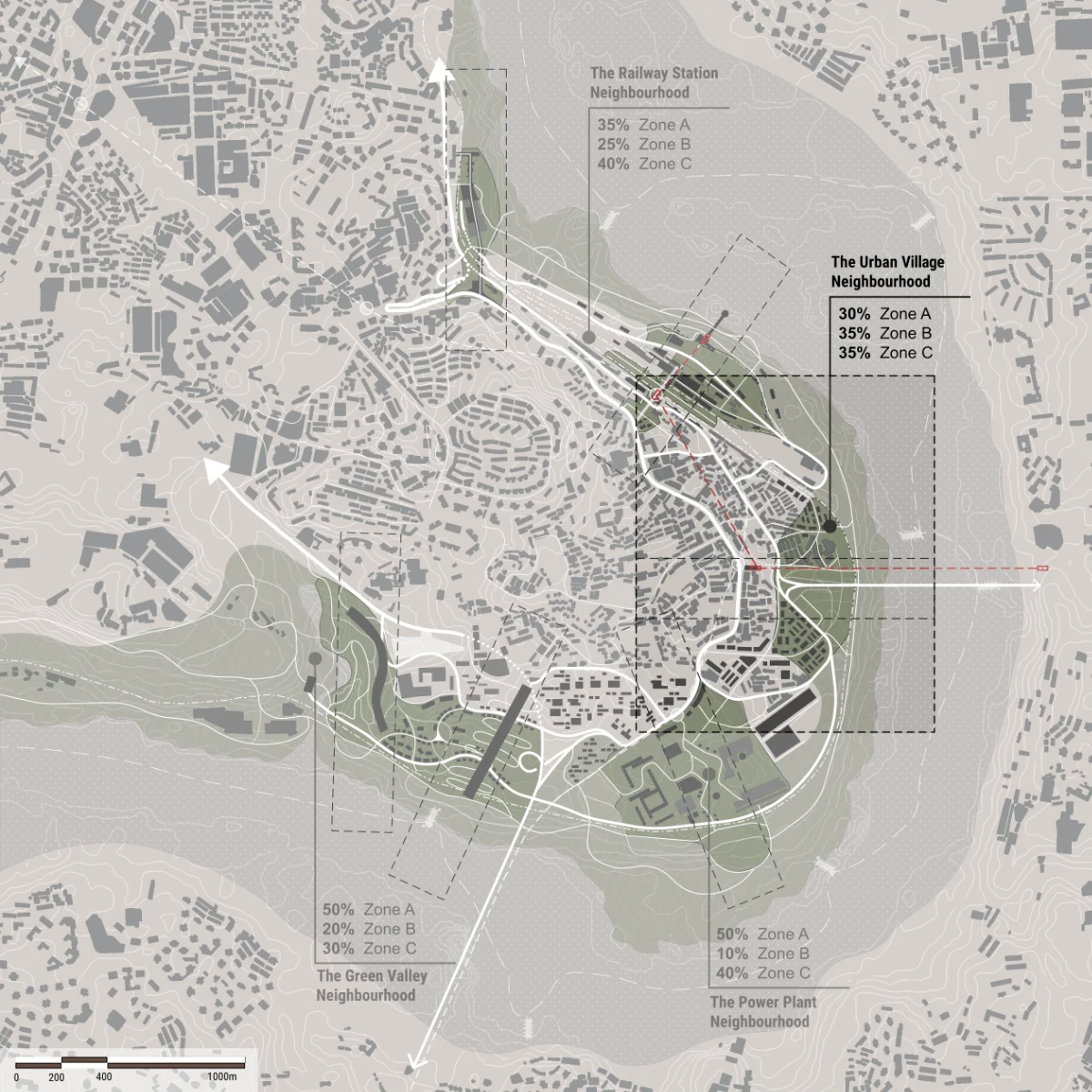
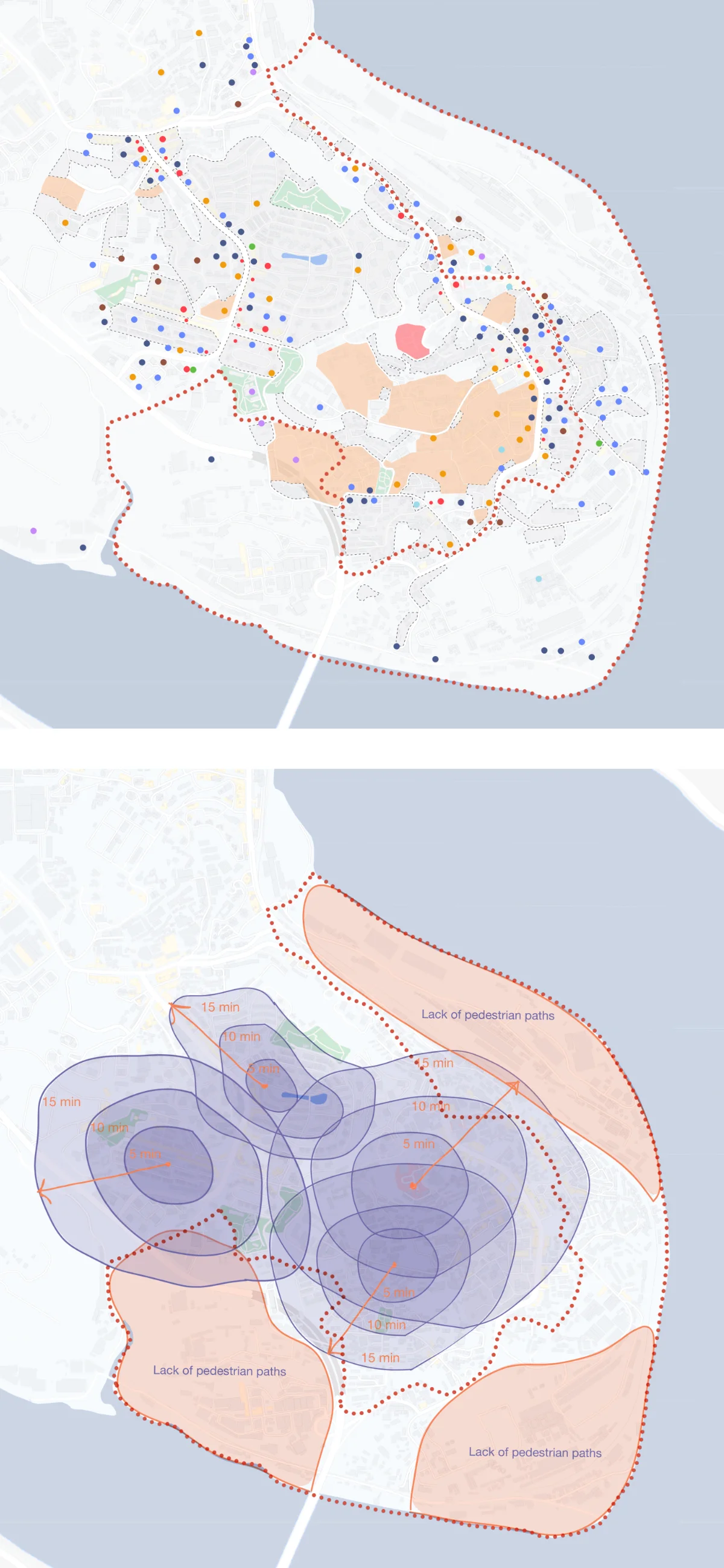
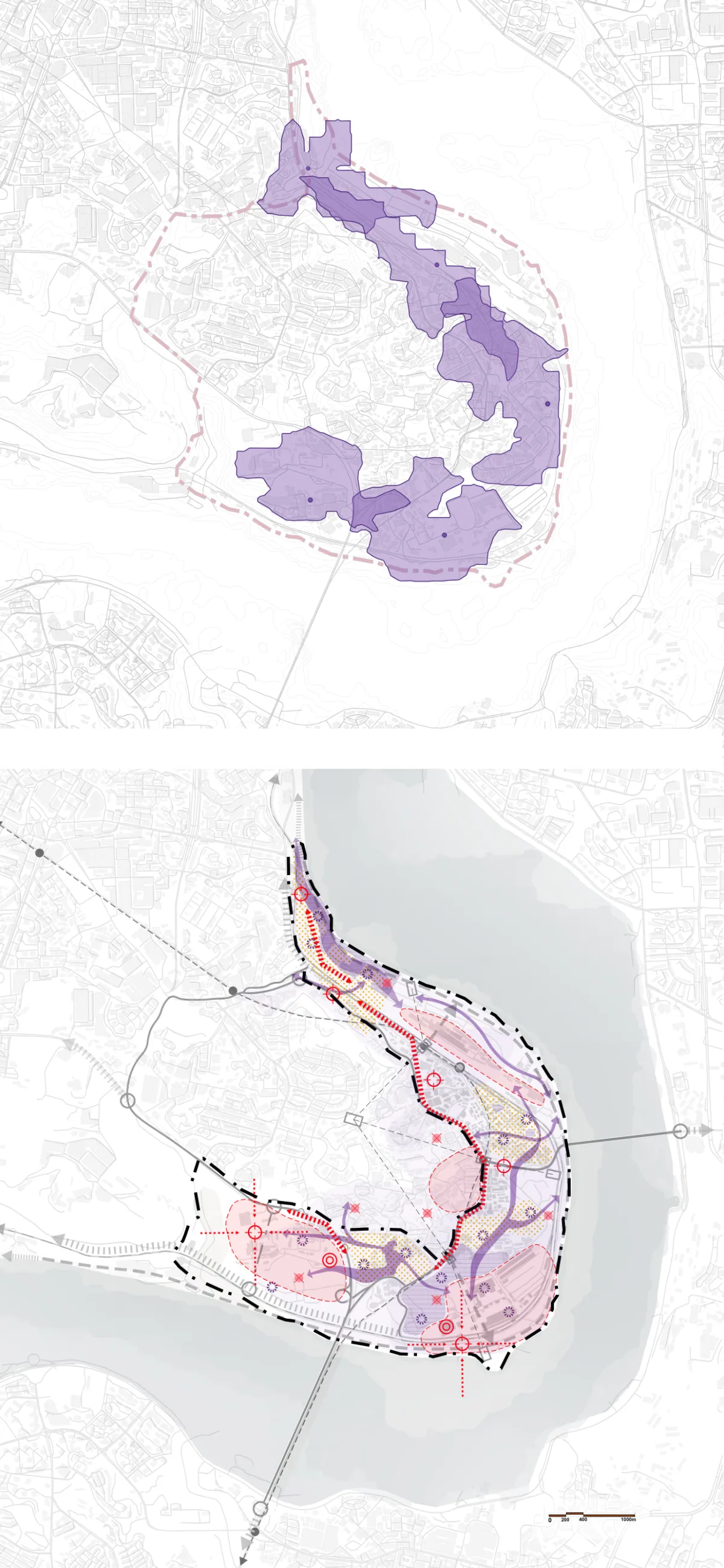
This project explores the adaptive transformation of Jiulong Peninsula, an old industrial site in the south of Chongqing, China. Developed in a 19-person team, the project began with research into themes such as ecological sustainability, circular economy, and digital innovation, followed by strategic interventions across urban and architectural scales.

As part of a smaller subgroup, I first focused on the 15-Minute City concept, utilising open data and urban analytics to access accessibility and public services across the site. These findings, along with insights from other subgroups, subsequently informed my neighbourhood strategy, identifying key issues in the redevelopment of the abandoned residential zone. Proposed interventions involve new intergenerational living clusters with public green spaces, and cultural corridors to encourage community activities and engagement.

Designing for Memory

—exploring how architecture can preserve, evoke, and engage with memory and narratives across time.

Designing for Memory

—exploring how architecture can preserve, evoke, and engage with memory and narratives across time.

3
The Beirut Lines:
A Symbol for Collective Hope
Year 5

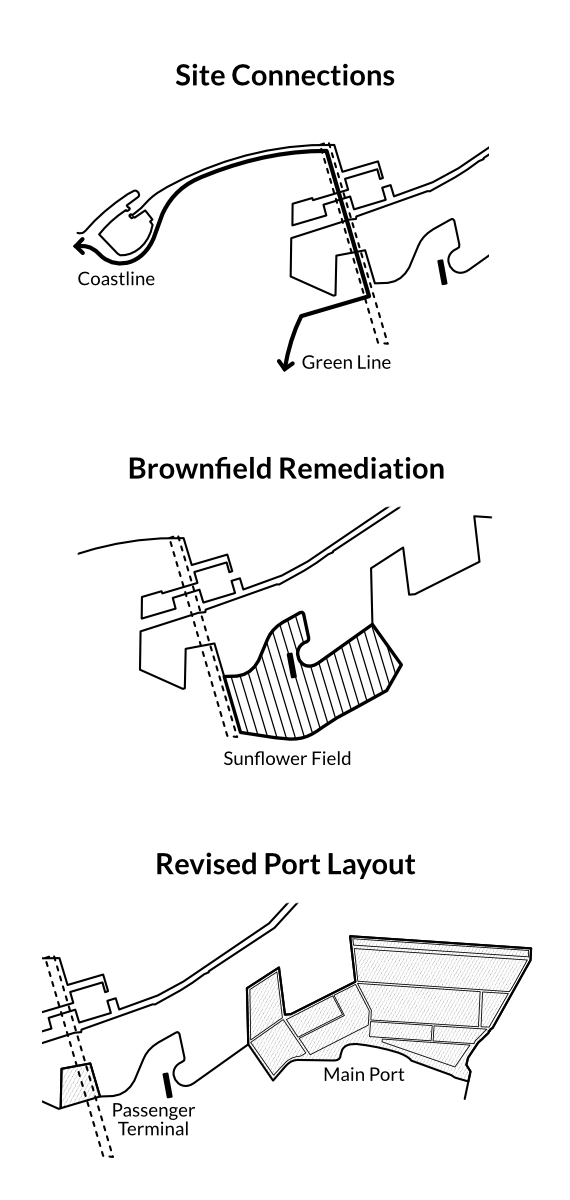
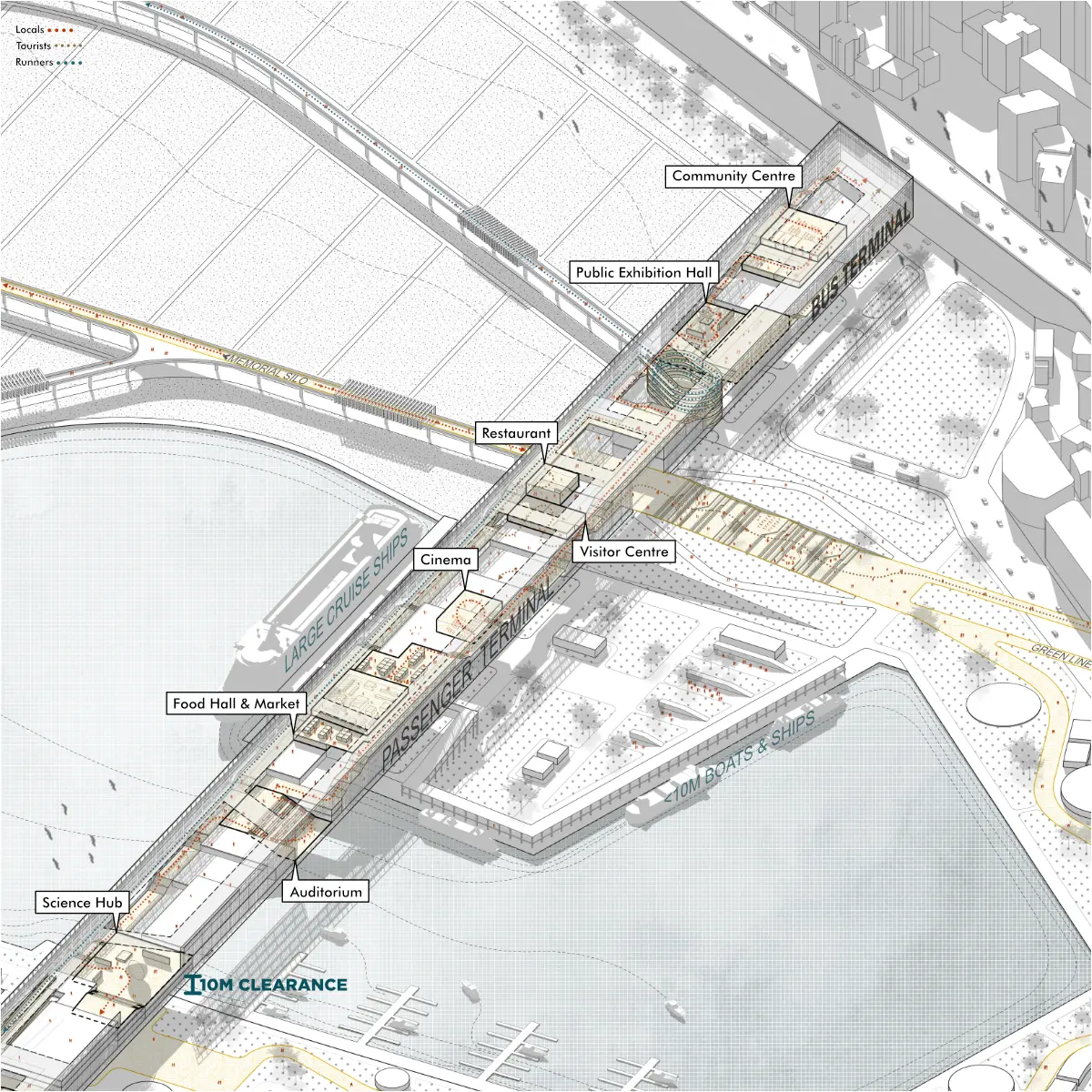
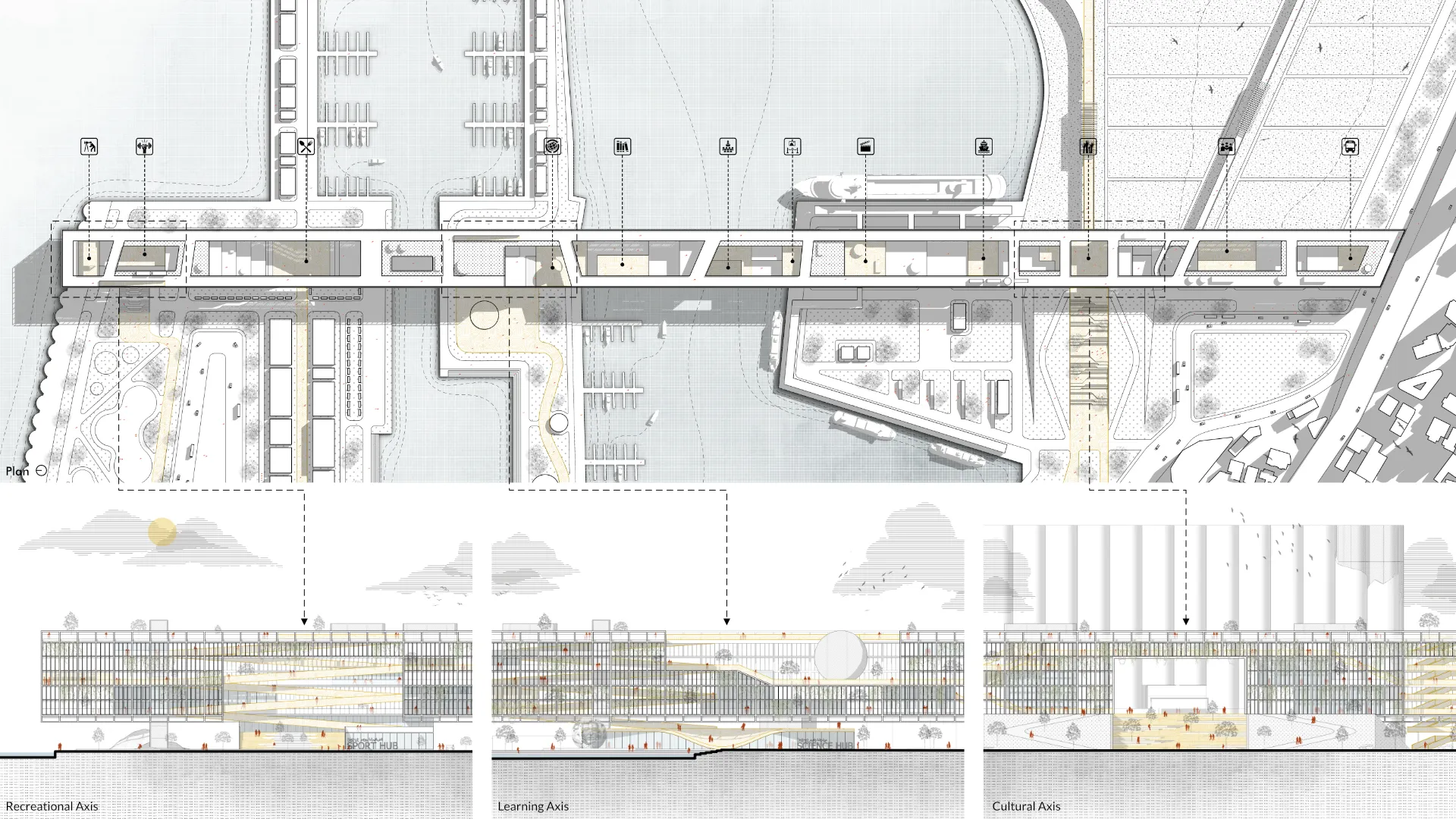
The Beirut Lines envisions a bold civic gesture that reconnects the city’s fractured urban fabric and acts as a catalyst for social and spatial regeneration. Designed in a team of two for a studio competition, the project responds to the aftermath of the 2020 Beirut port explosion, addressing both the physical and psychological void left in the city.

An elevated multi-level public hub accommodates diverse programmes while allowing the brownfield site below to recover through phytoremediation with a sea of sunflowers. Emphasising adaptability and community needs, the project bridges historic divides by providing a flexible framework for the evolving cityscape.

Winner of two international competitions, The Beirut Lines has been recognised for its vision of collective memory and urban renewal beyond the academic setting.

View More
4
Schattenseite:
Experimental Non-Verbal Theatre
Year 3

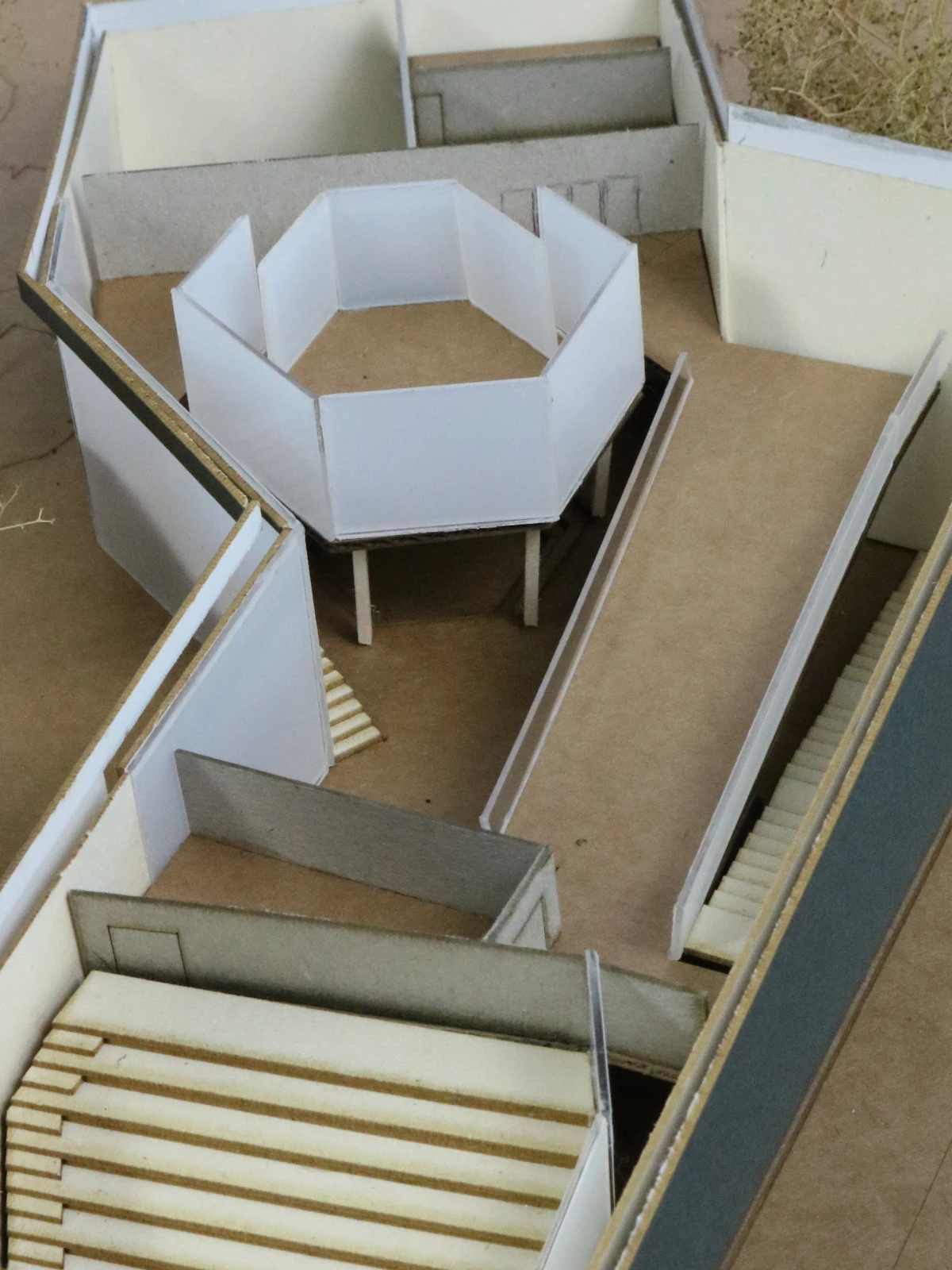
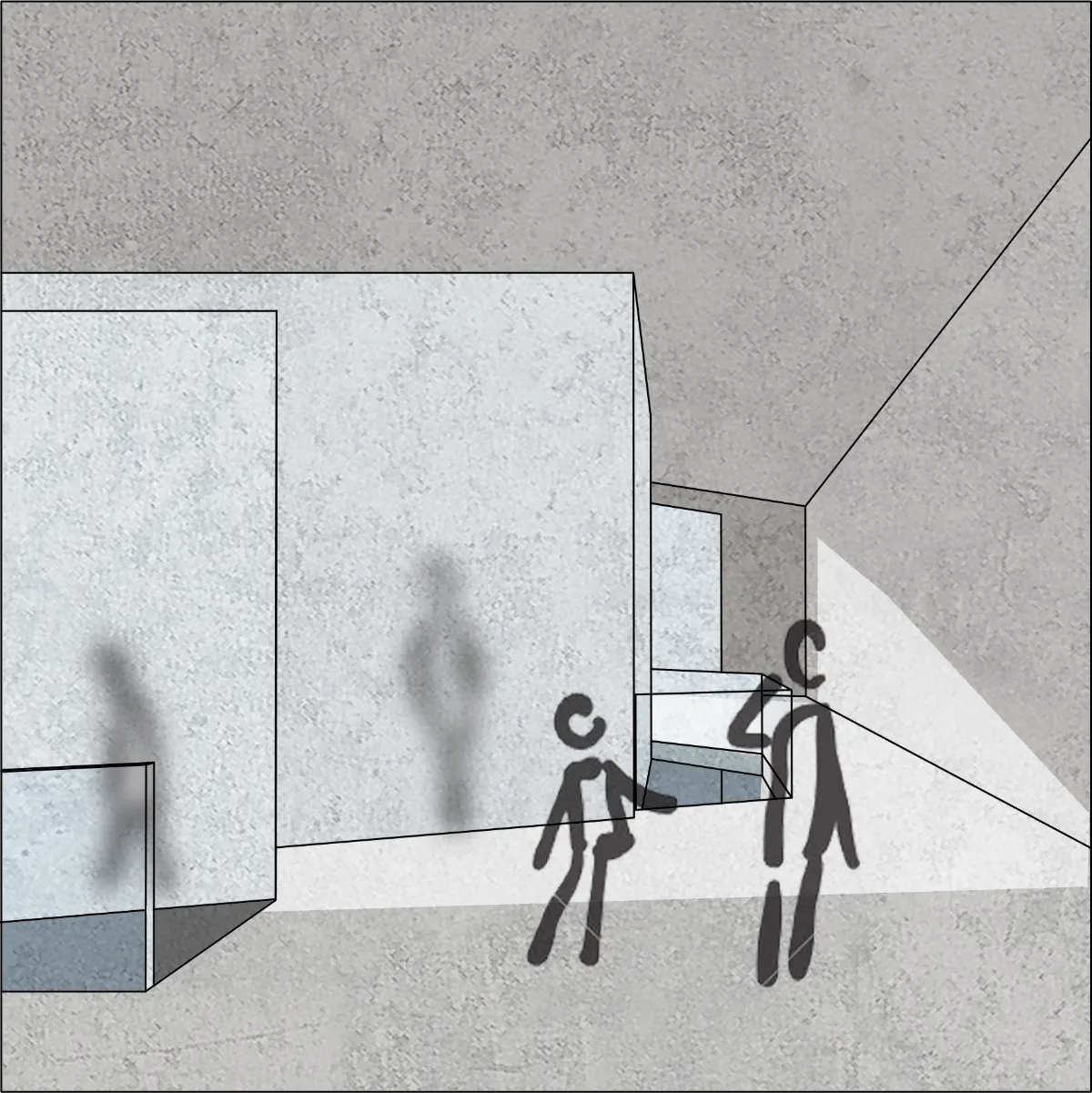
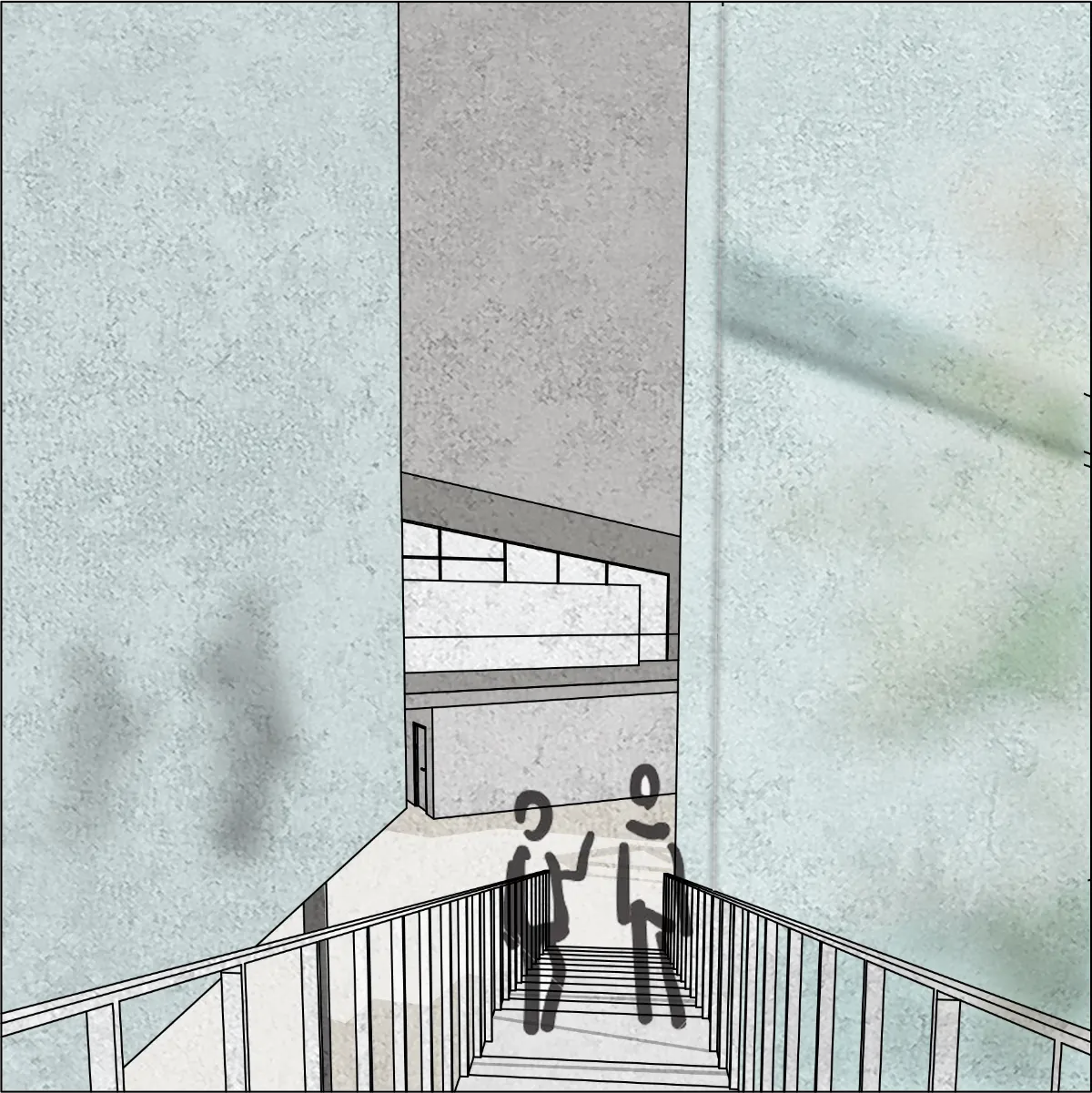
Architecture has the power to evoke memory and emotion, particularly in places marked by historical trauma. Located at the Topography of Terror, this scheme reflects Berlin’s bold engagement with its past, drawing from the city’s memorial culture and spatial narratives.

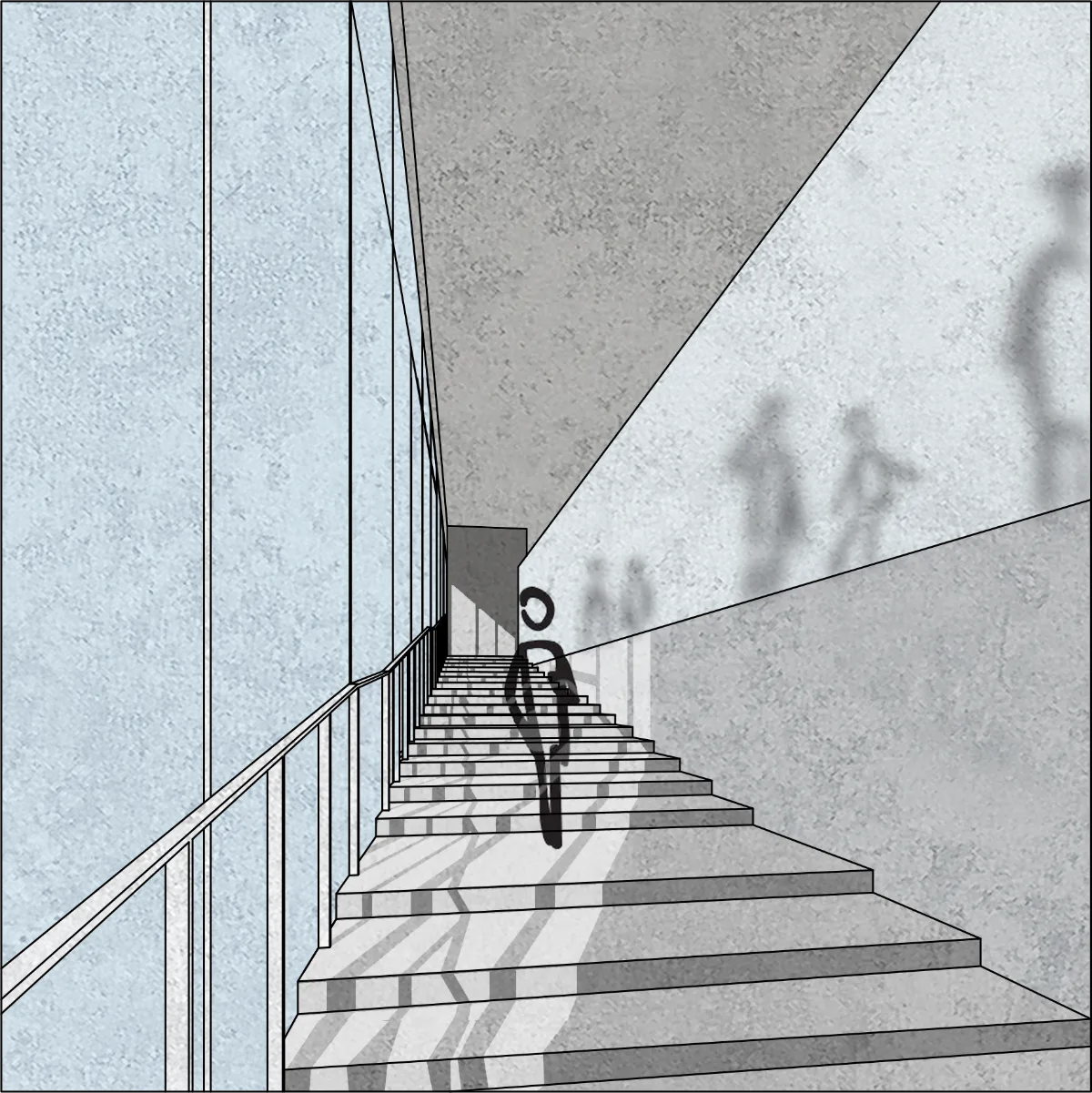
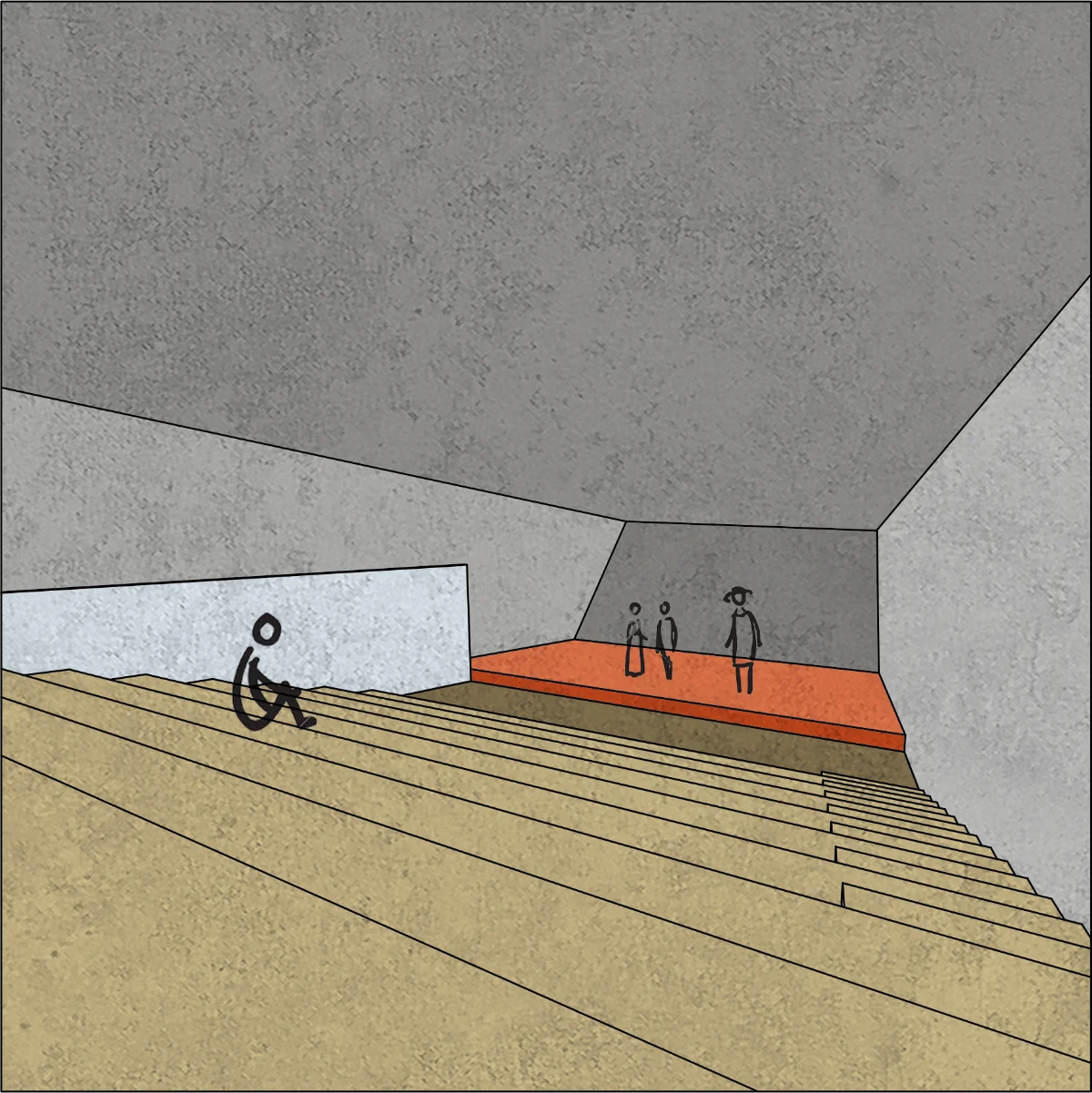
The design challenges the traditional theatre experience, questioning the conventional disconnection between actors and audience. Inspired by the interplay of light, shadow, and materiality throughout the city, visitors engage with seen and unseen presences— their movements casting and revealing shadow-like figures across translucent and reflective surfaces. Interweaving people, space, and history, the theatre creates a living stage where the past lingers, and memory unfolds in motion.

User-Centred Spaces

—centred around user experience, circulation, and the spatial relationships between people, spaces, and their context.

User-Centered Spaces

—centered around user experience, circulation, and the spatial relationships between people, spaces, and their context.

5
Museum of Bath Culture:
A Municipal Museum for Bath
Year 4

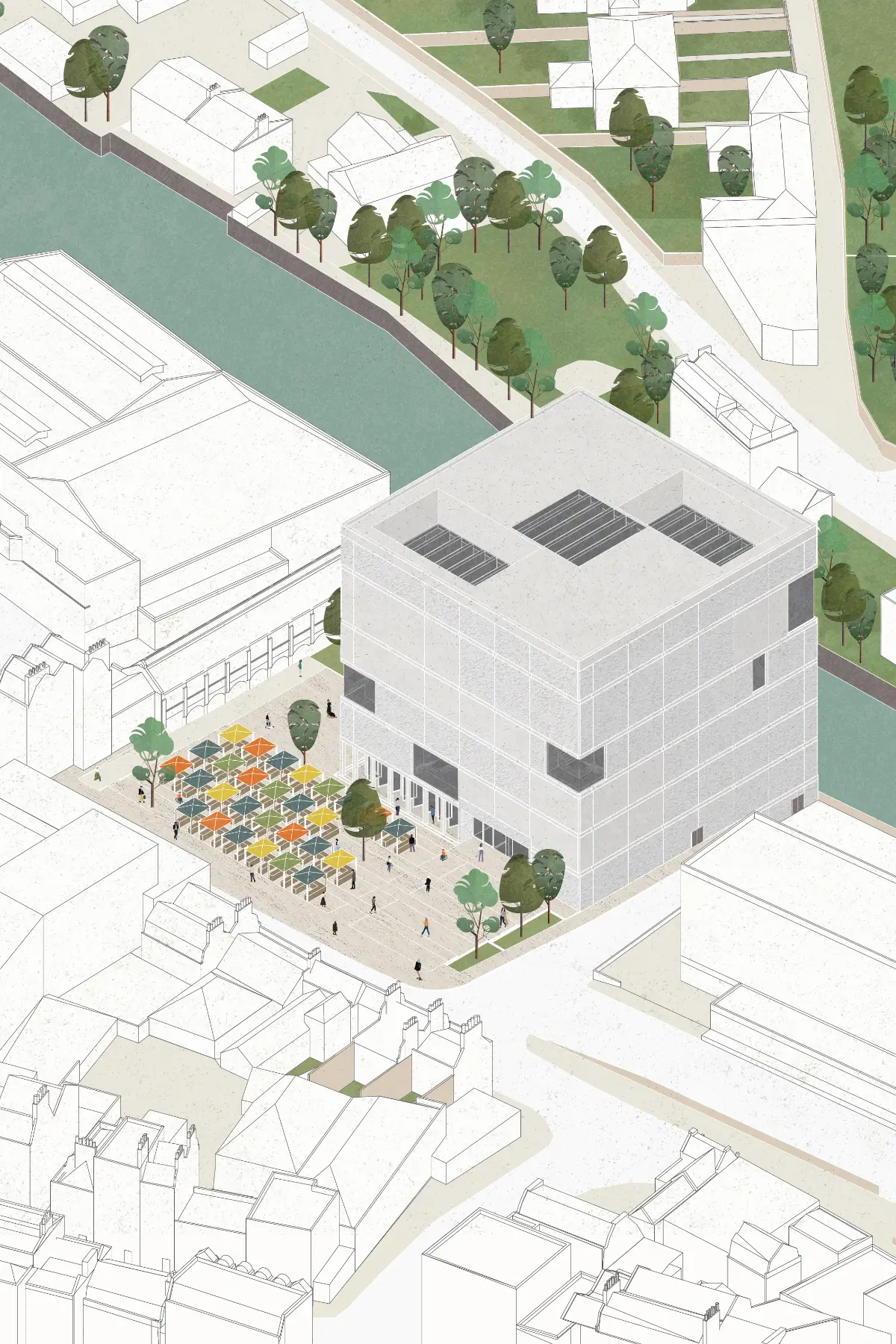
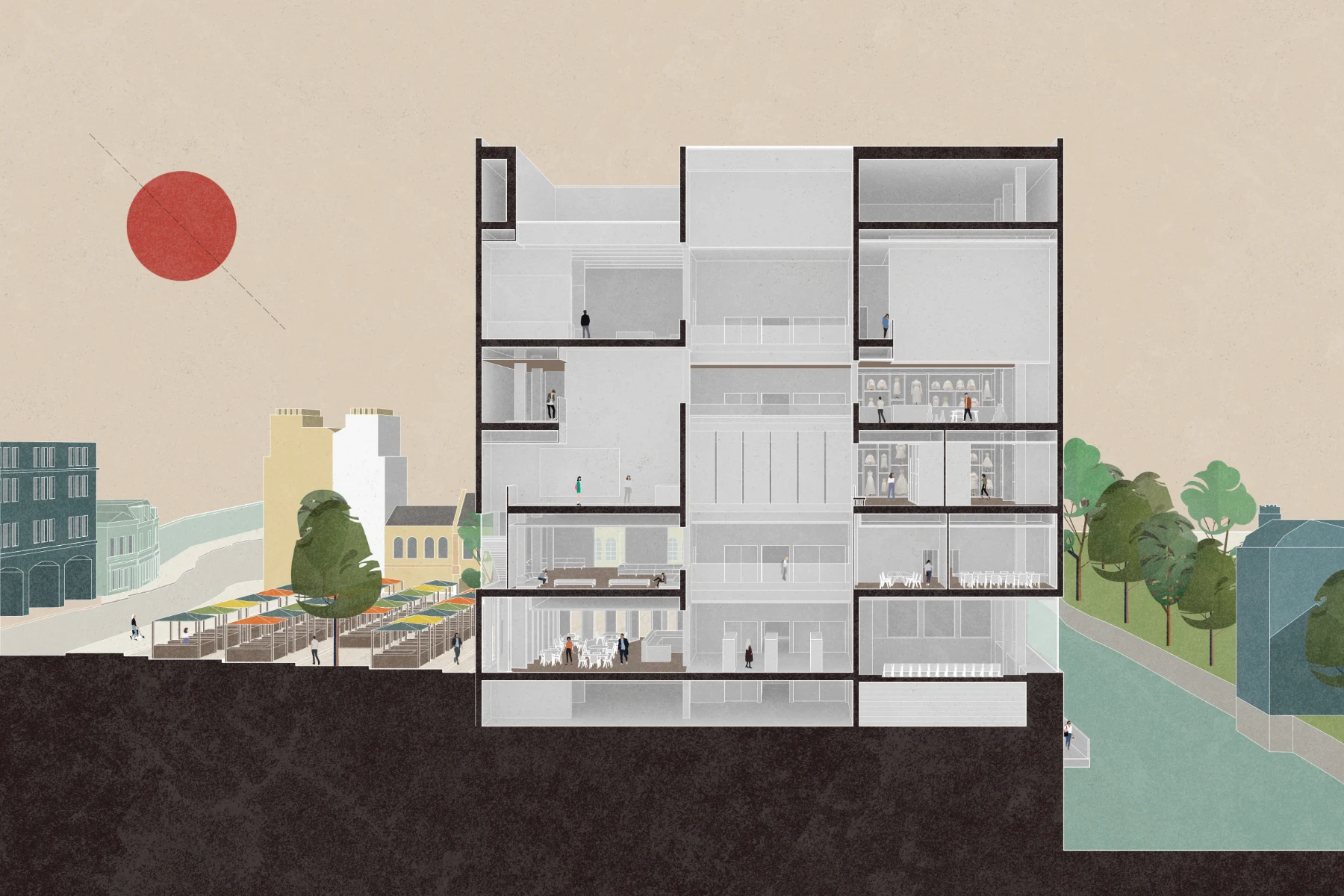
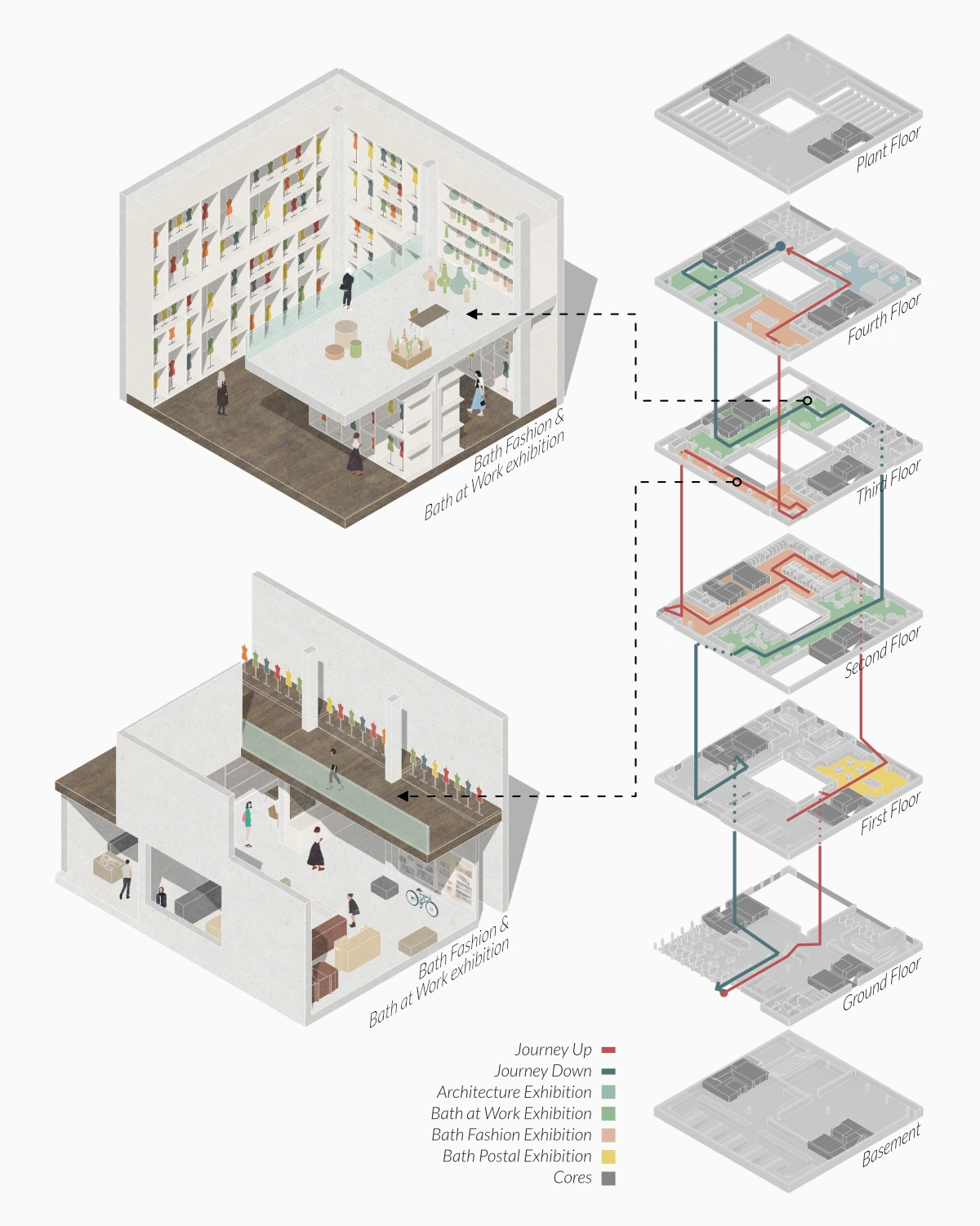
Despite Bath’s rich cultural landscape, its collections remain fragmented across the city, limiting their visibility and long-term sustainability. This project proposes a new municipal museum, accommodating four existing collections alongside spaces for temporary exhibitions, learning, and leisure.

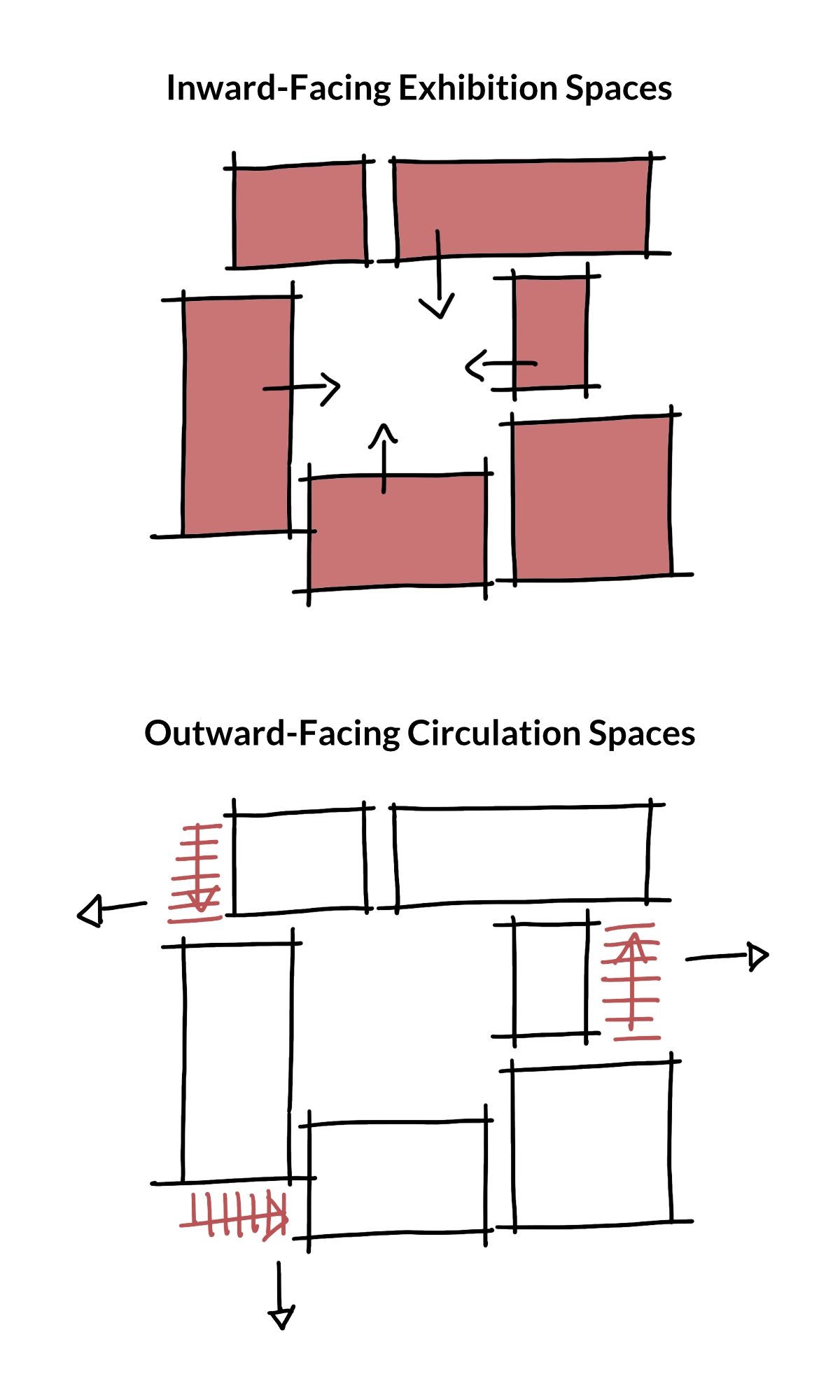
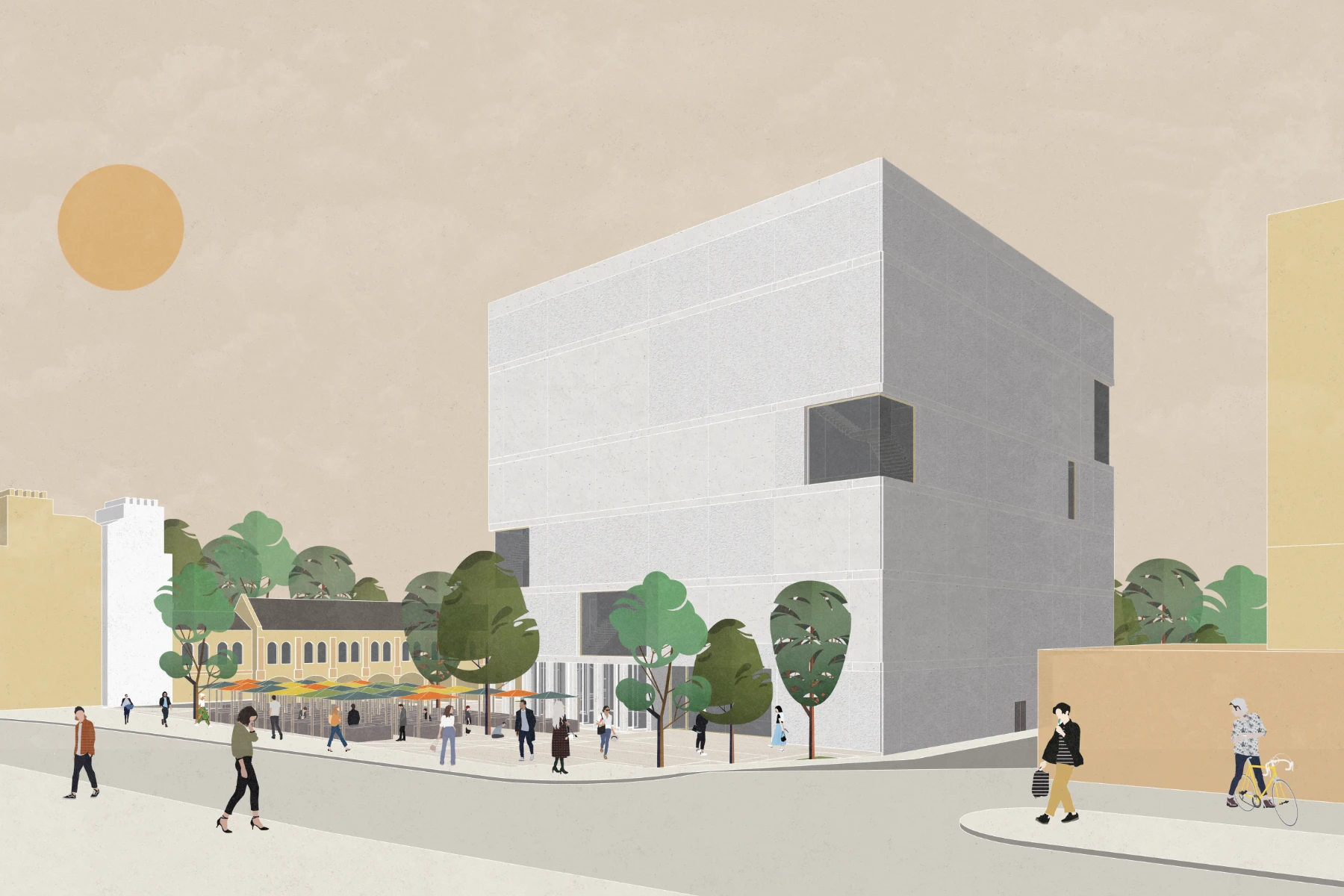
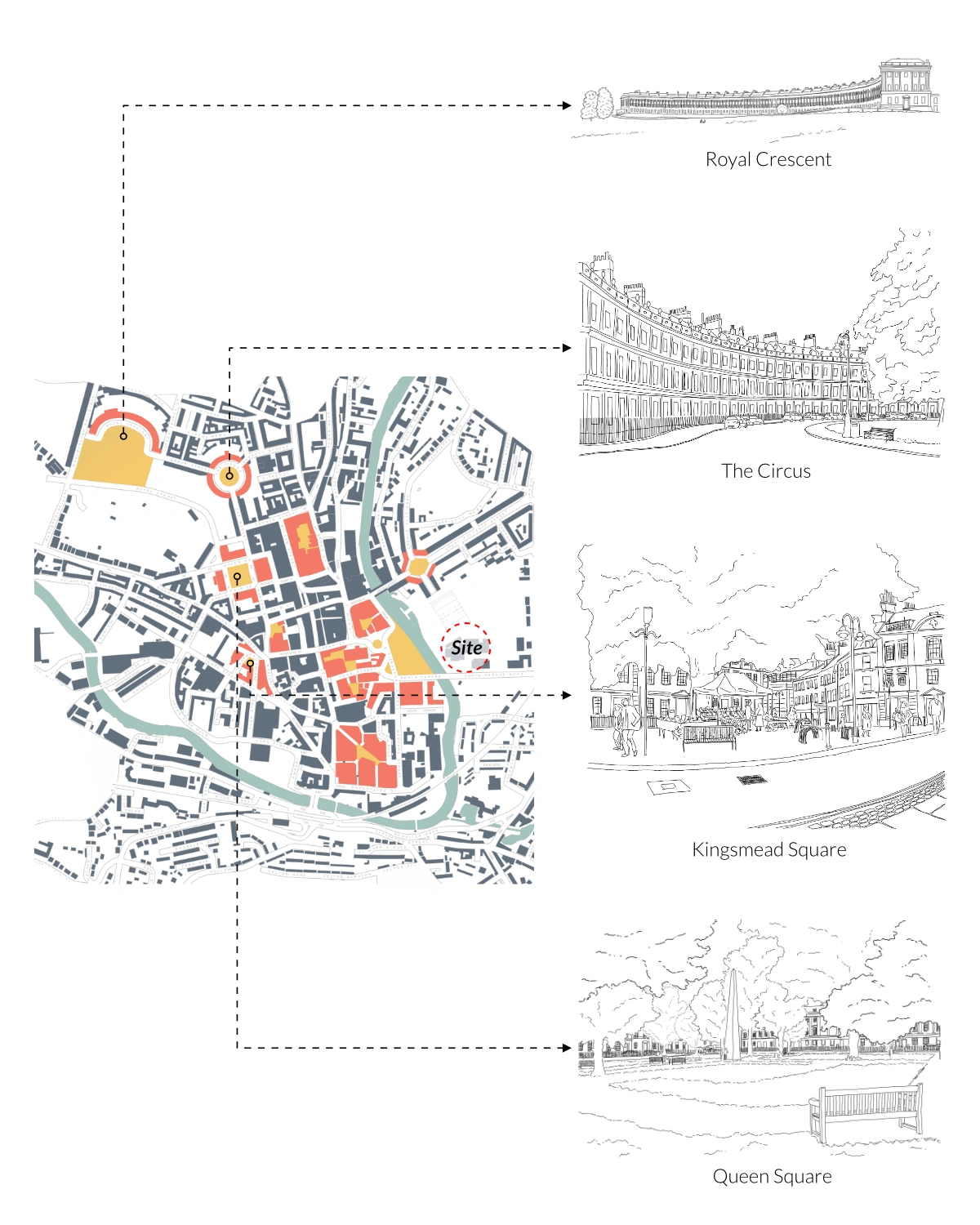
Rooted in the textures, rhythms and spatial character of Bath’s architecture, the design navigates between continuity and transformation, creating a cohesive yet contemporary extension of the city. Visitors move through a fluid sequence of exhibition spaces that echo Bath’s undulating topography, while carefully framed views establish a dialogue between the museum to its surroundings.

By questioning how people interact with museums and their context, this scheme creates a rich spatial experience which is contained within a singular form, providing a strong urban presence and sense of monumentality.

View More
6
Inter Tenere:
Bath Rugby Stadium Extension
Year 4

Inter Tenere reimagines Bath’s Rugby stadium as a year-round civic landmark, extending its impact beyond match days. Drawing inspiration from the city’s rich urban fabric, the scheme establishes new connections between the river, streets and Recreational Grounds, creating a distinctive public space framed by its surroundings.

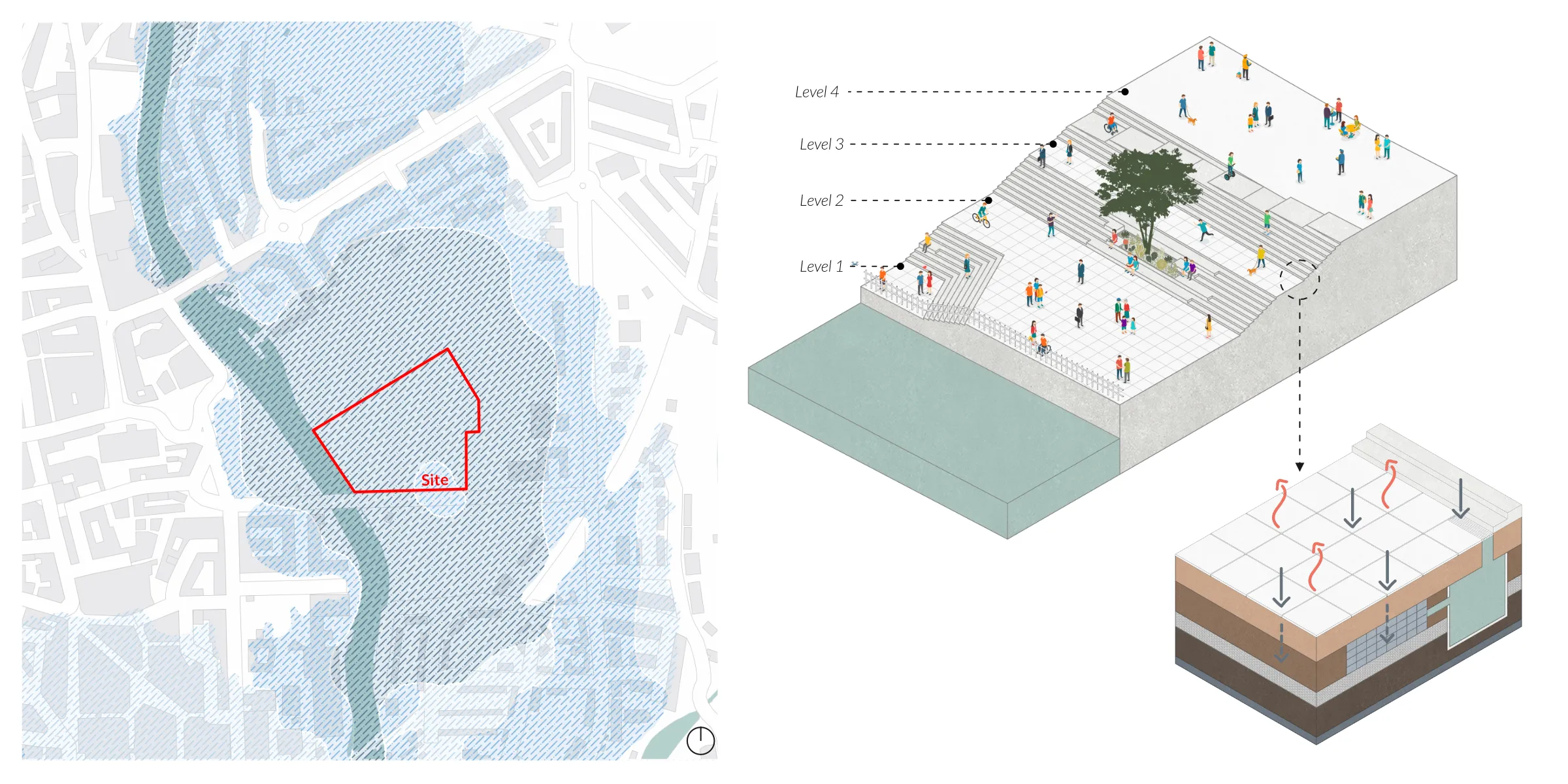
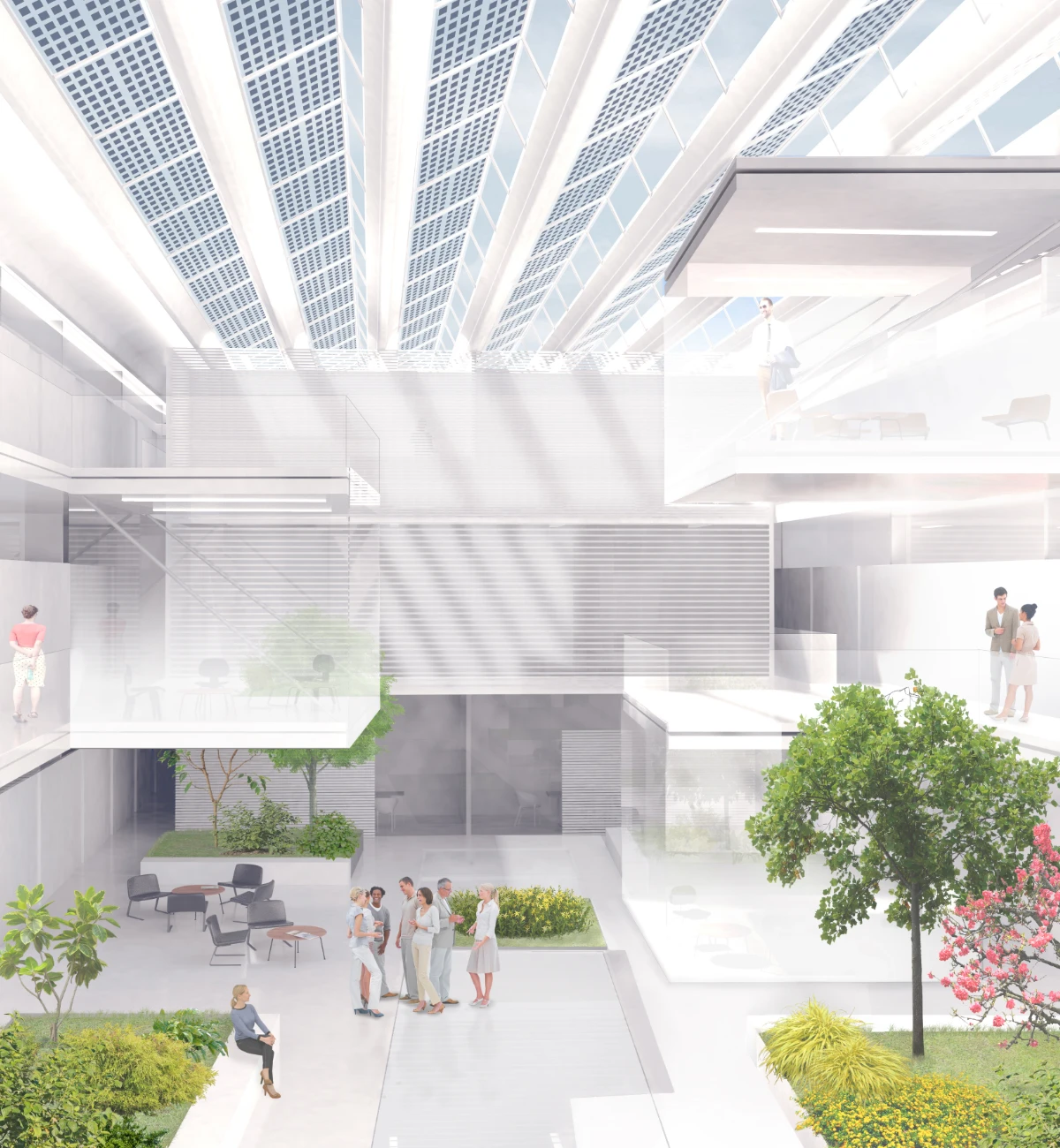
Designed collaboratively in a team of architecture and civil engineering students, the project emphasises accessibility and environmental responsiveness, incorporating a landscape strategy that responds to the site's high flood risk. Elevated above the ground plane, stepped levels gradually retain water during heavy rain, enabling the main stadium area to remain fully operational even during a 1-in-100-year flood. The dynamic space frame roof unifies the design, sheltering a versatile public space that transitions from a fan zone into a venue for markets, performances, and exhibitions —reinforcing Bath’s identity as a place for people to come together, entertain and be entertained.

Fieldwork and Practice

—hands-on experiences I gained alongside my academic studies, from empirical site research to professional practice.

Fieldwork and Practice

—hands-on experiences I gained alongside my academic studies, from empirical site research to professional practice.

7
Learning in Practice:
Professional Work Experiences

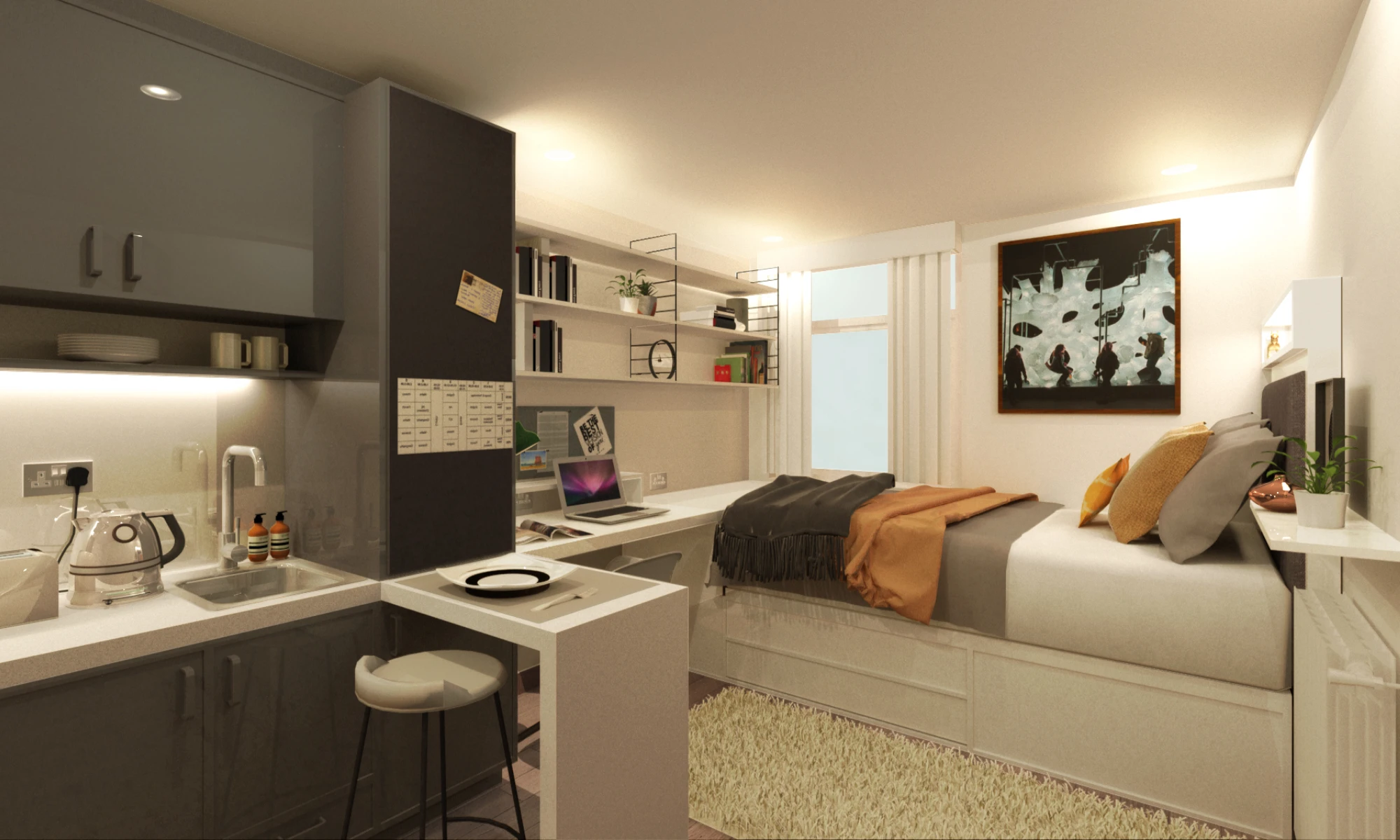
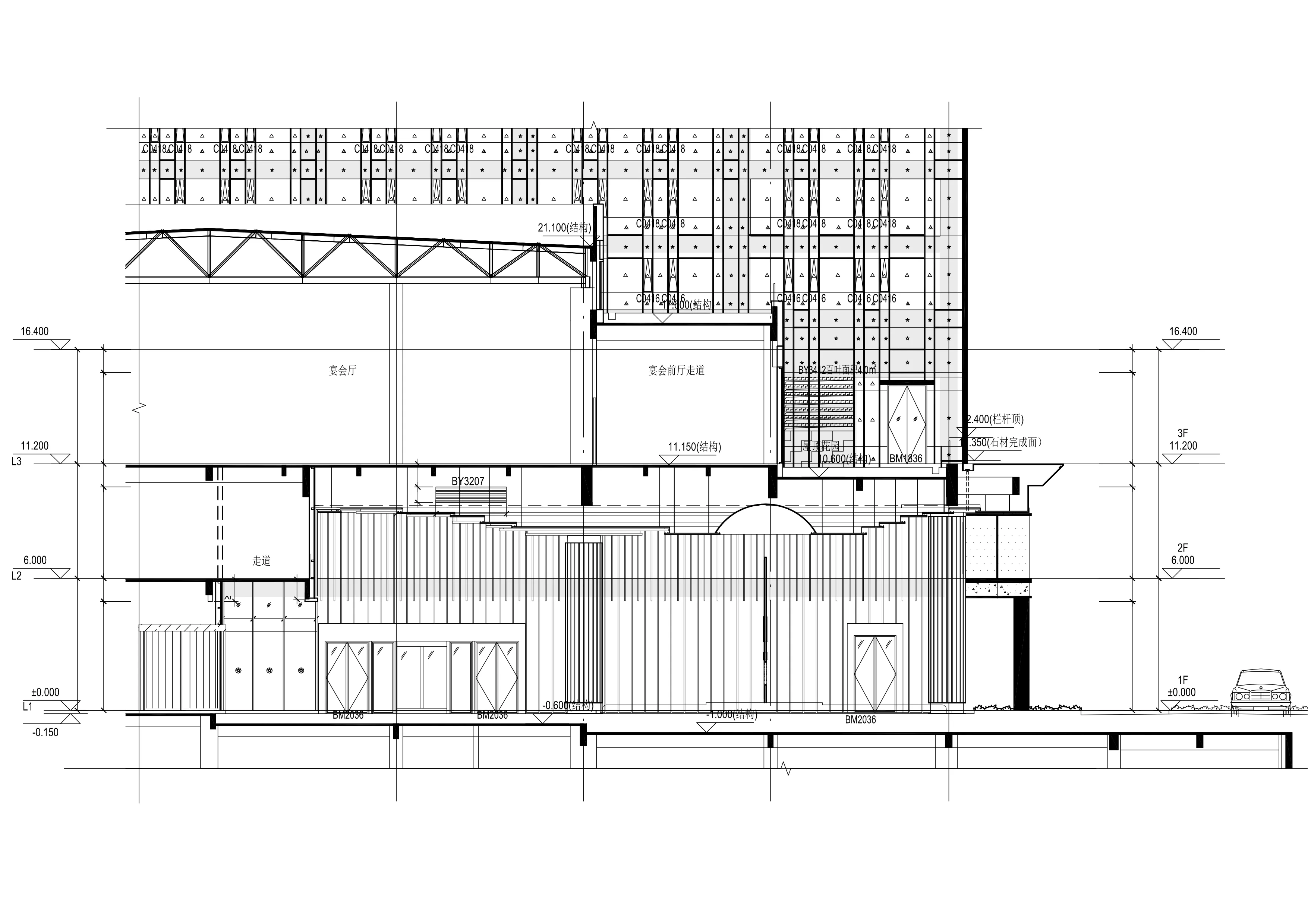
My work experiences—both during and after my undergraduate studies—have allowed me to engage with diverse professional environments, strengthening my adaptability, and ability to balance responsibilities while maintaining a high standard of work. Beyond technical and design tasks, I gained valuable experience through working within multidisciplinary teams, taking on roles that required both attention to detail and effective communication.

Through collaborating directly with international teams of consultants, contractors, and clients, I was able to further develop my ability to navigate cross-cultural settings, solve problems under pressure, and contribute meaningfully to project outcomes. These experiences have deepened my understanding of architecture as both a creative and strategic discipline, and I am excited to continue learning, and taking on new challenges in practice.

8
Engaging with Place:
Empirical Explorations in Rural China
Year 4

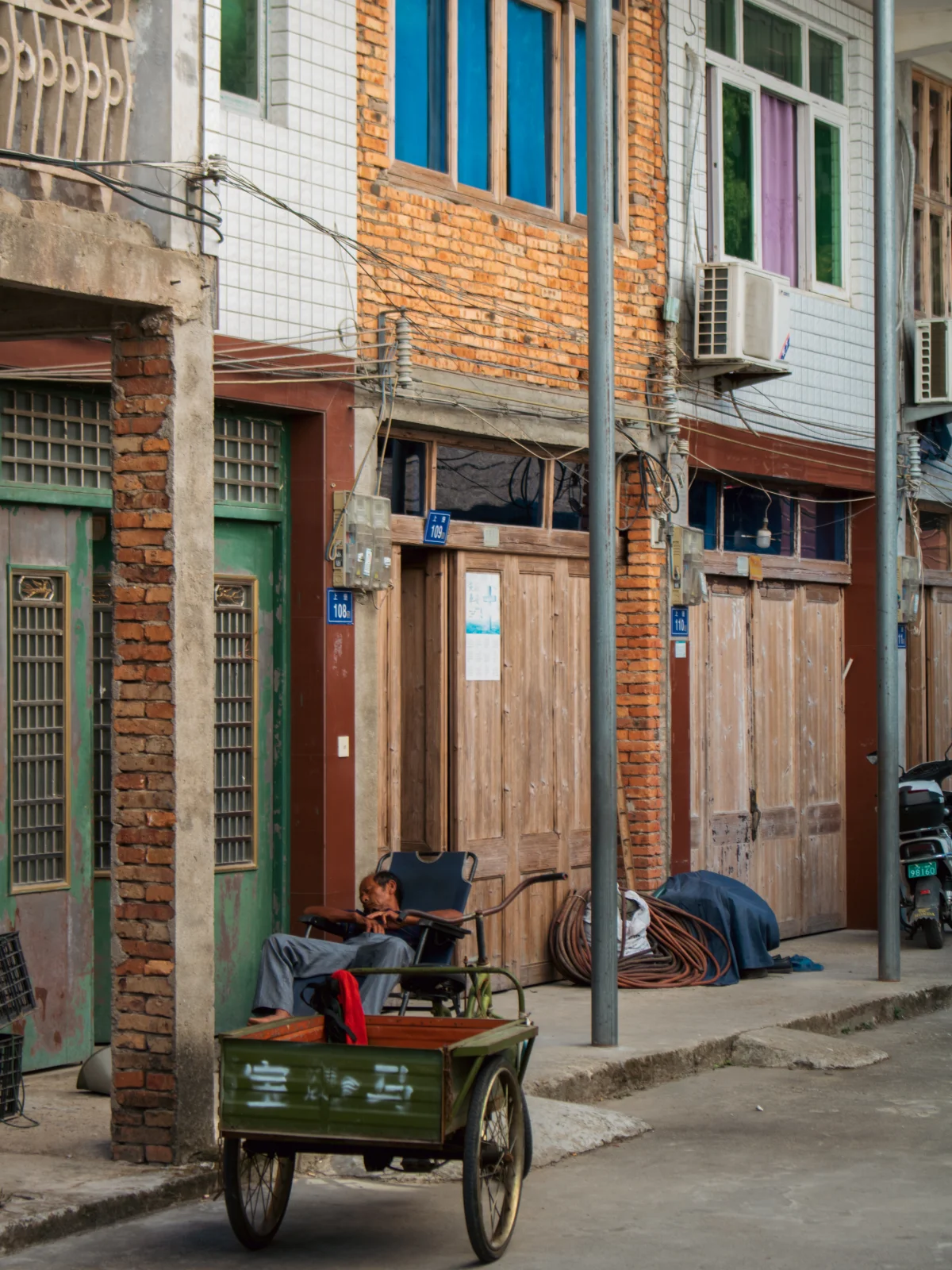
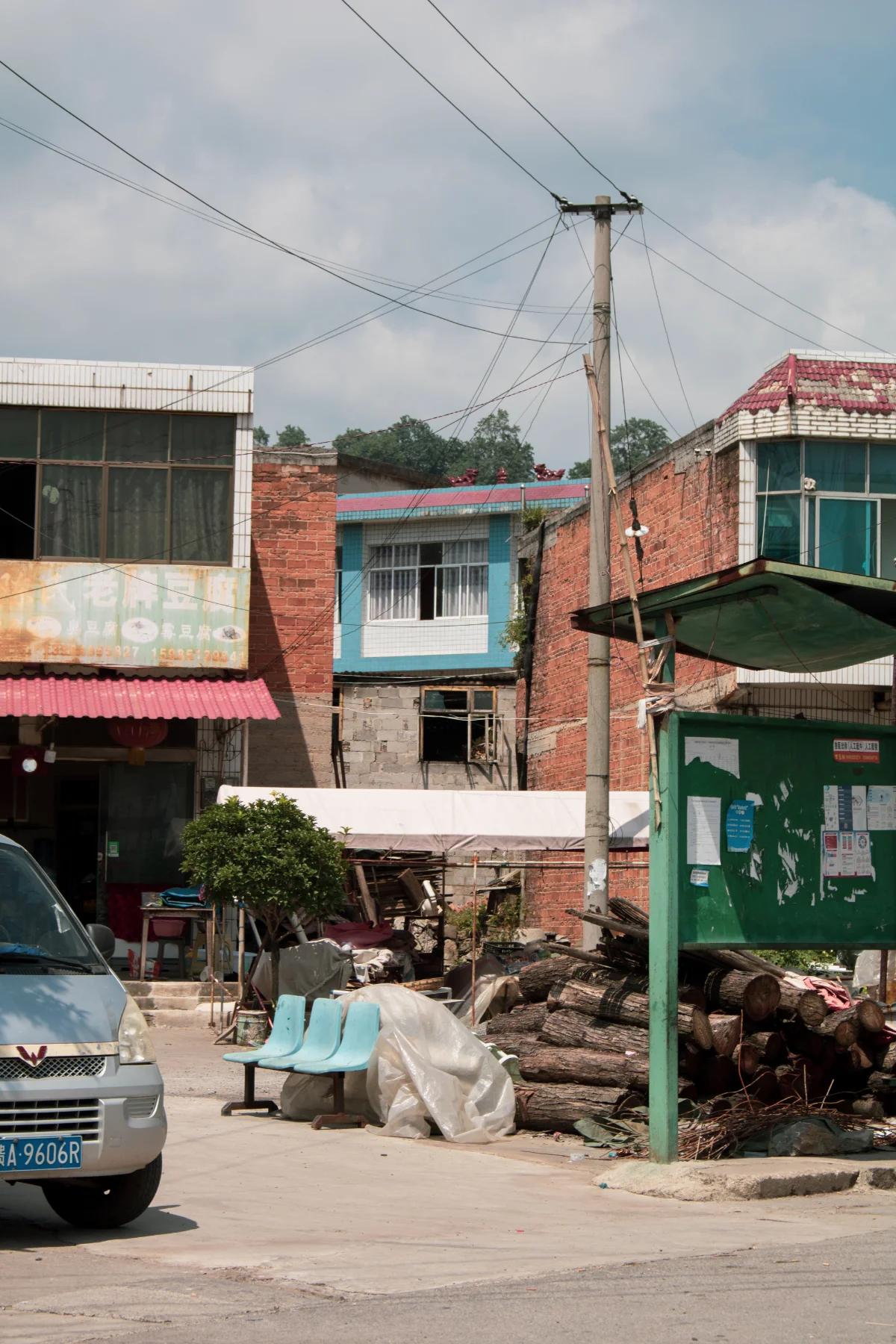
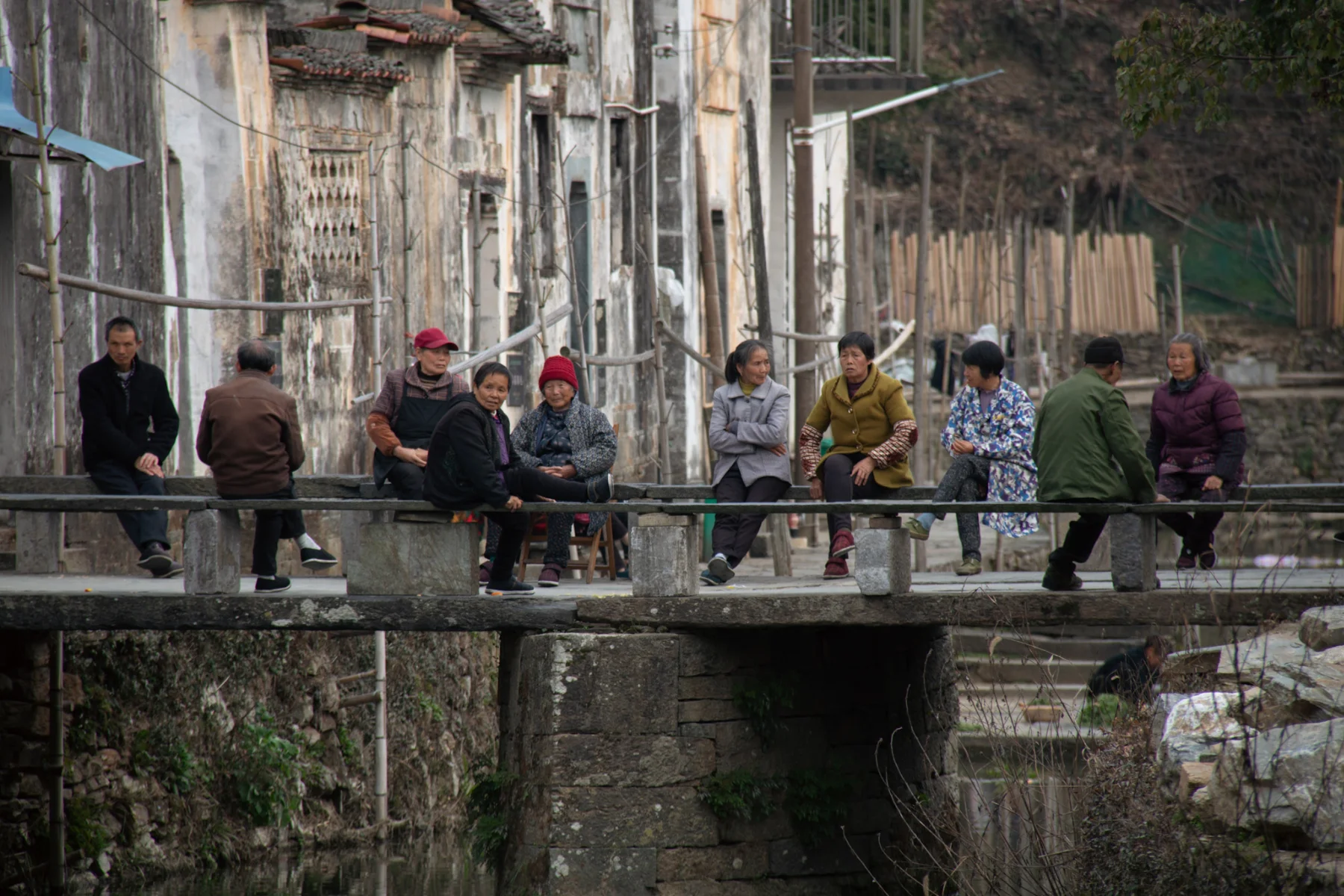
Alongside my master’s thesis, my work and research over two years centred on rural environments in China, encompassing on-site studies and collaborative projects with local governments and communities. Apart from contributing to exhibitions, events, and site-based activities, a significant part of my work also involved prolonged stays in rural areas, where I conducted preliminary studies and assessed project feasibility through lived realities rather than imposed frameworks. Having grown up exclusively in cities, this experience exposed me to vastly different environments.

Engaging closely with local villagers and authorities, I gained a deeper understanding of project frameworks in context, responding to real-life constraints such as limited funding, resources, and labour skills. During this time, photography became my key medium for observing and reflecting on spatial and sociocultural conditions, capturing the nuances of everyday life and the existing built environment.

Selected Works

Explorations

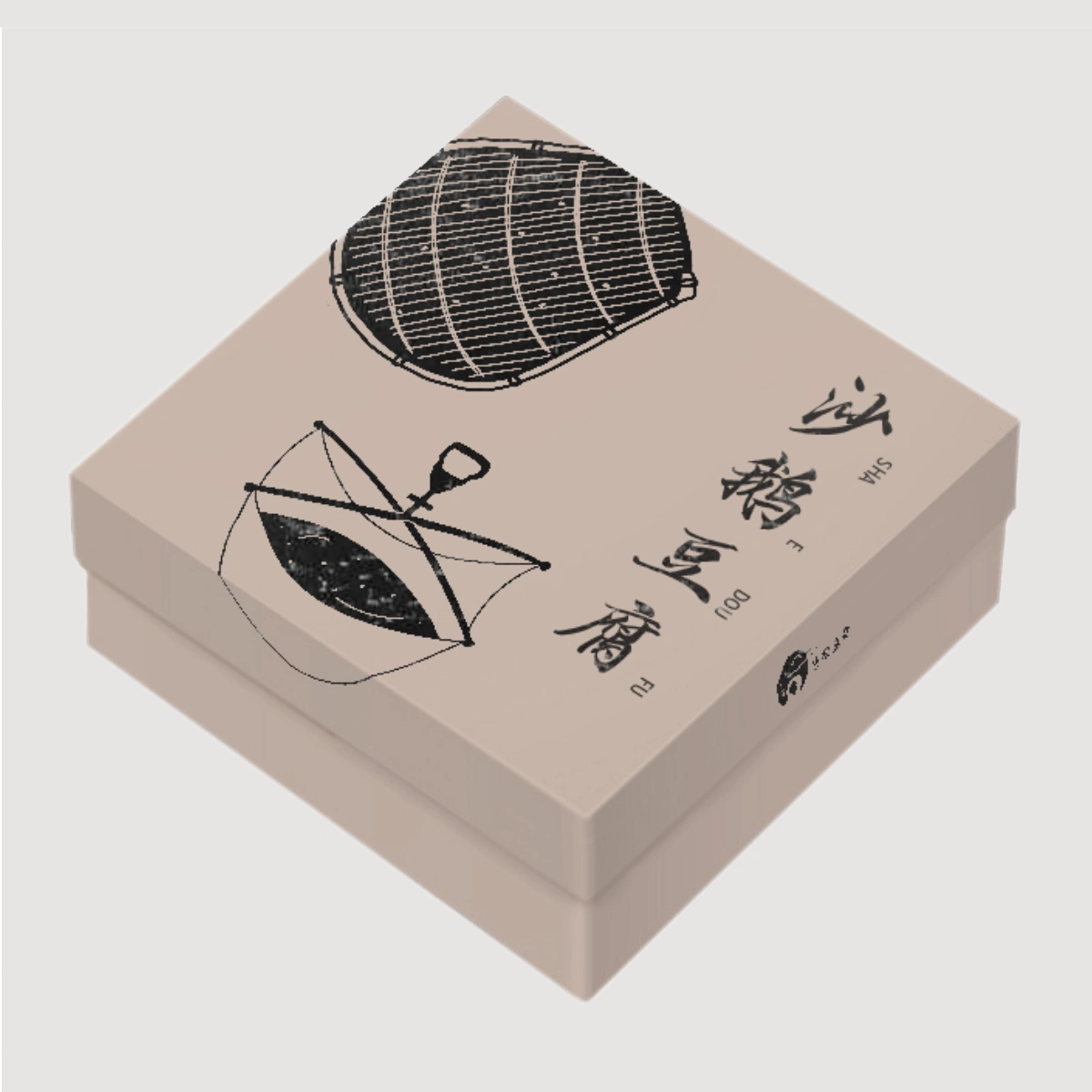
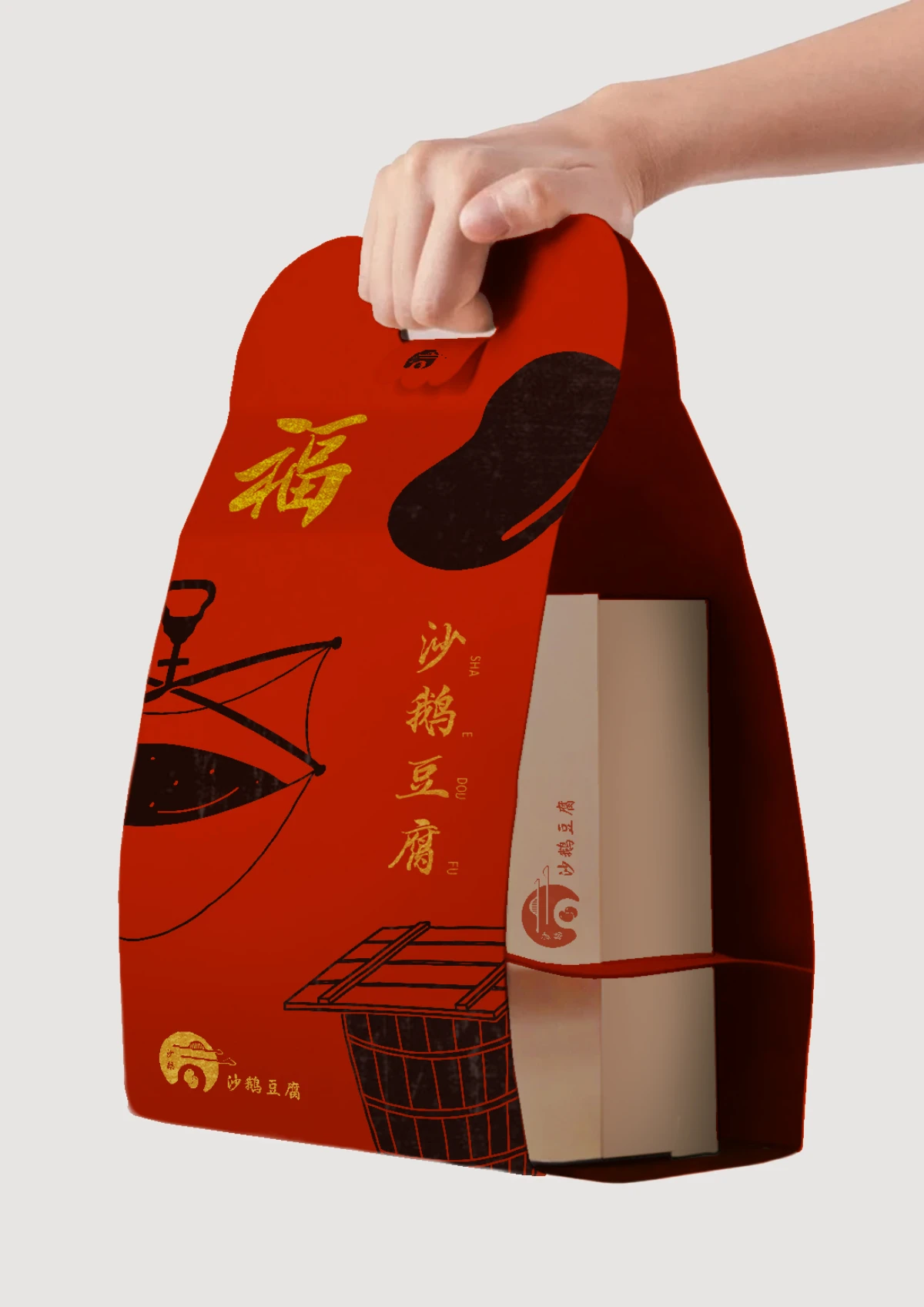
I have always enjoyed exploring design through a variety of approaches and techniques. While collaborating with local communities in China's rural areas, I had the opportunity to work across different creative mediums—developing packaging, logo, and poster designs to support agricultural initiatives and public events. These creative side projects opened up new ways of engagement with place, using visual storytelling to express local identity and inspire design ideas.

I have always enjoyed exploring design through a variety of approaches and techniques. While collaborating with local communities in China's rural areas, I had the opportunity to work across different creative mediums—developing packaging, logo, and poster designs to support agricultural initiatives and public events. These creative side projects opened up new ways of engagement with place, using visual storytelling to express local identity and inspire design ideas.

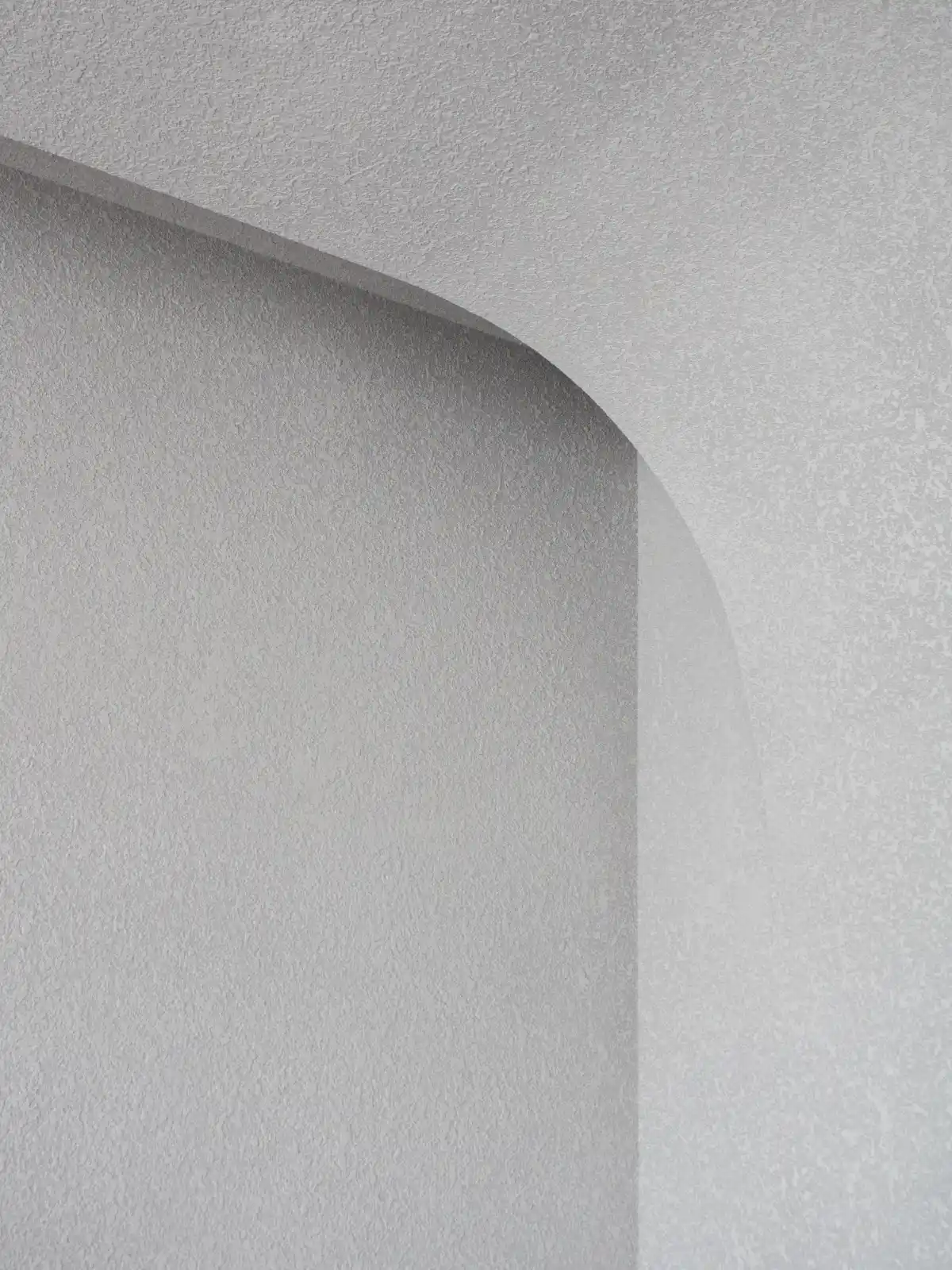
Architecture and Space

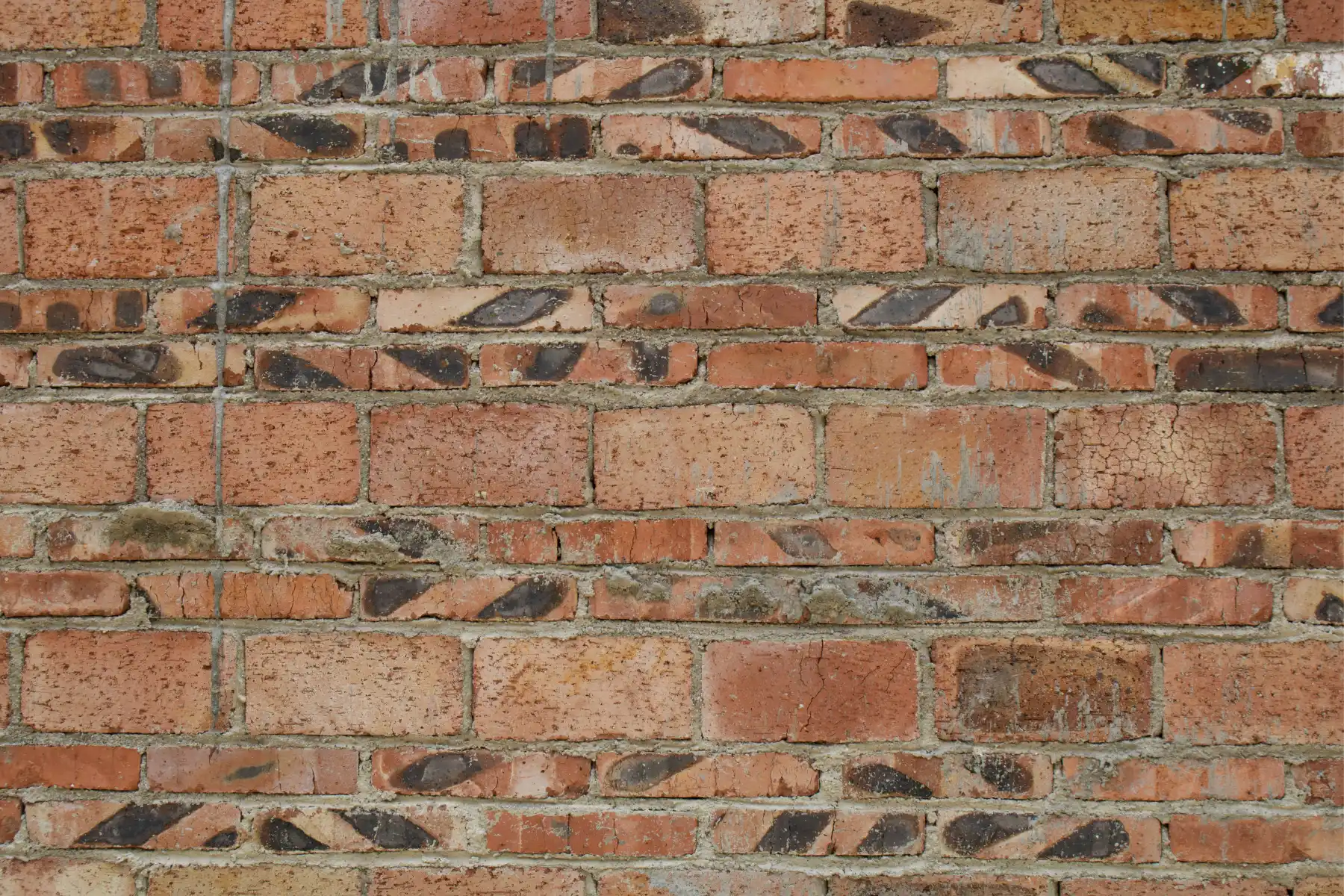
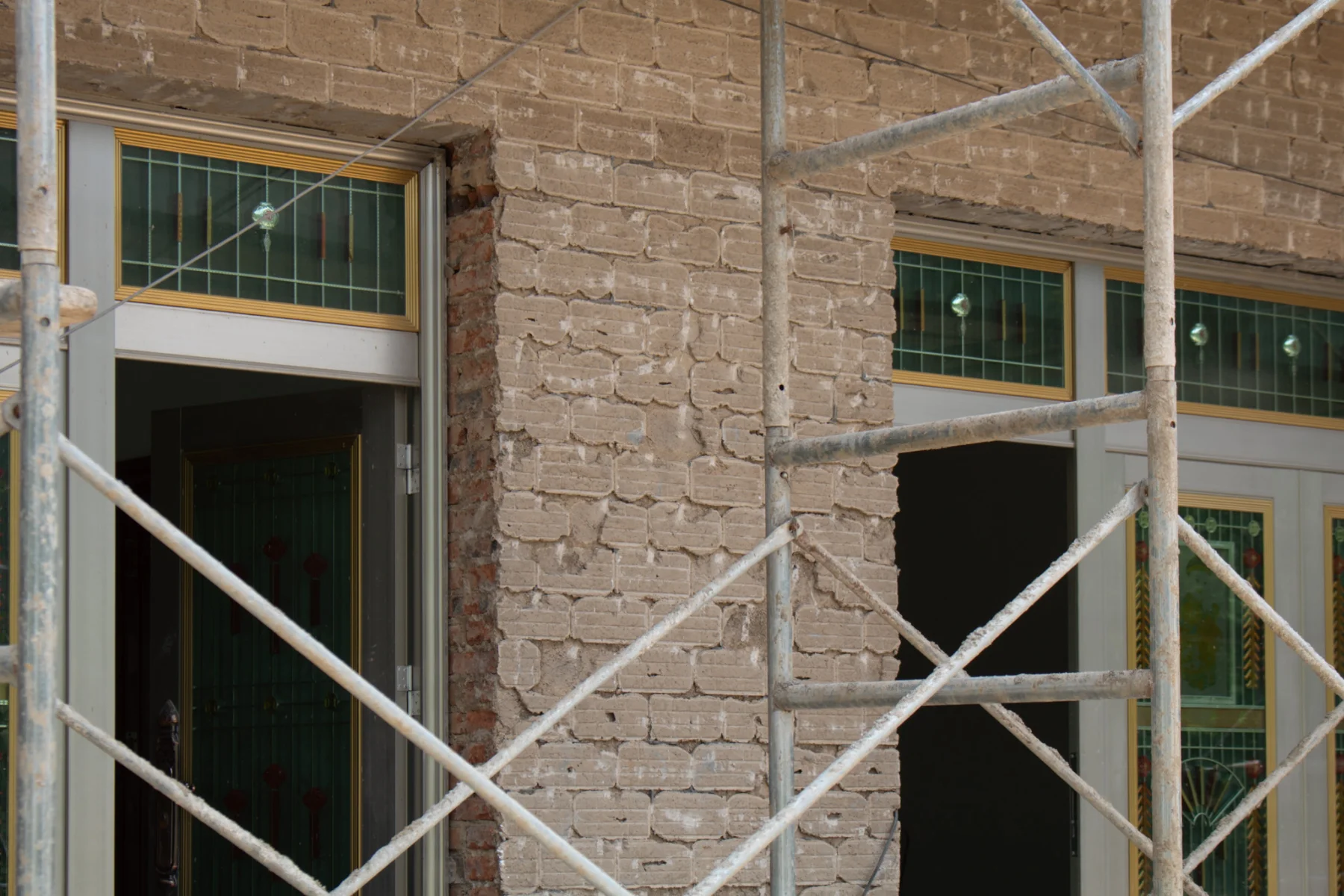
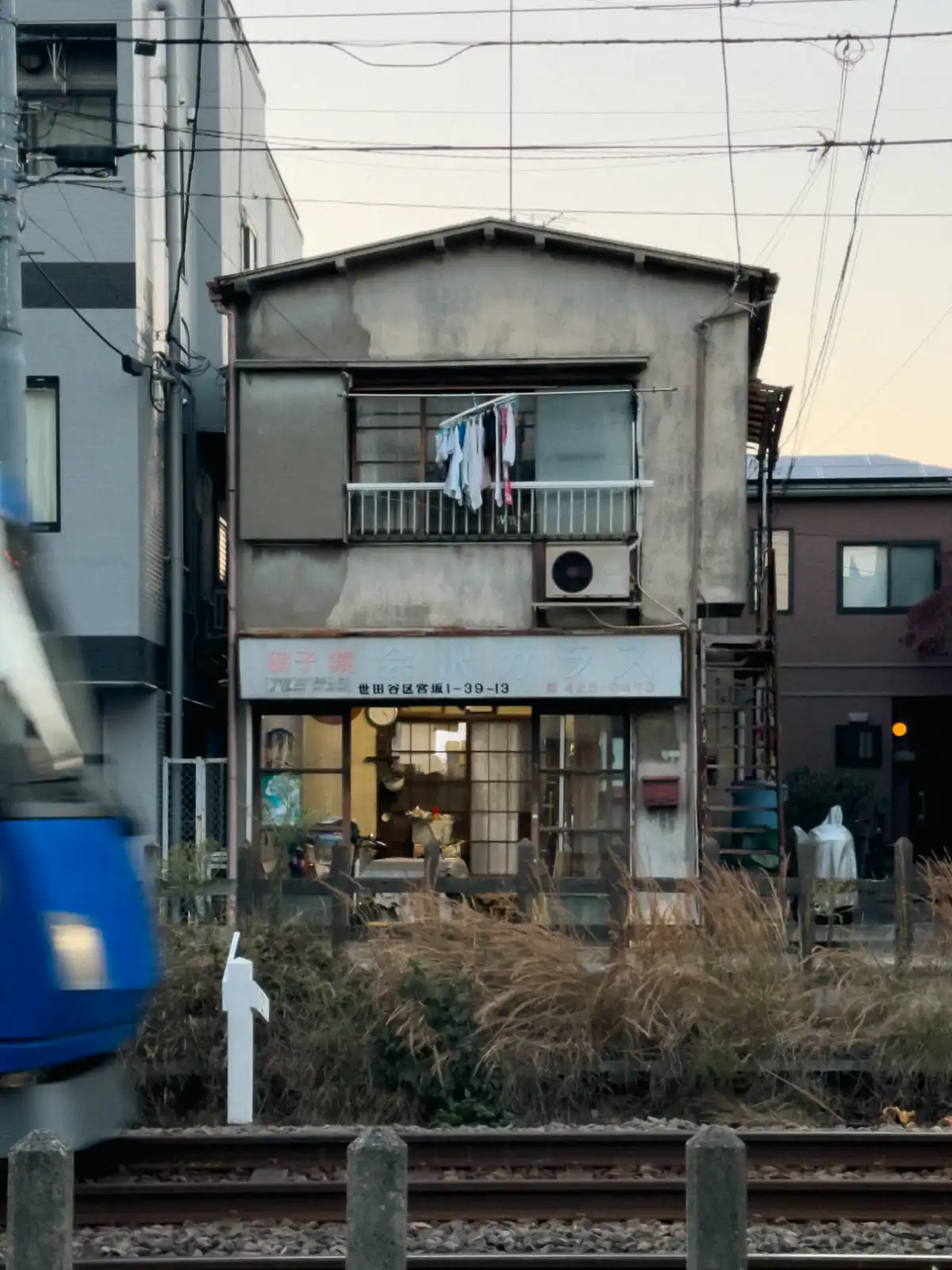
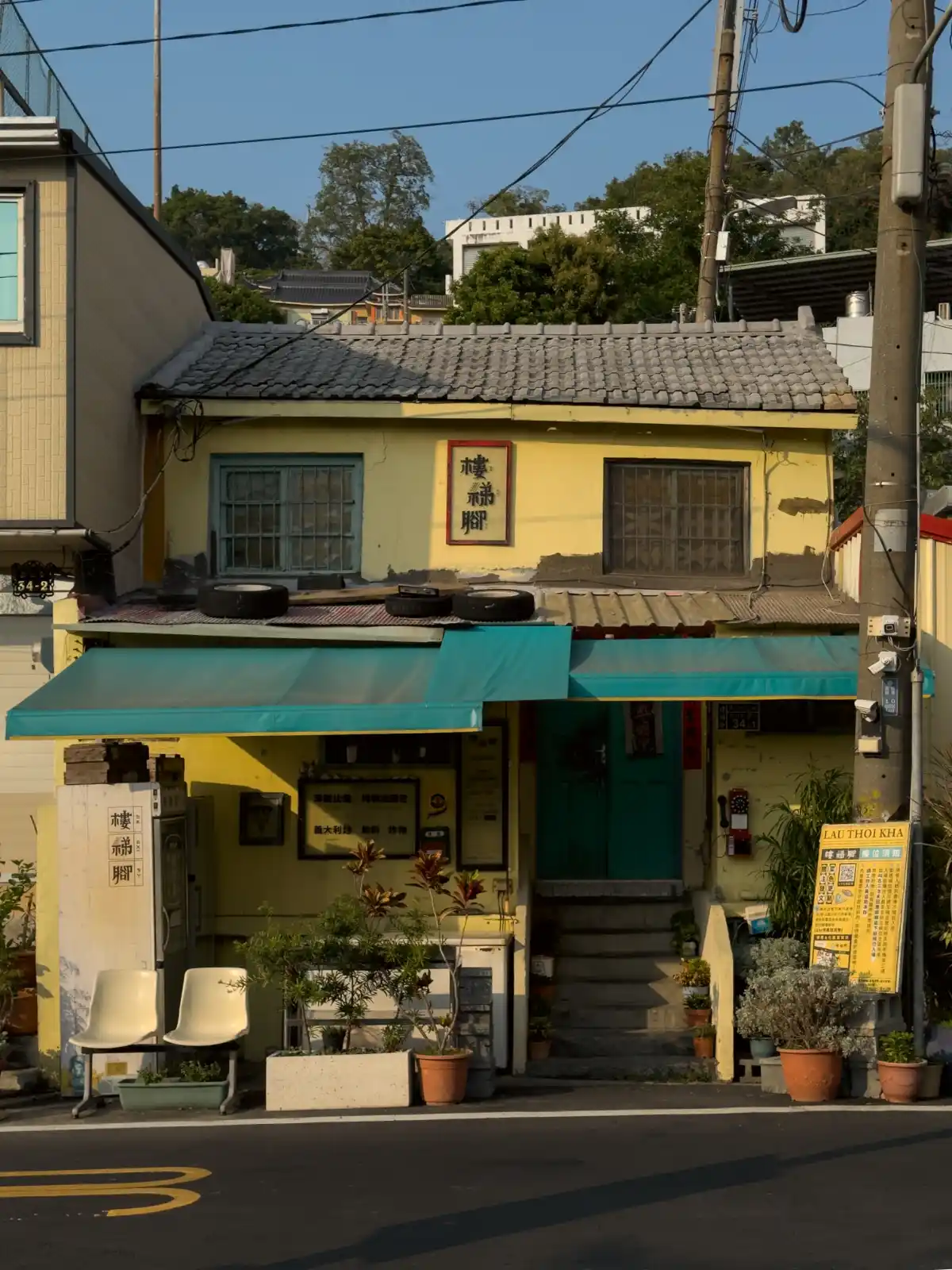
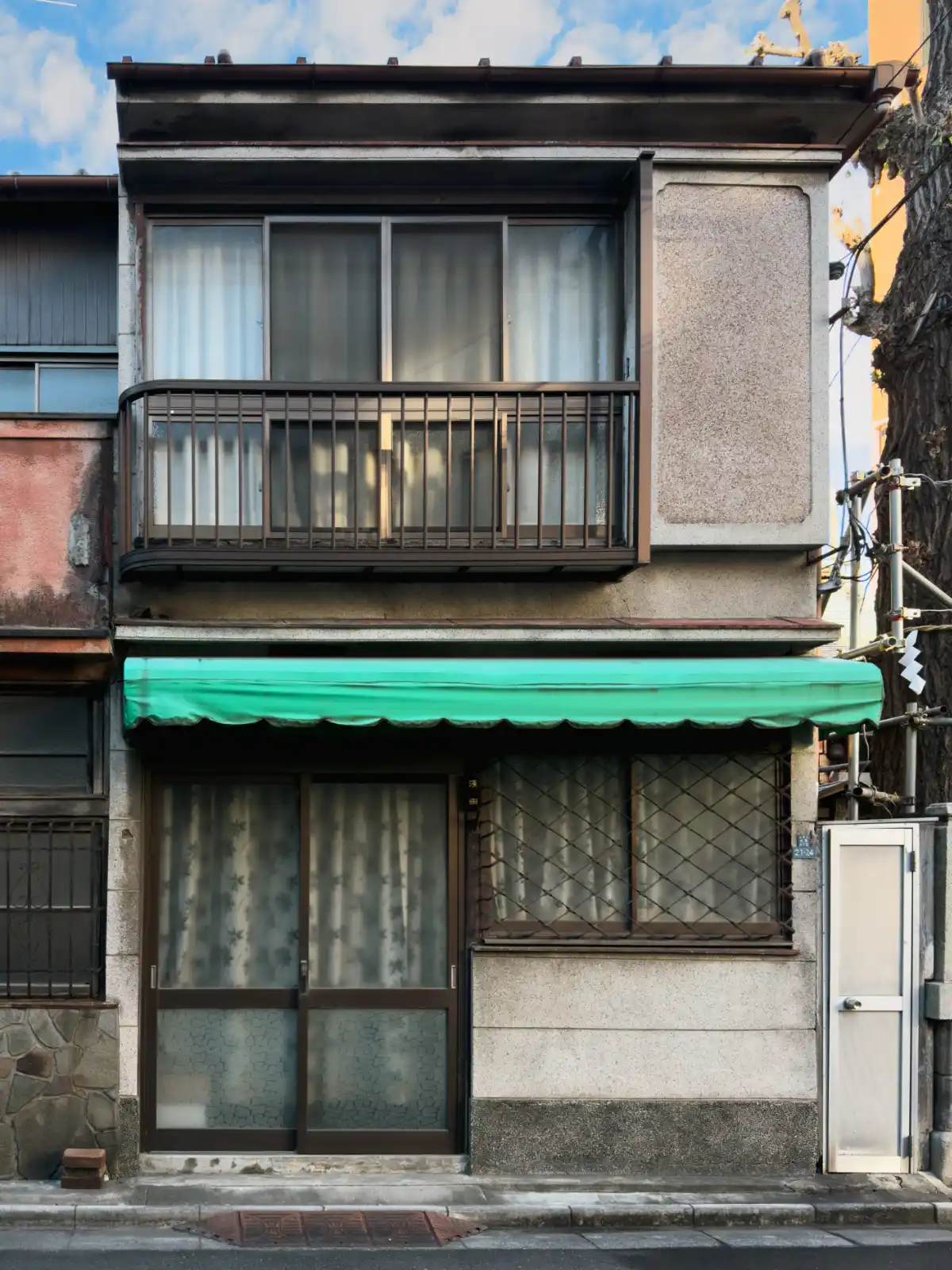
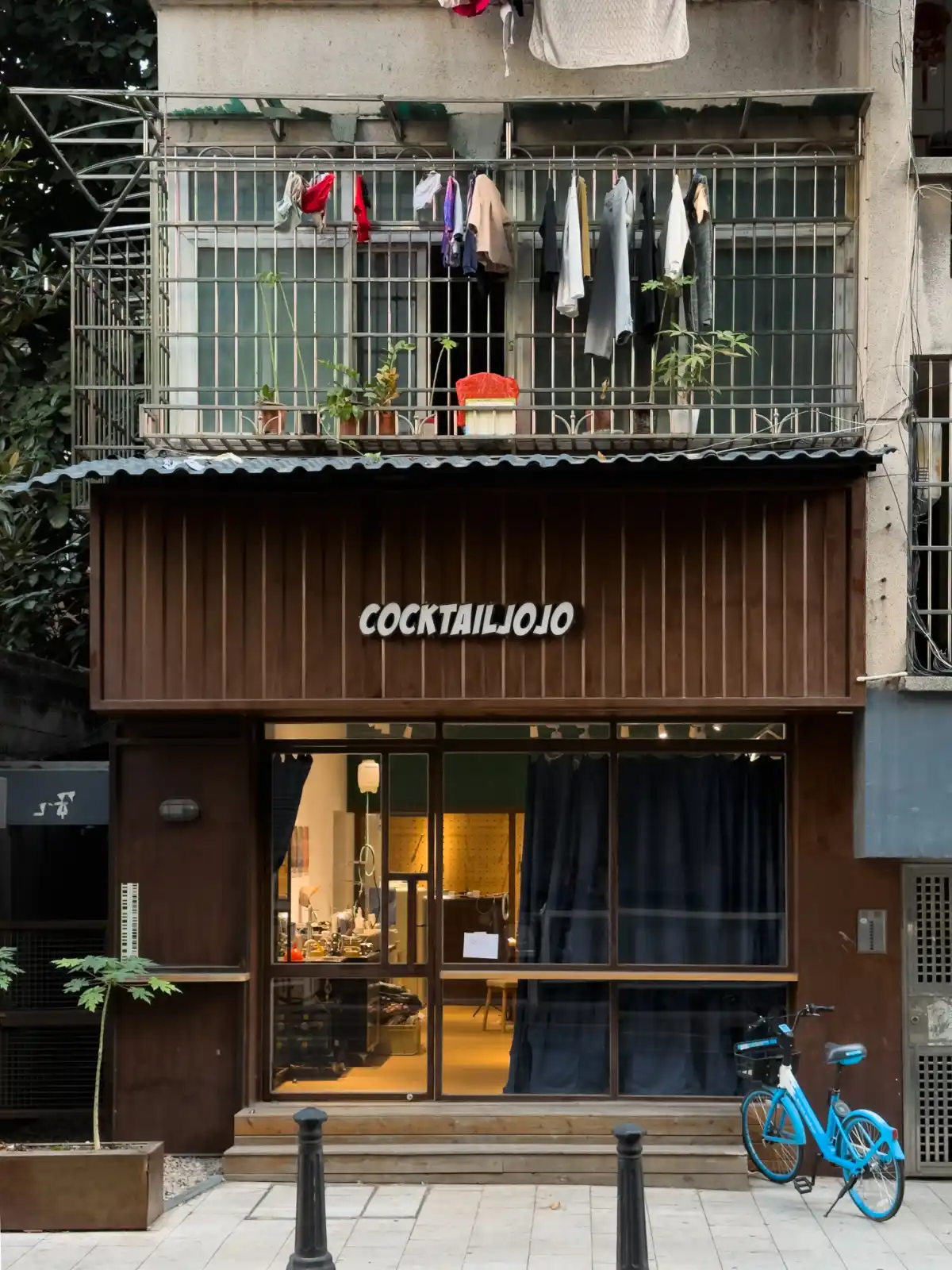
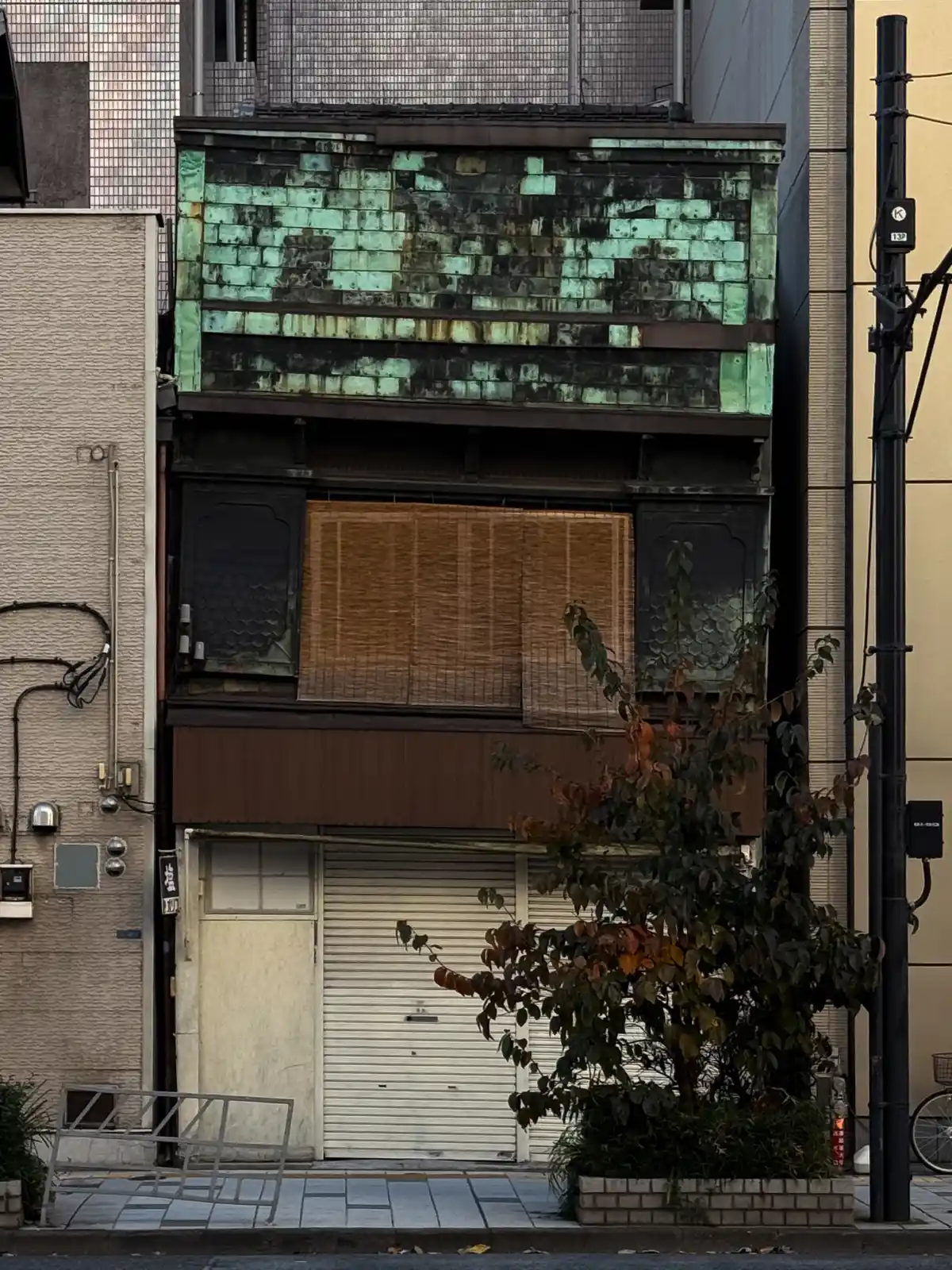
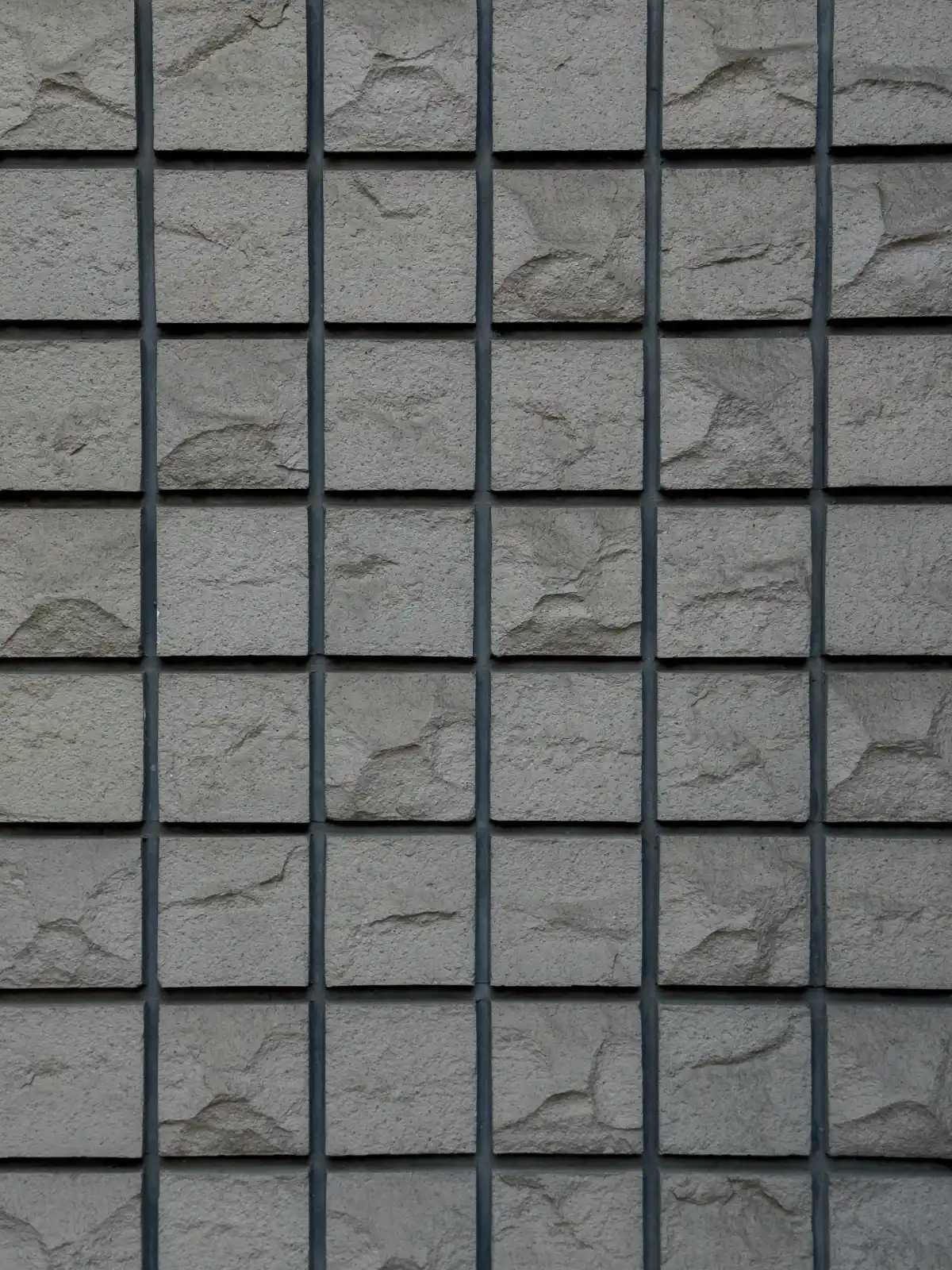
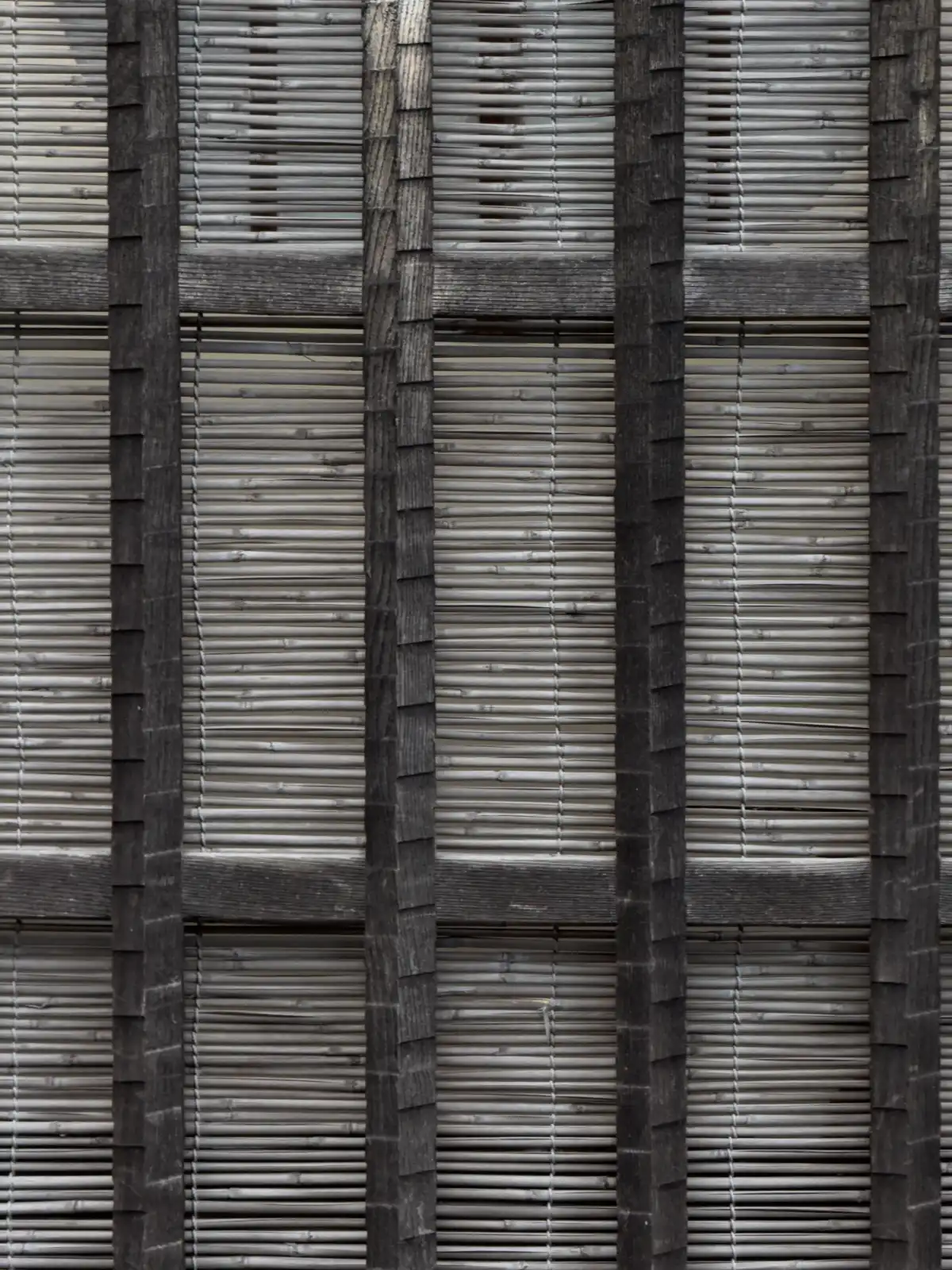
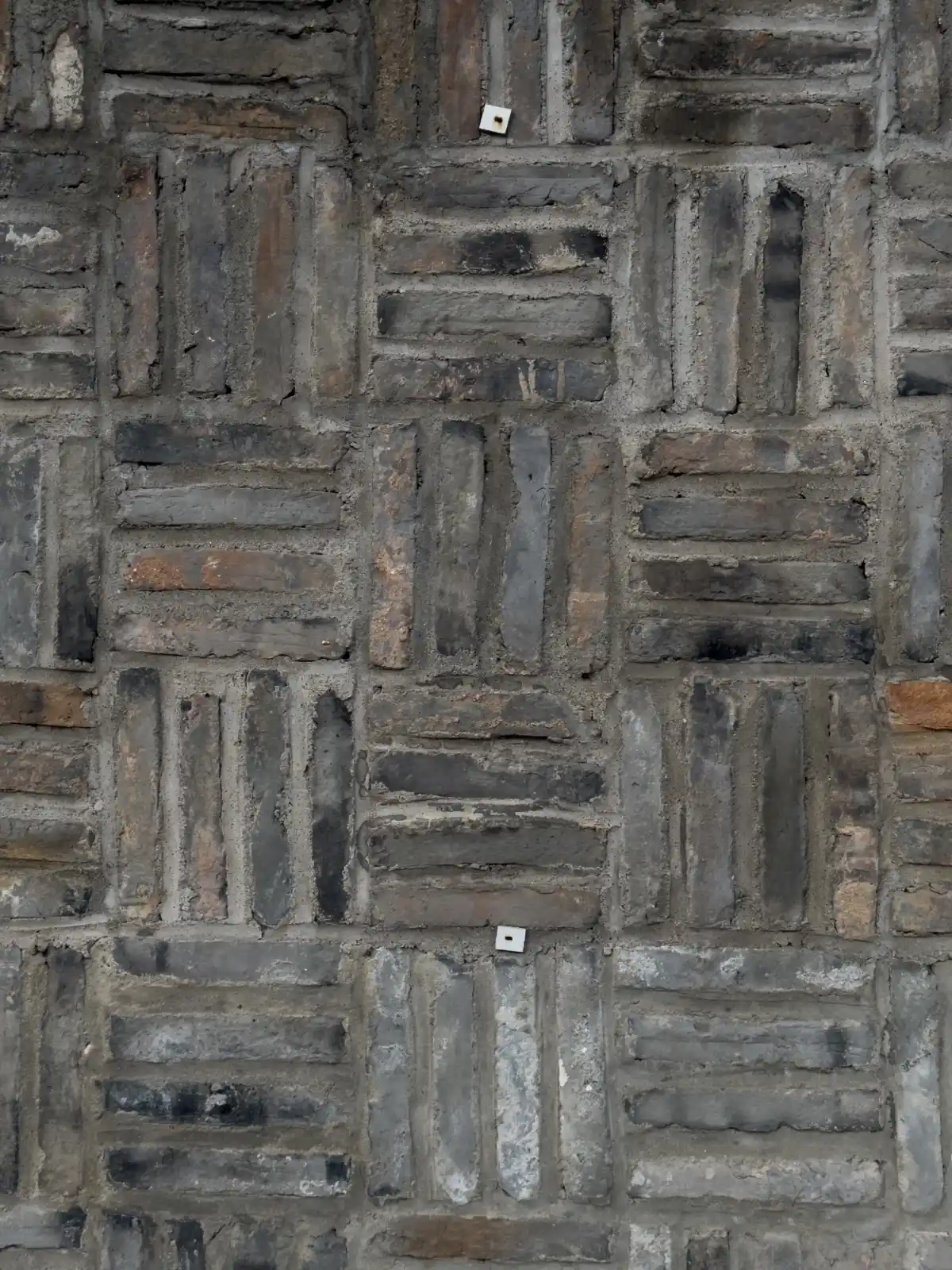
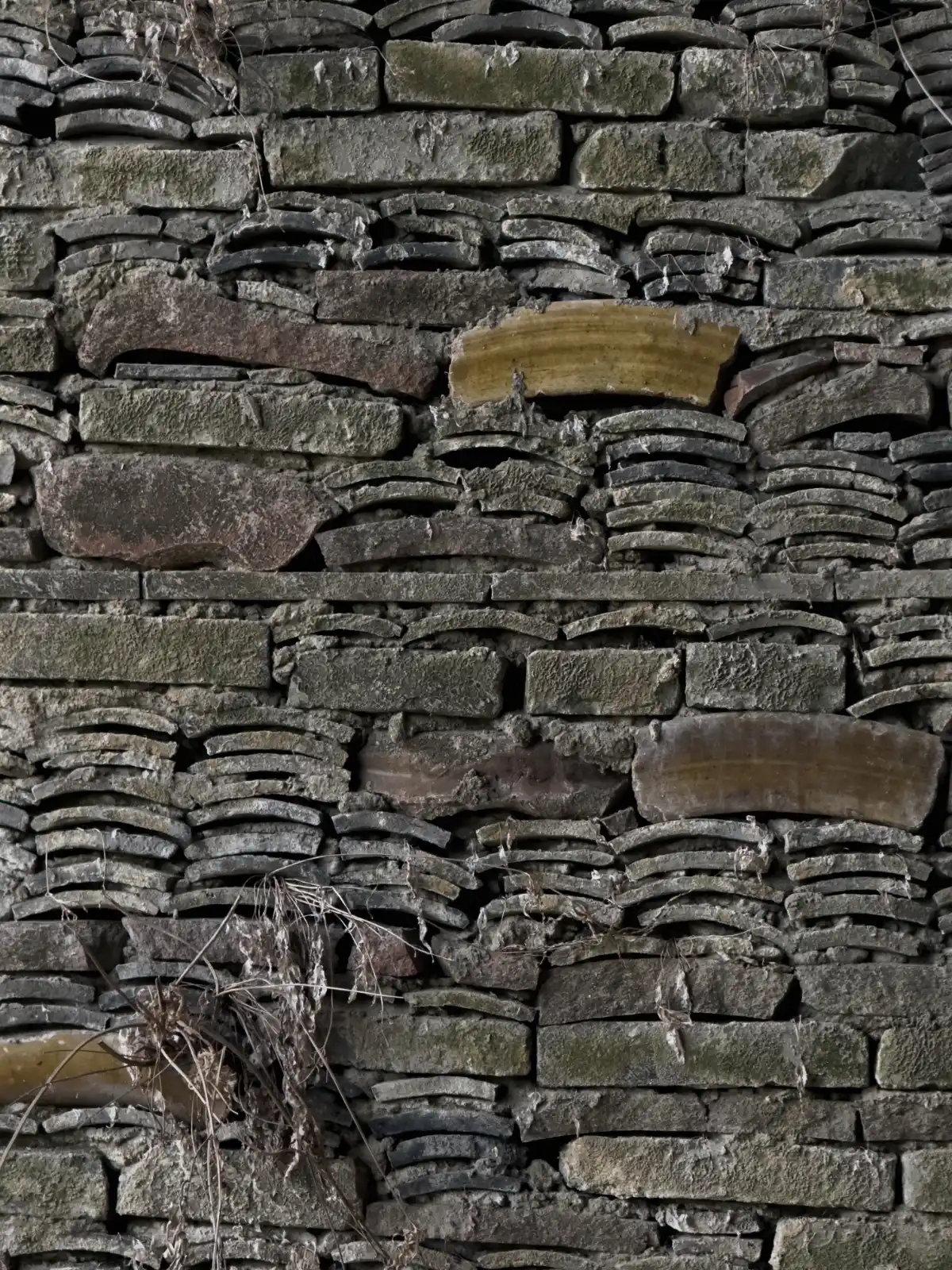
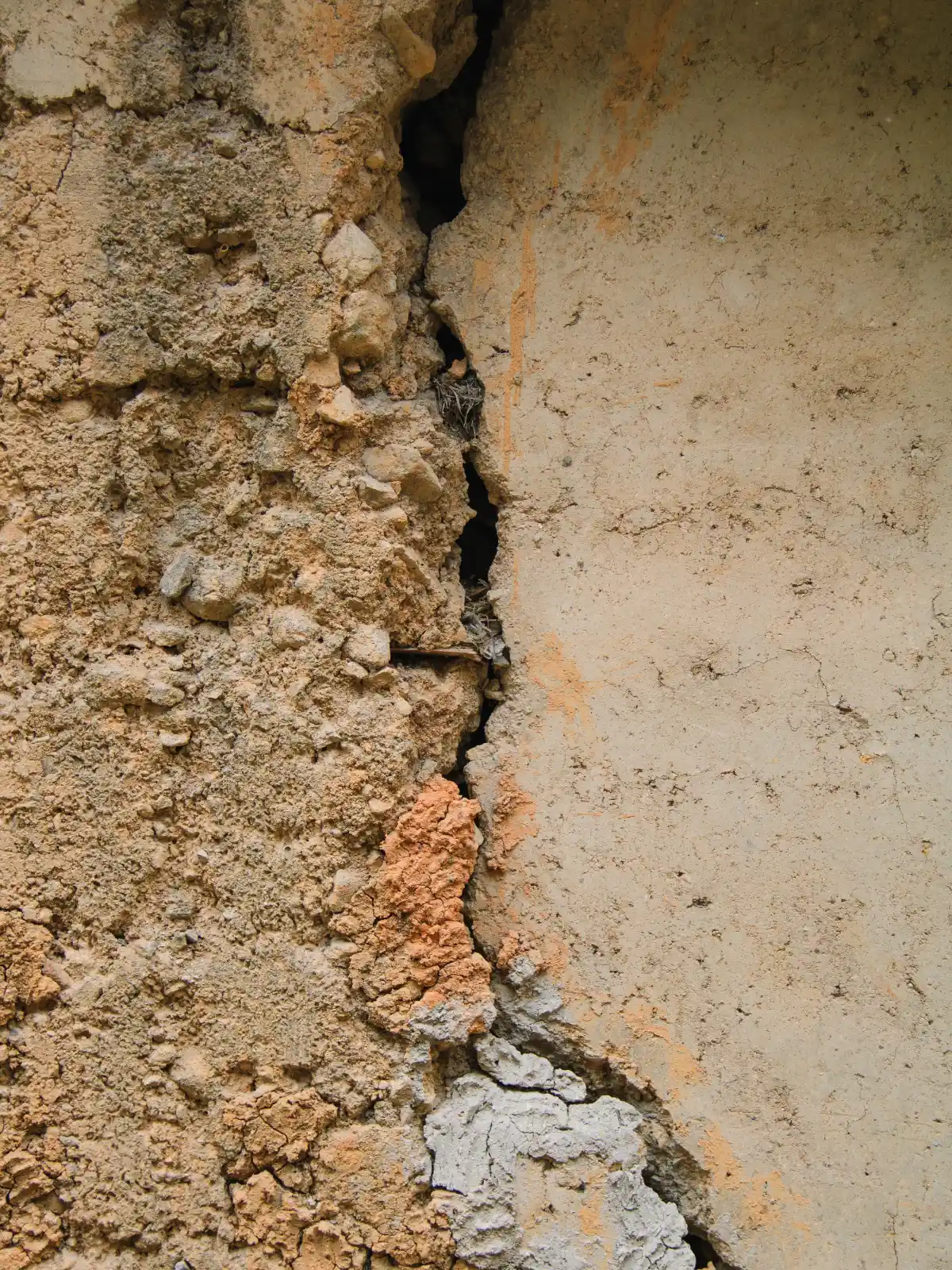
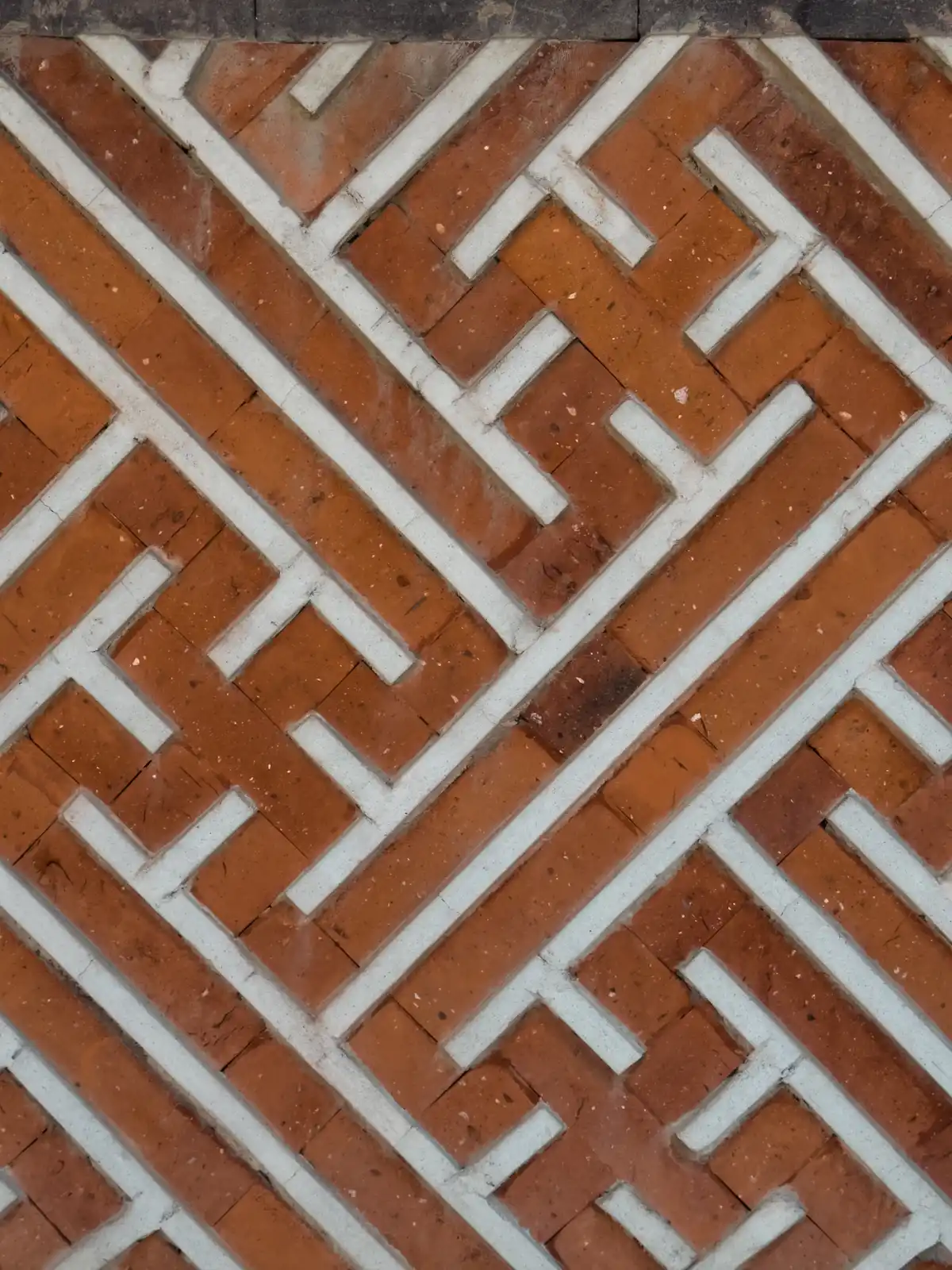
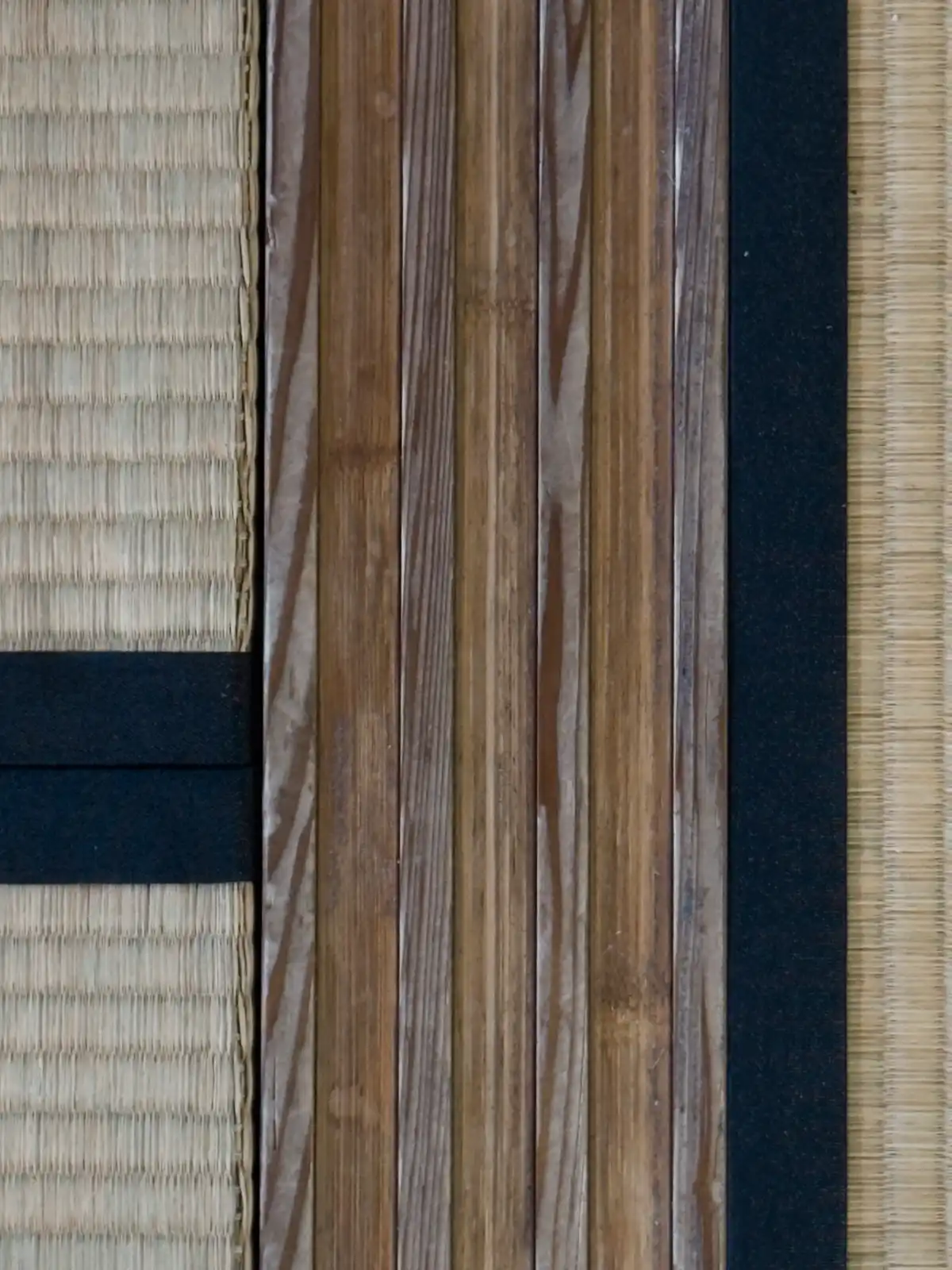
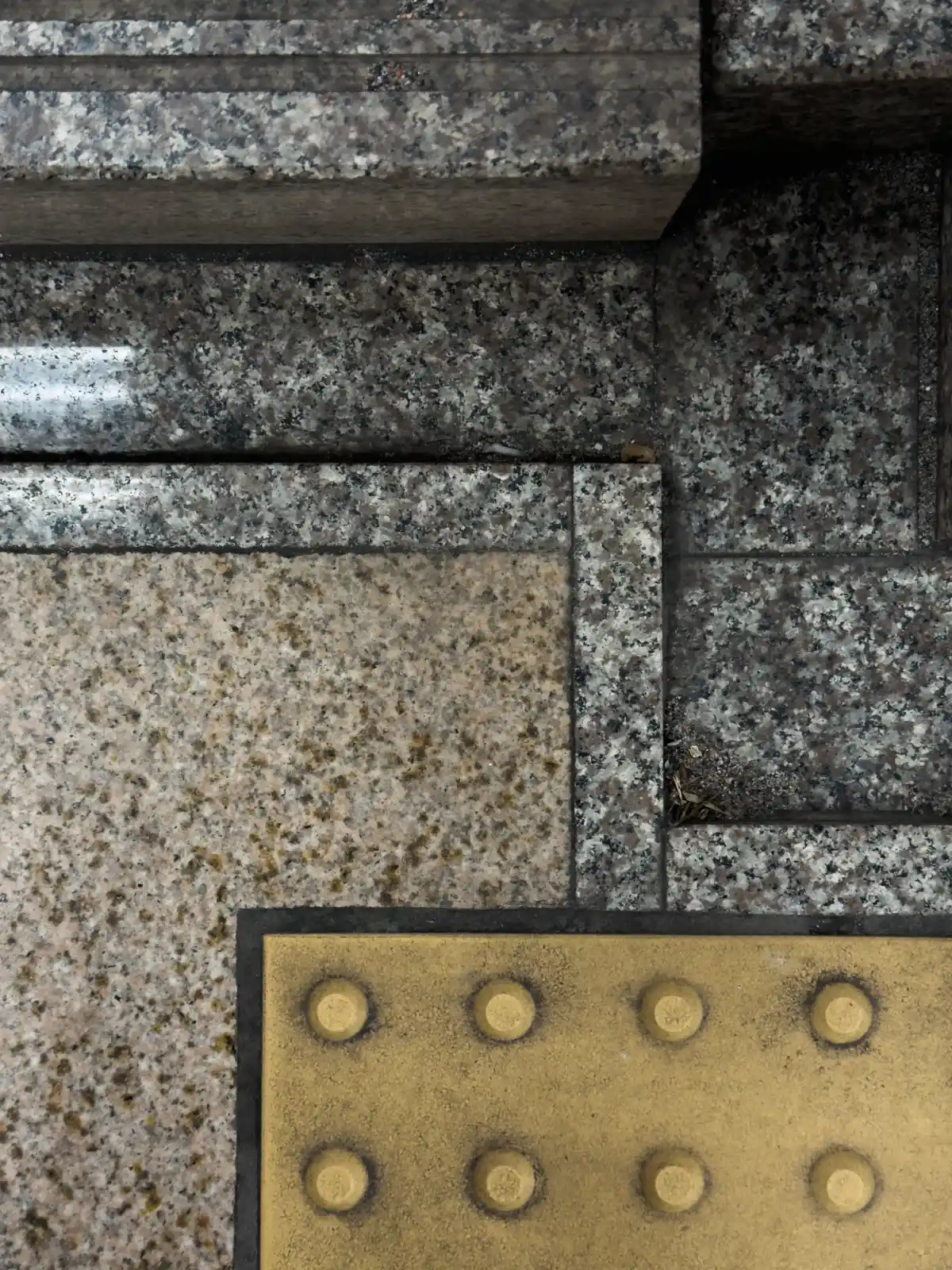
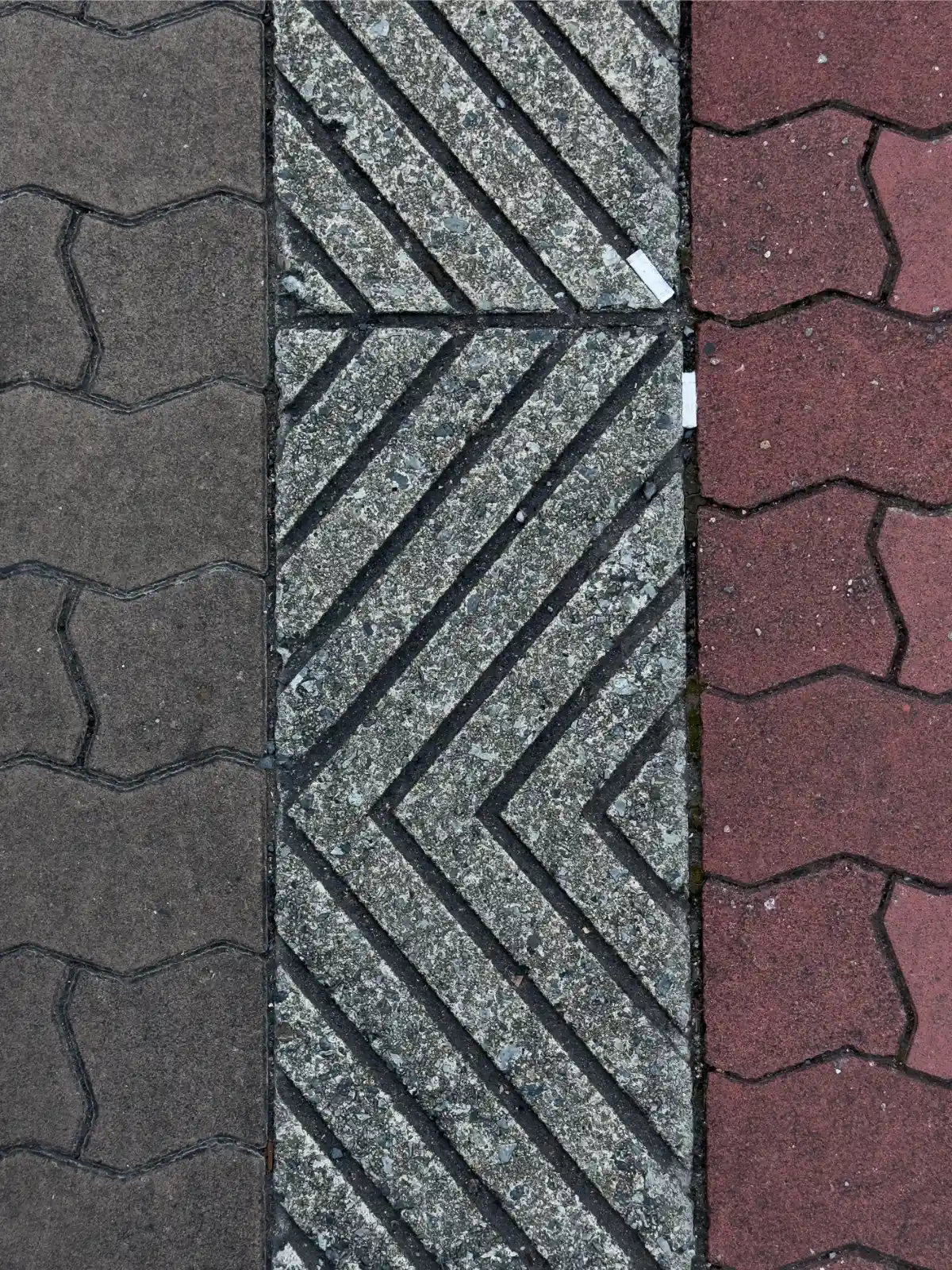
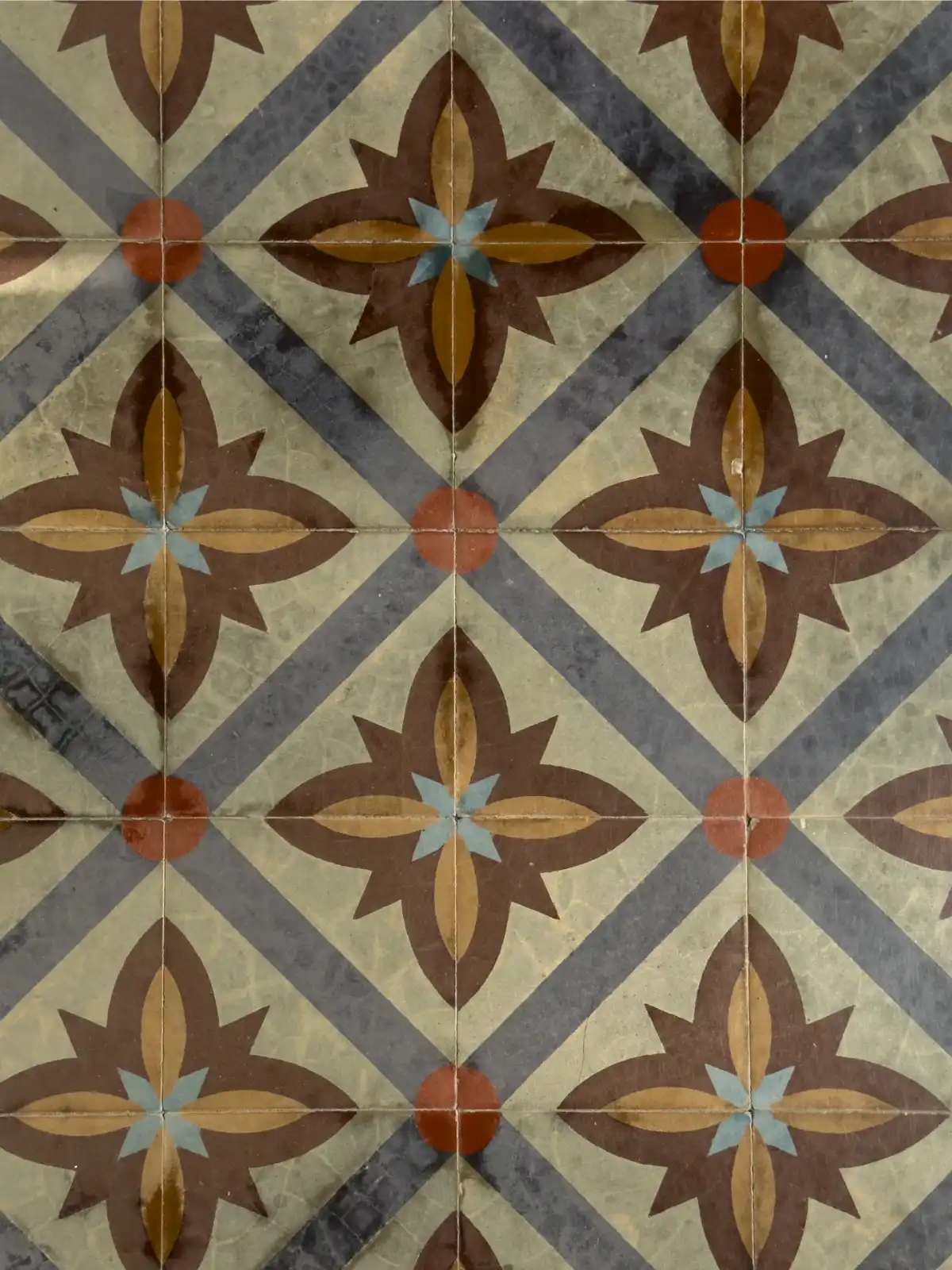
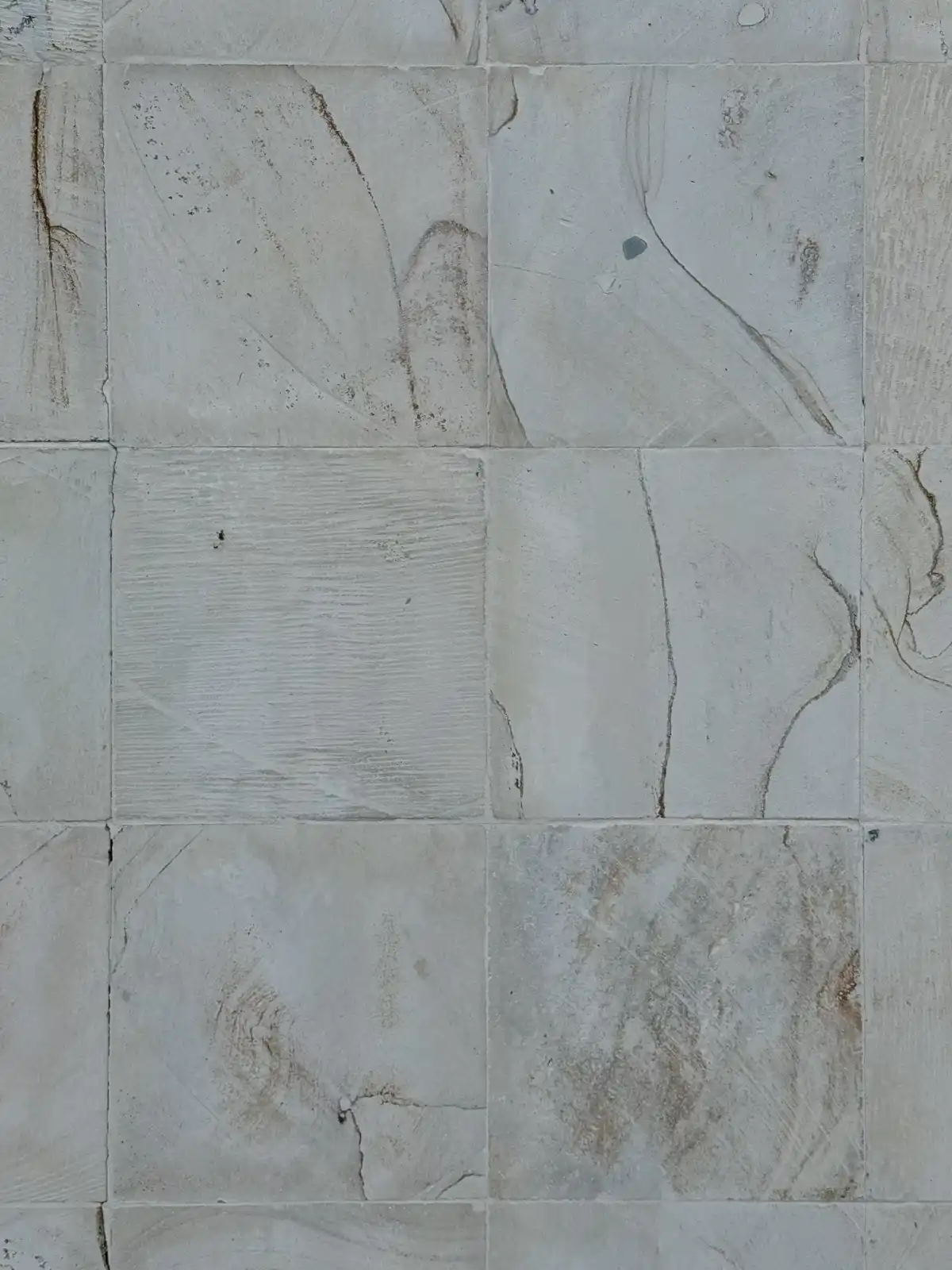
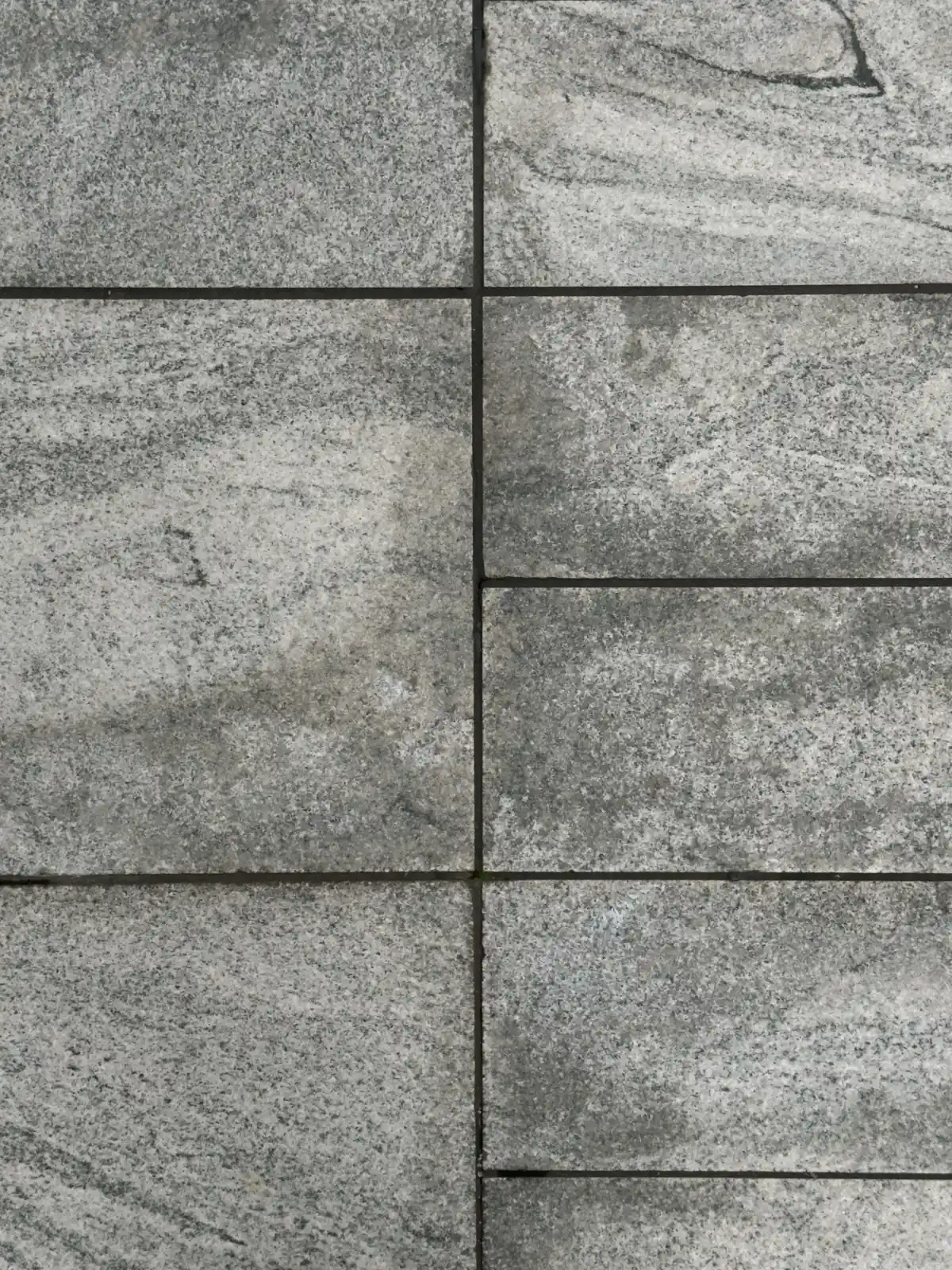
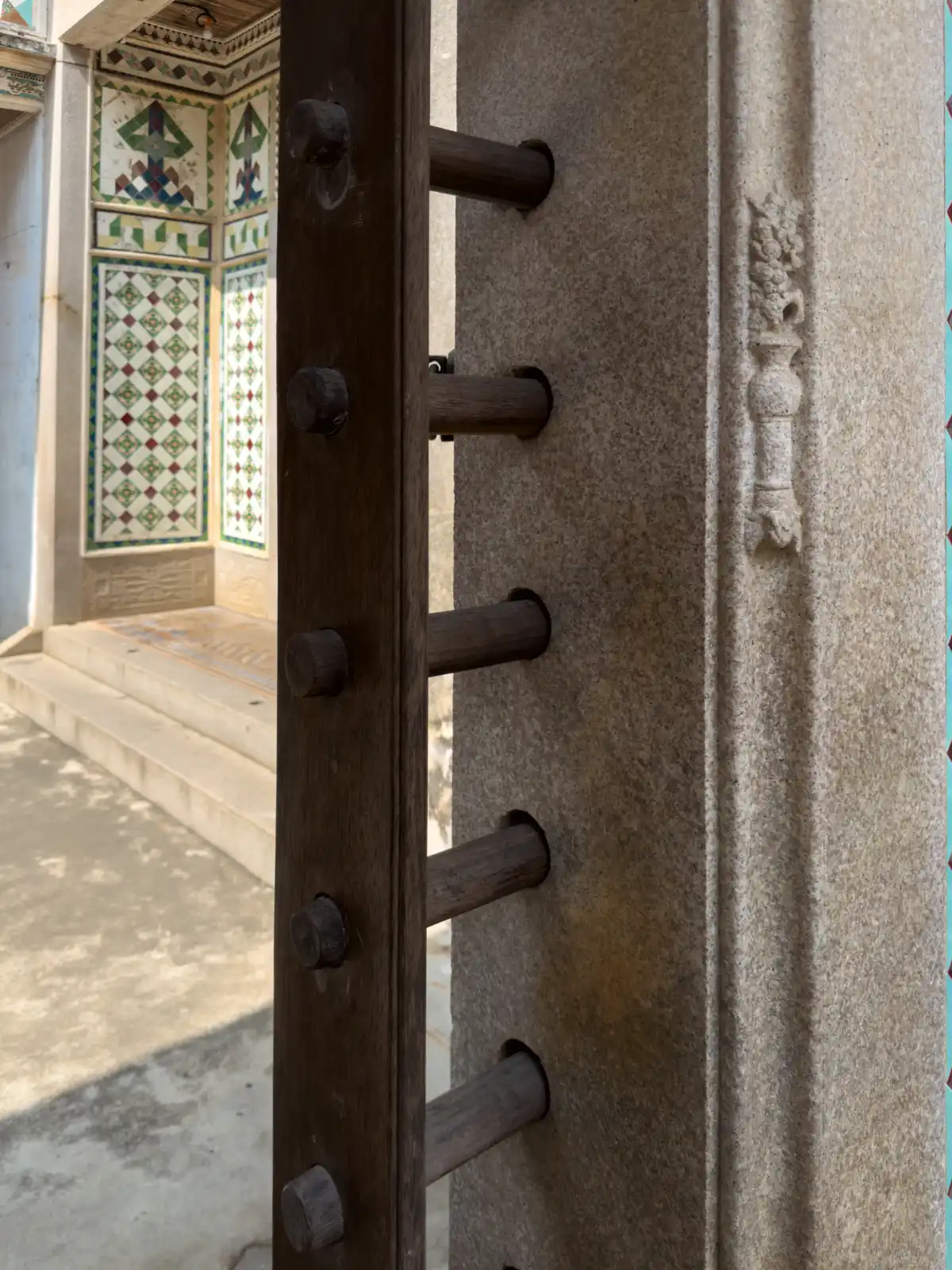
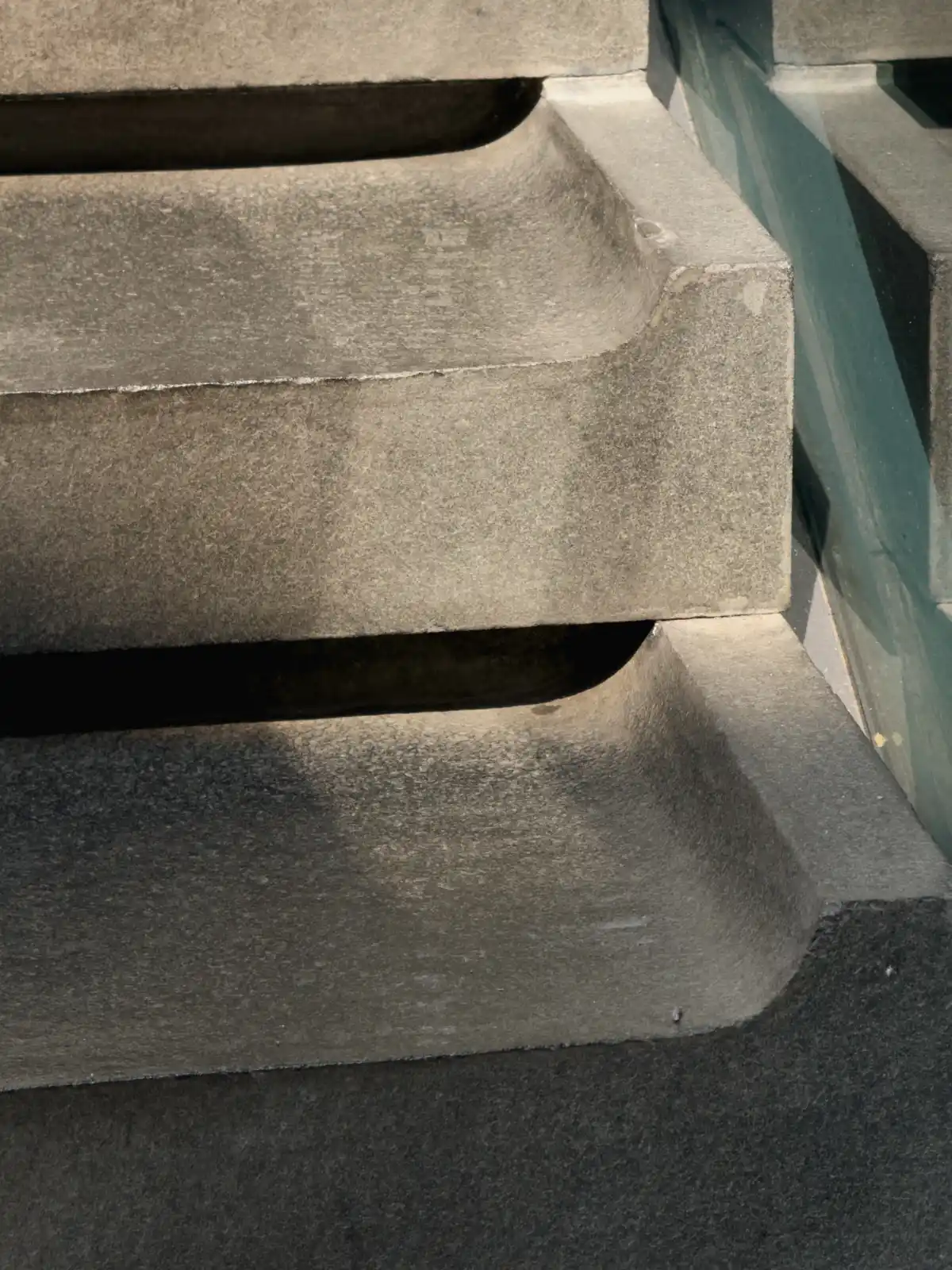
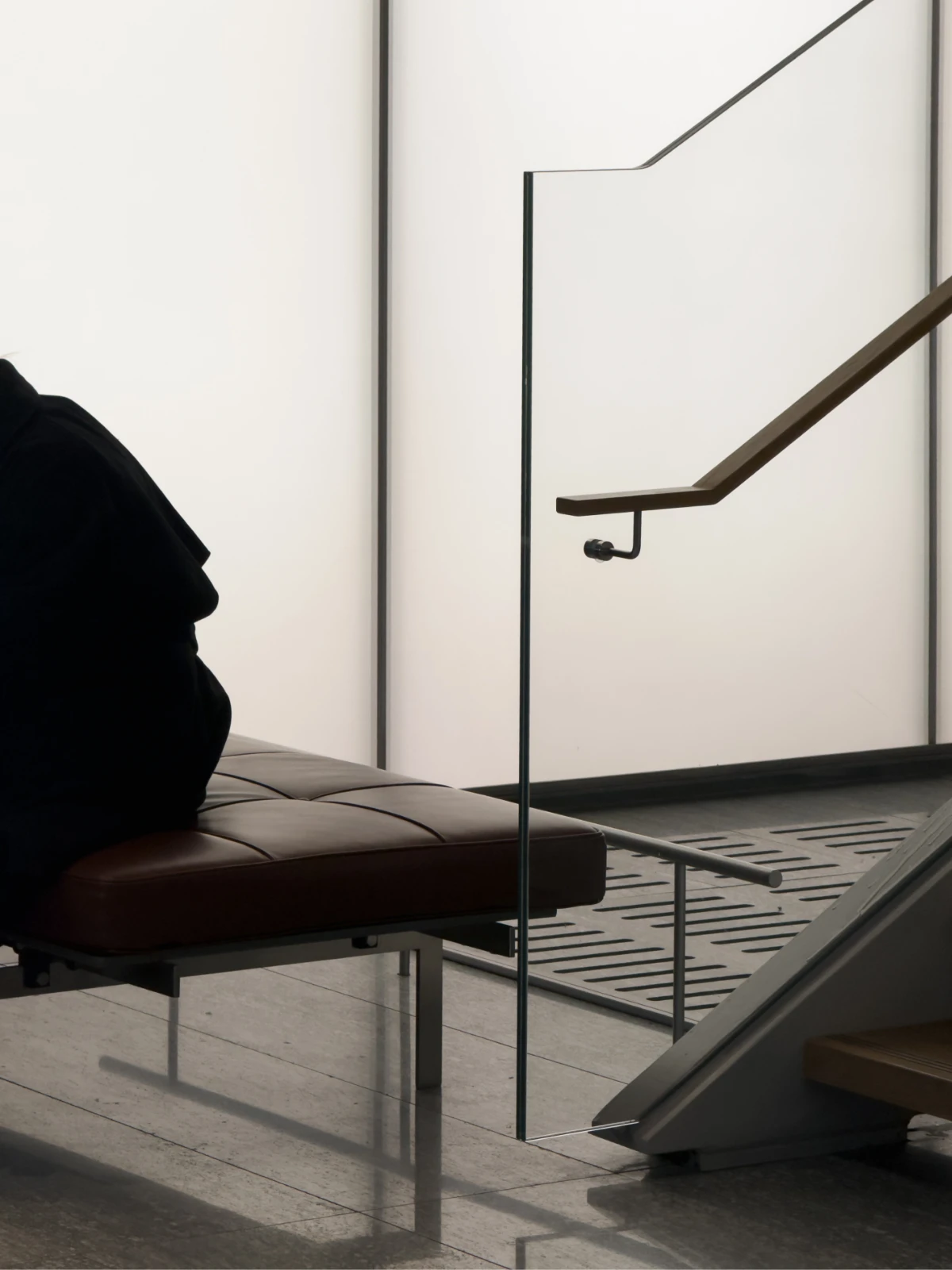
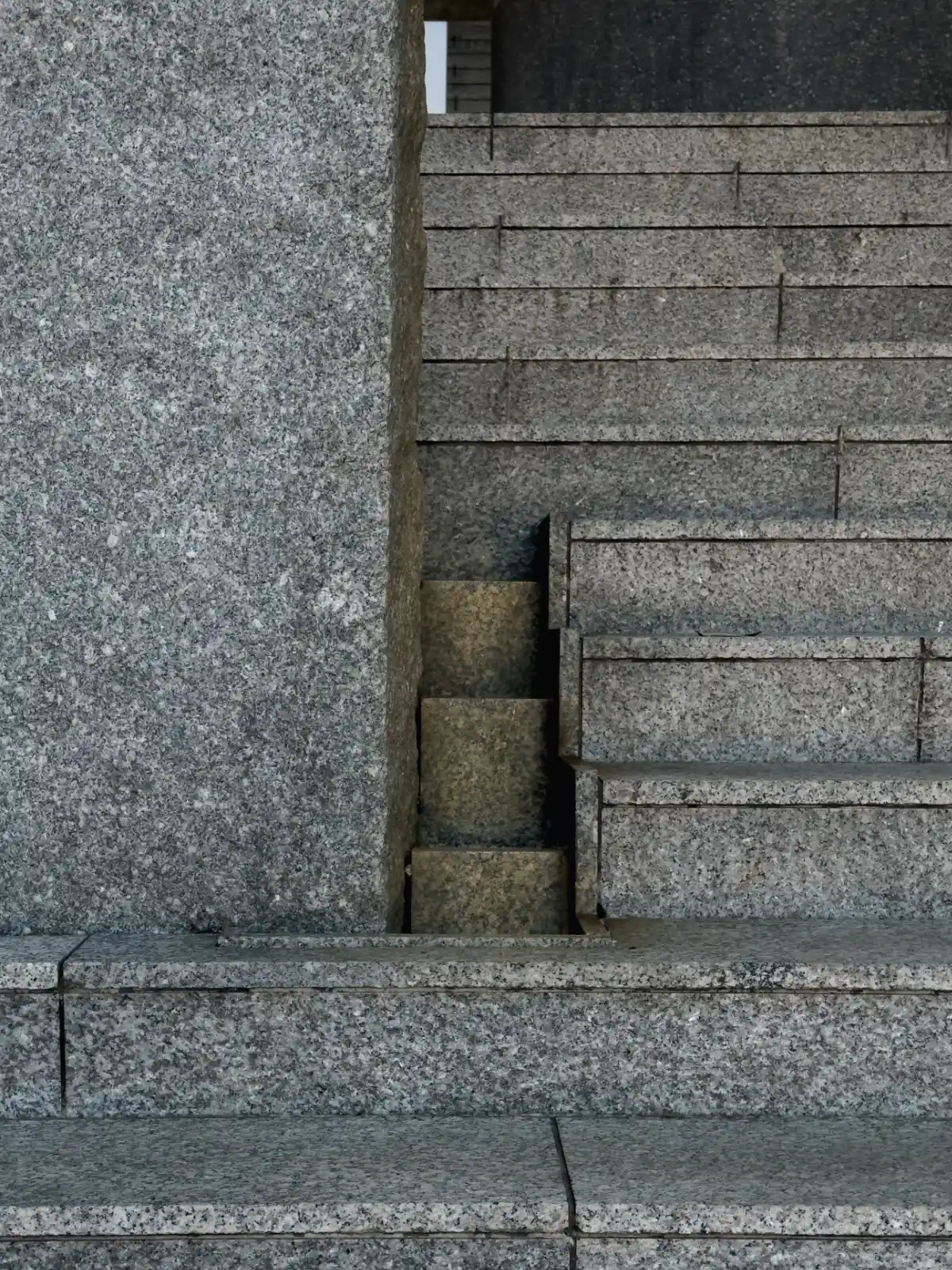
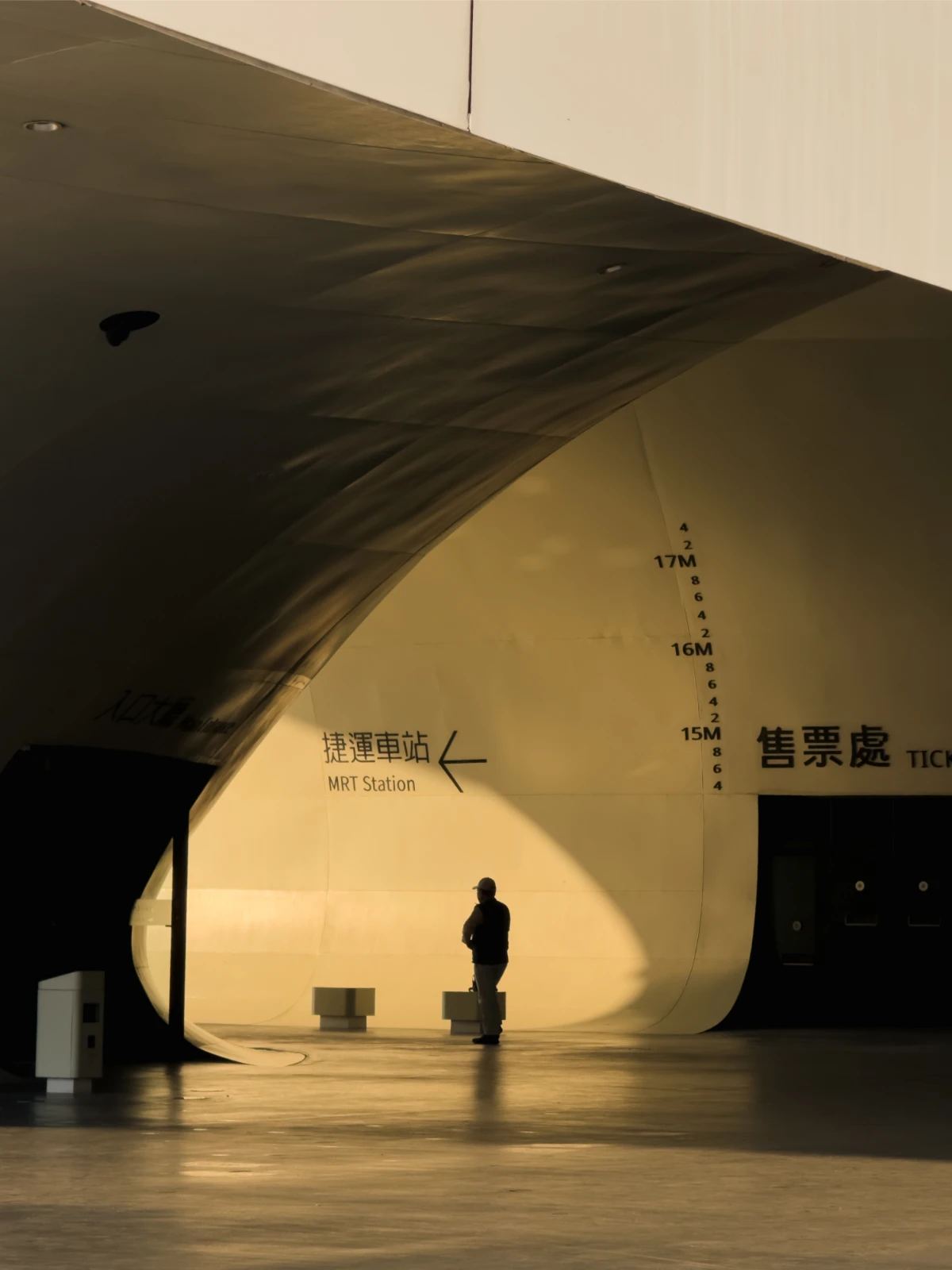
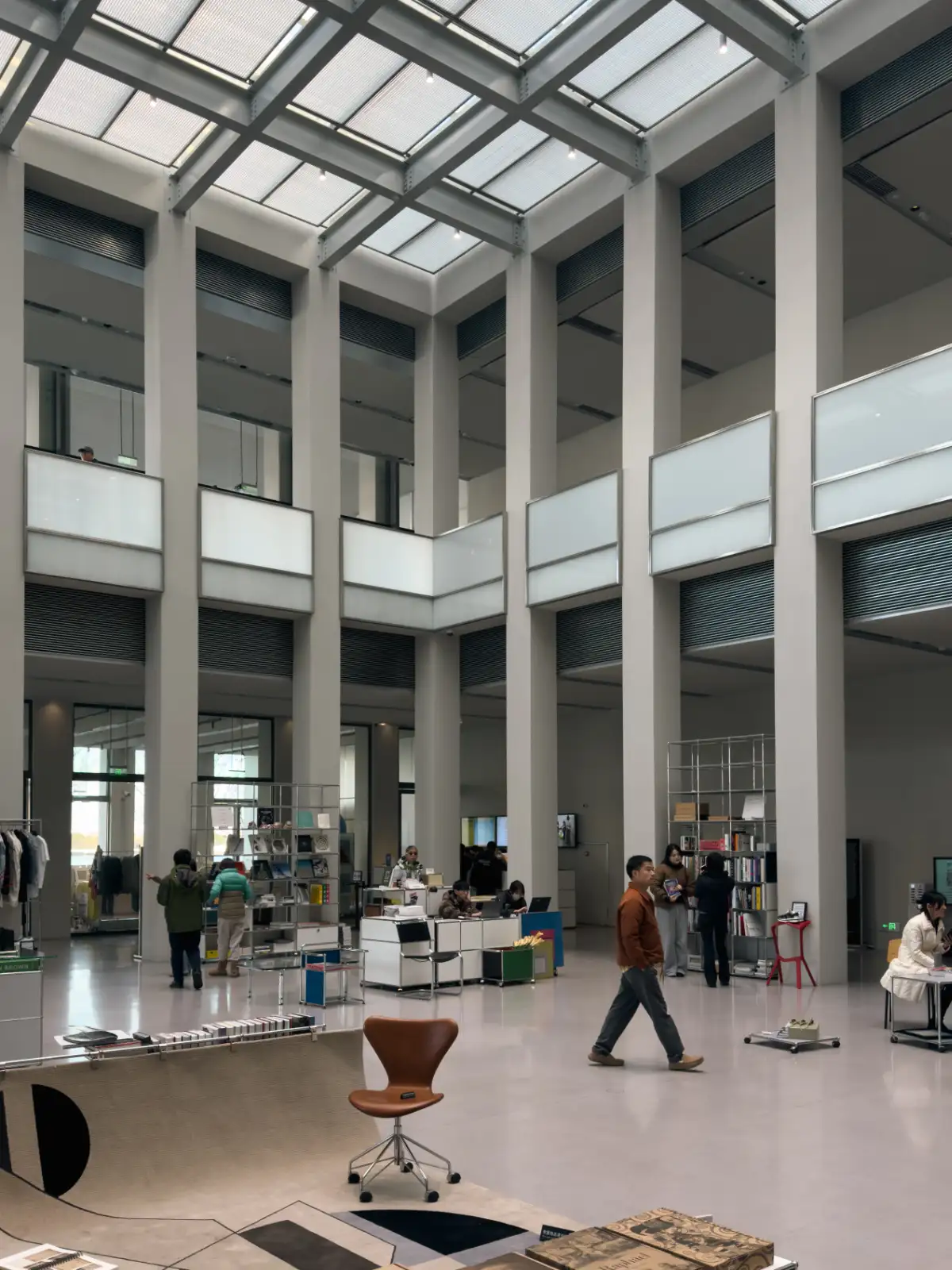
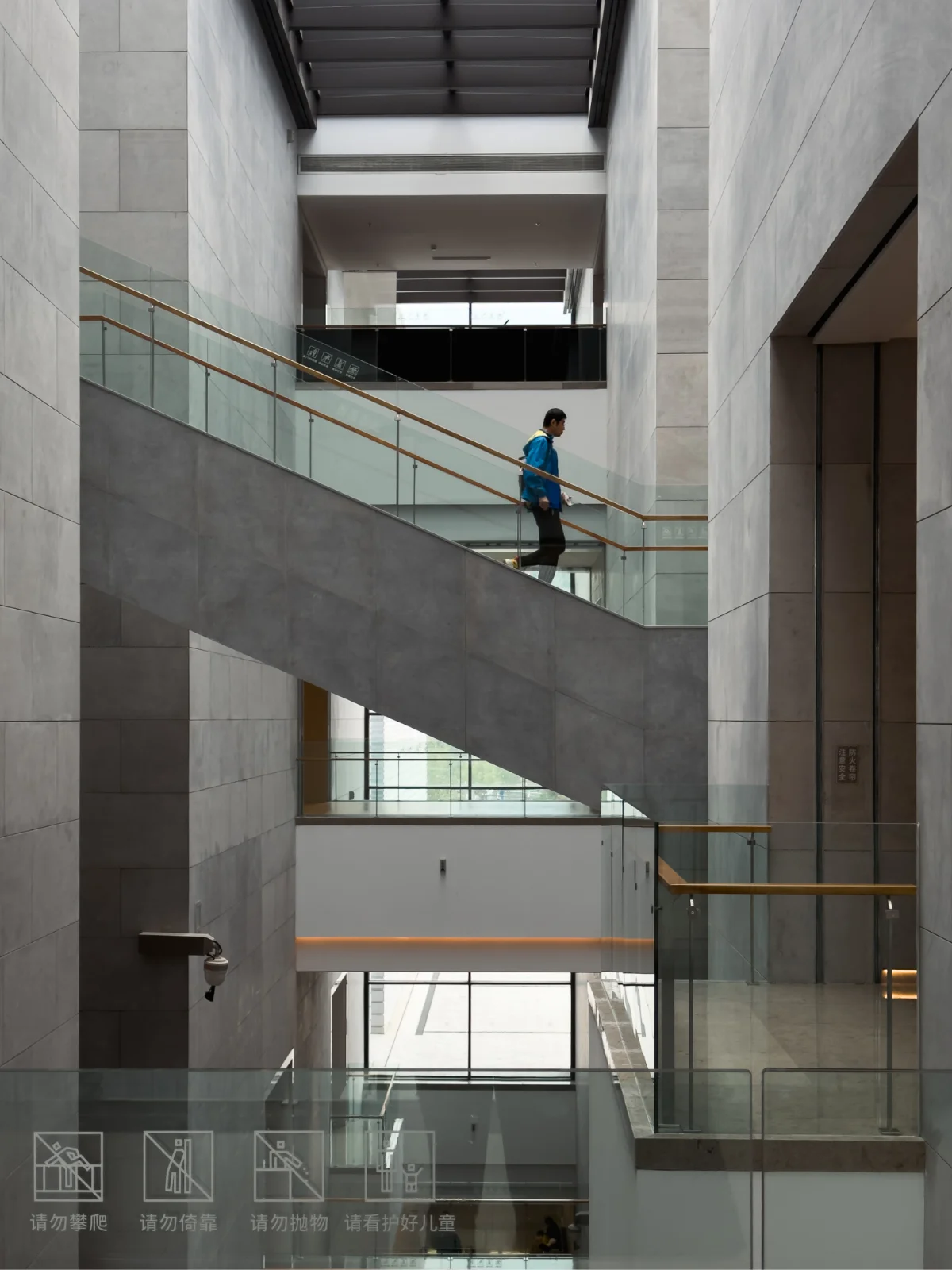
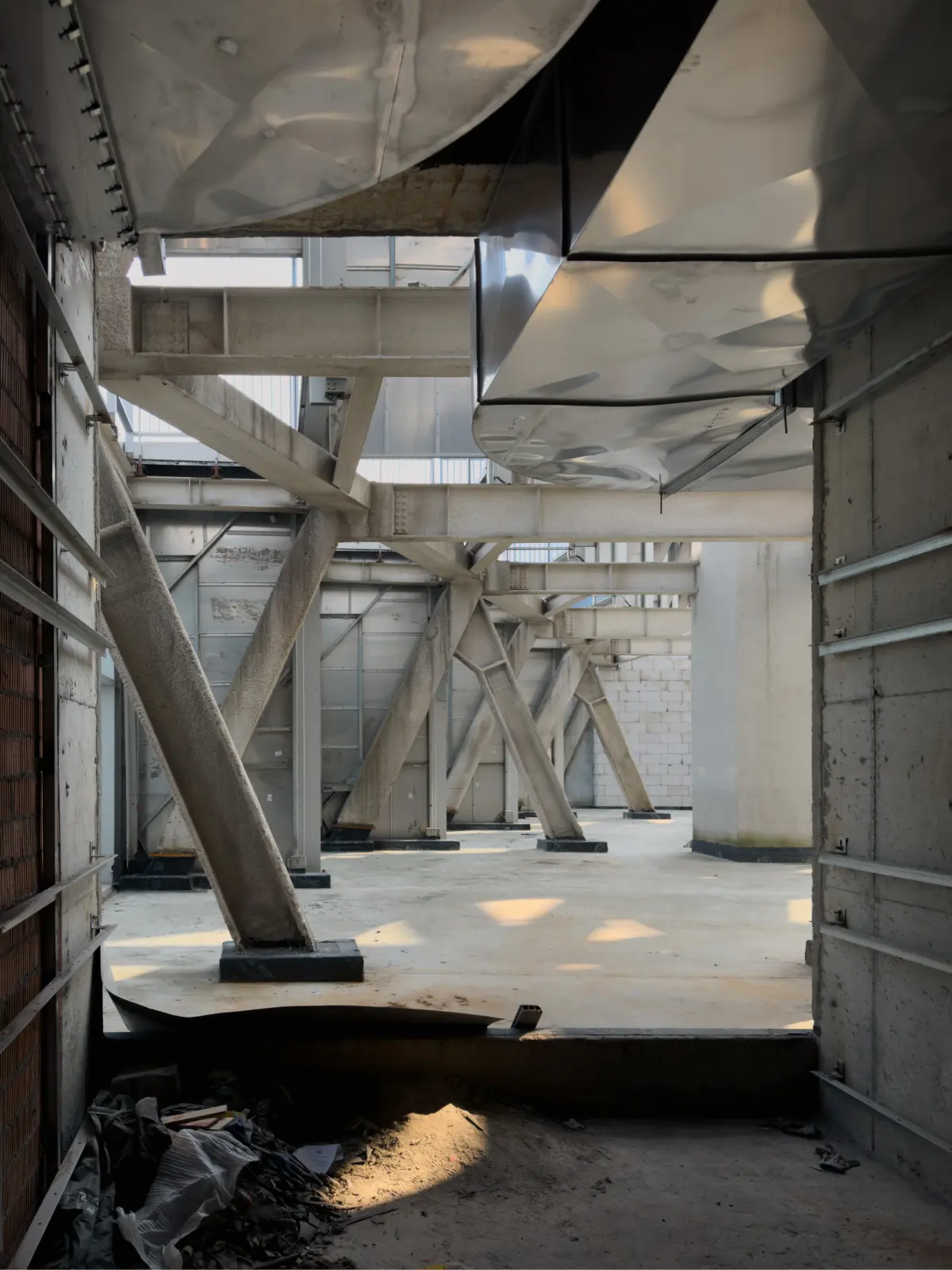
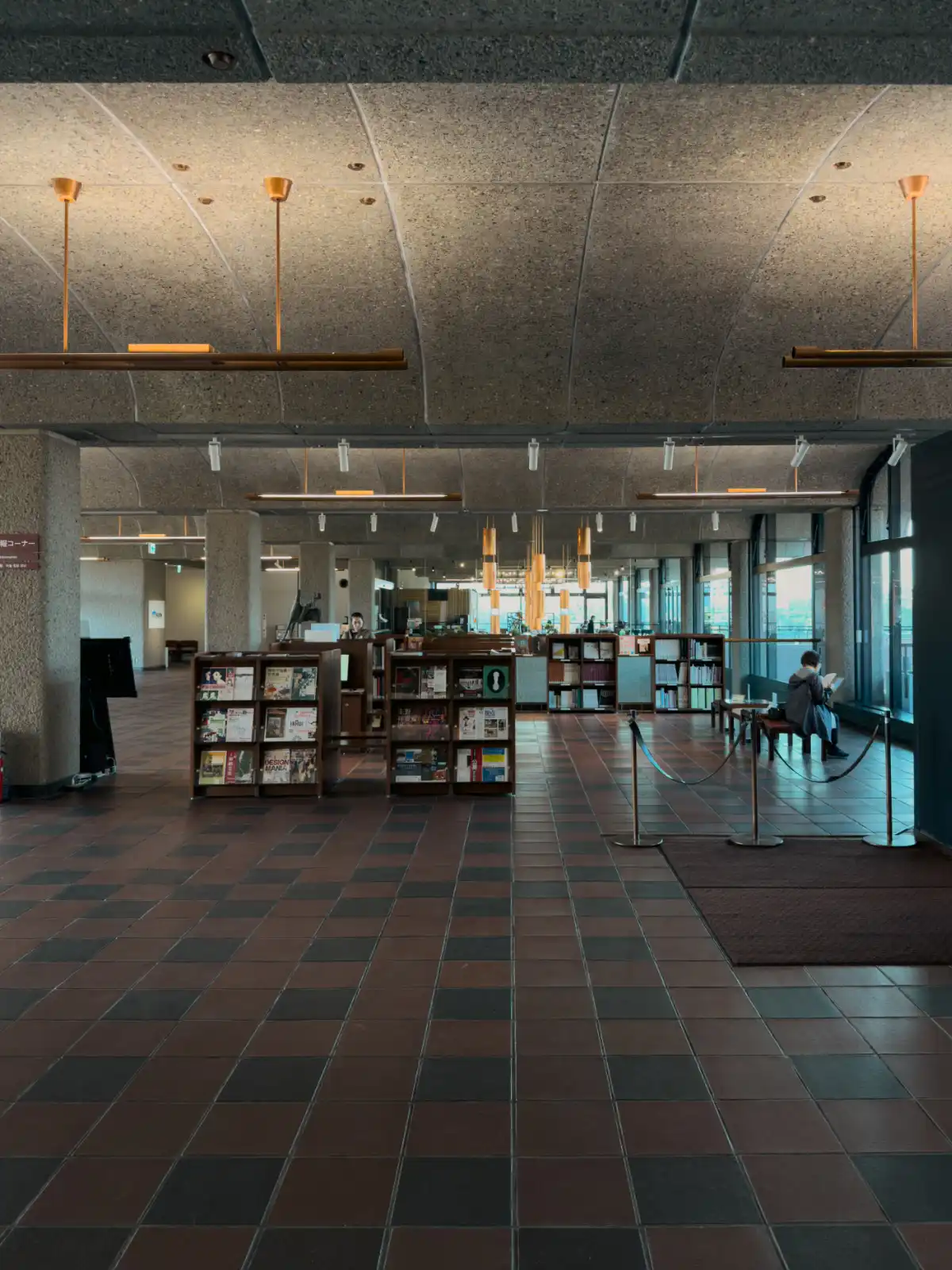
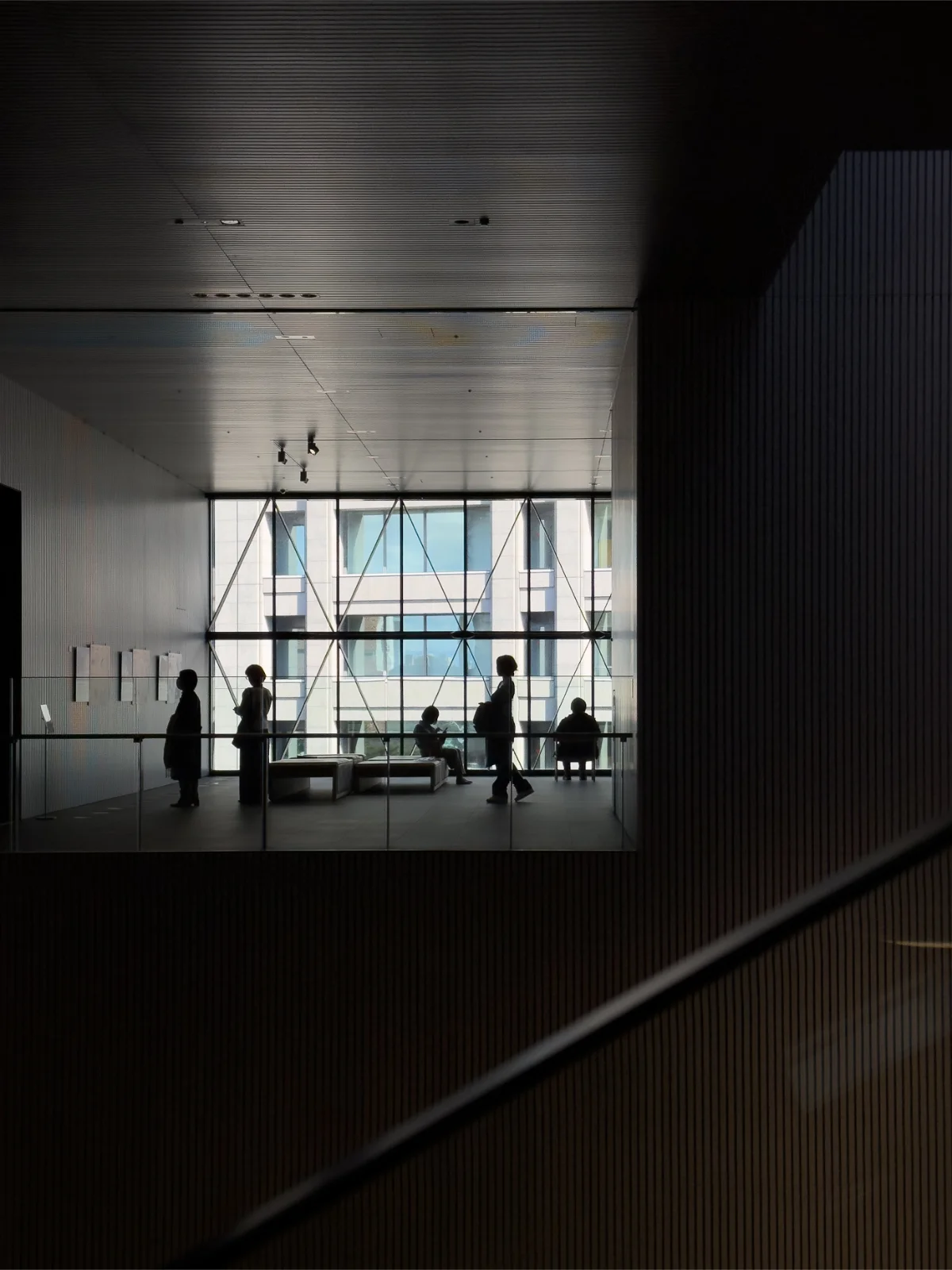
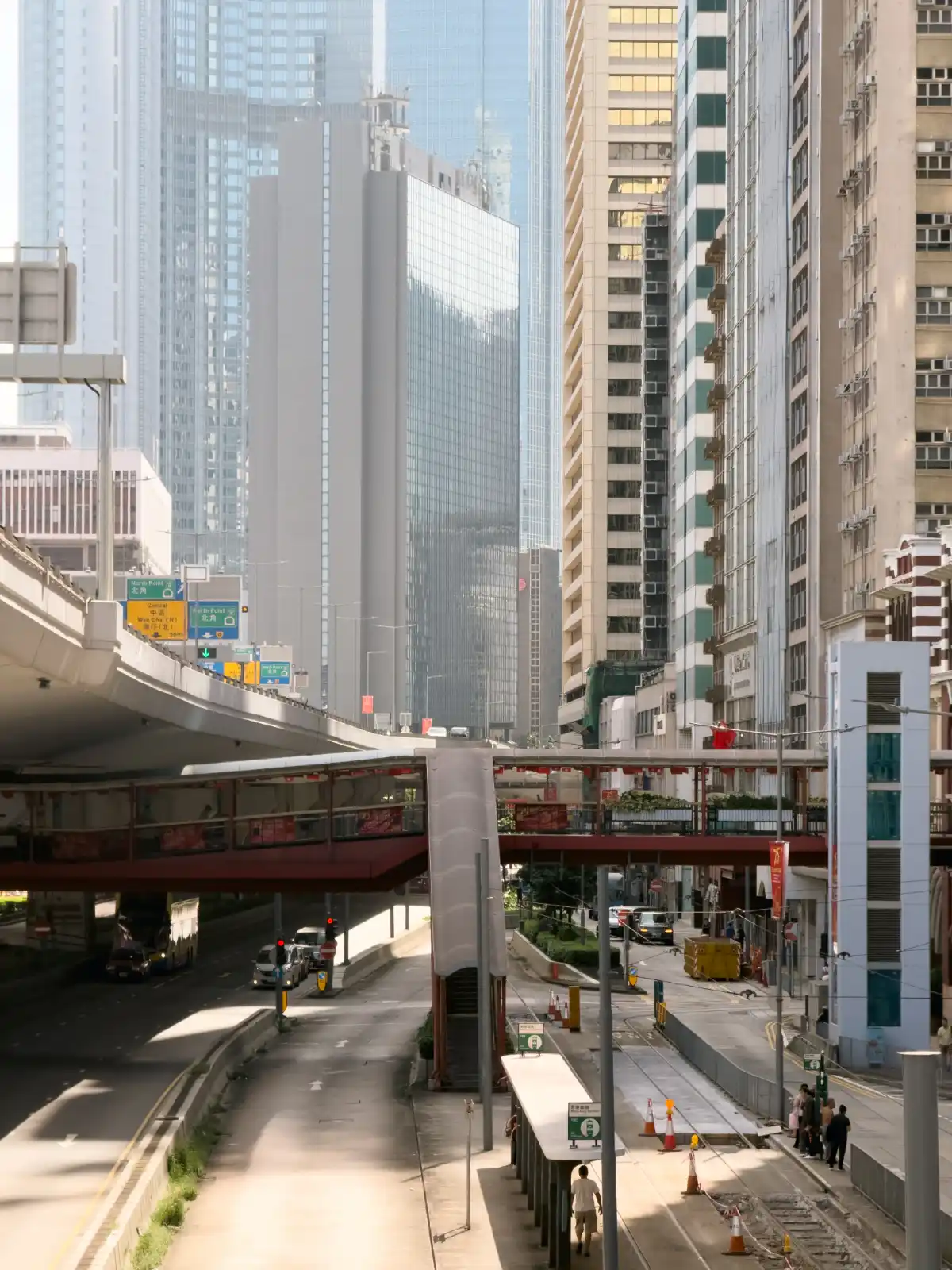
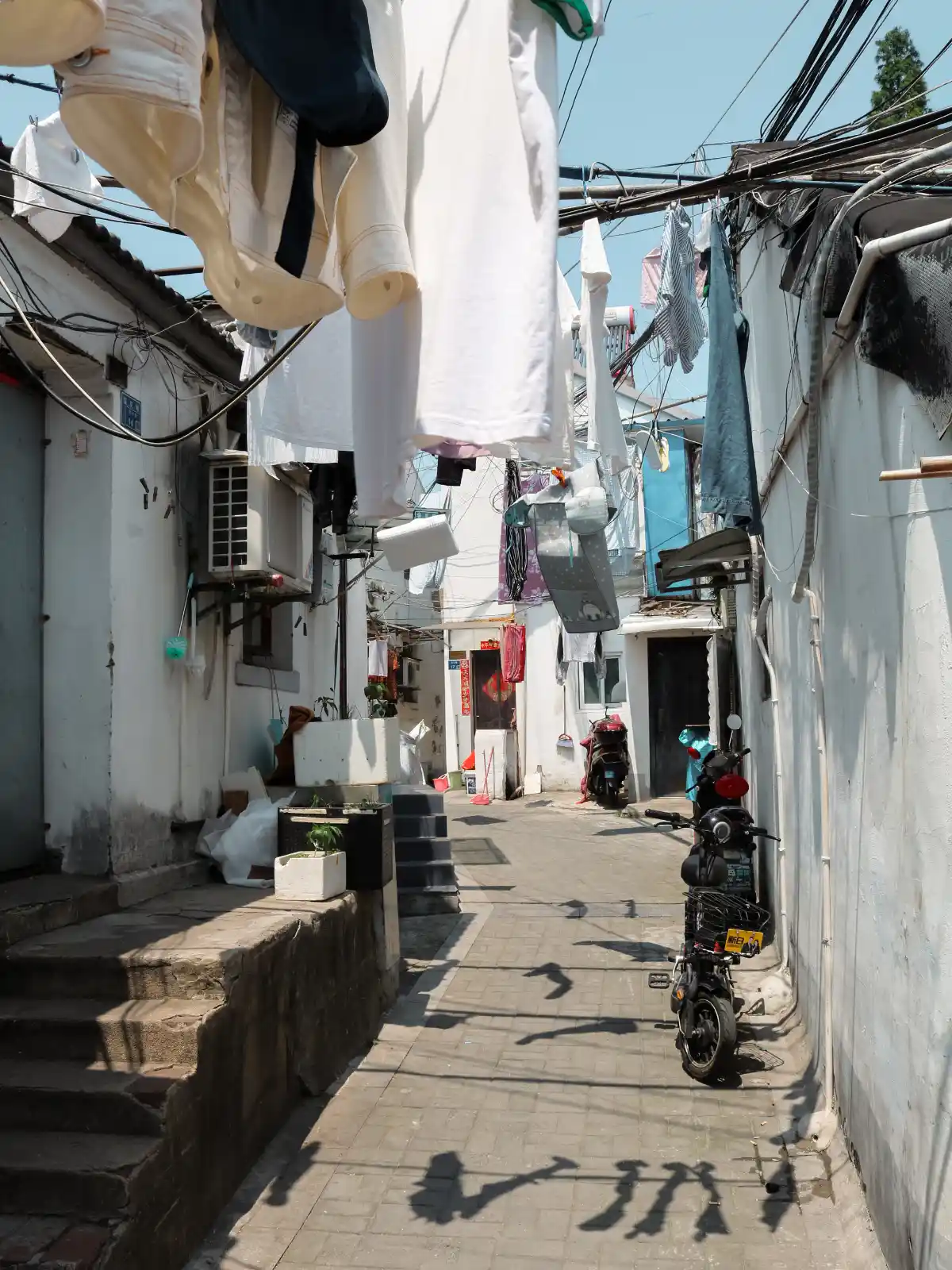
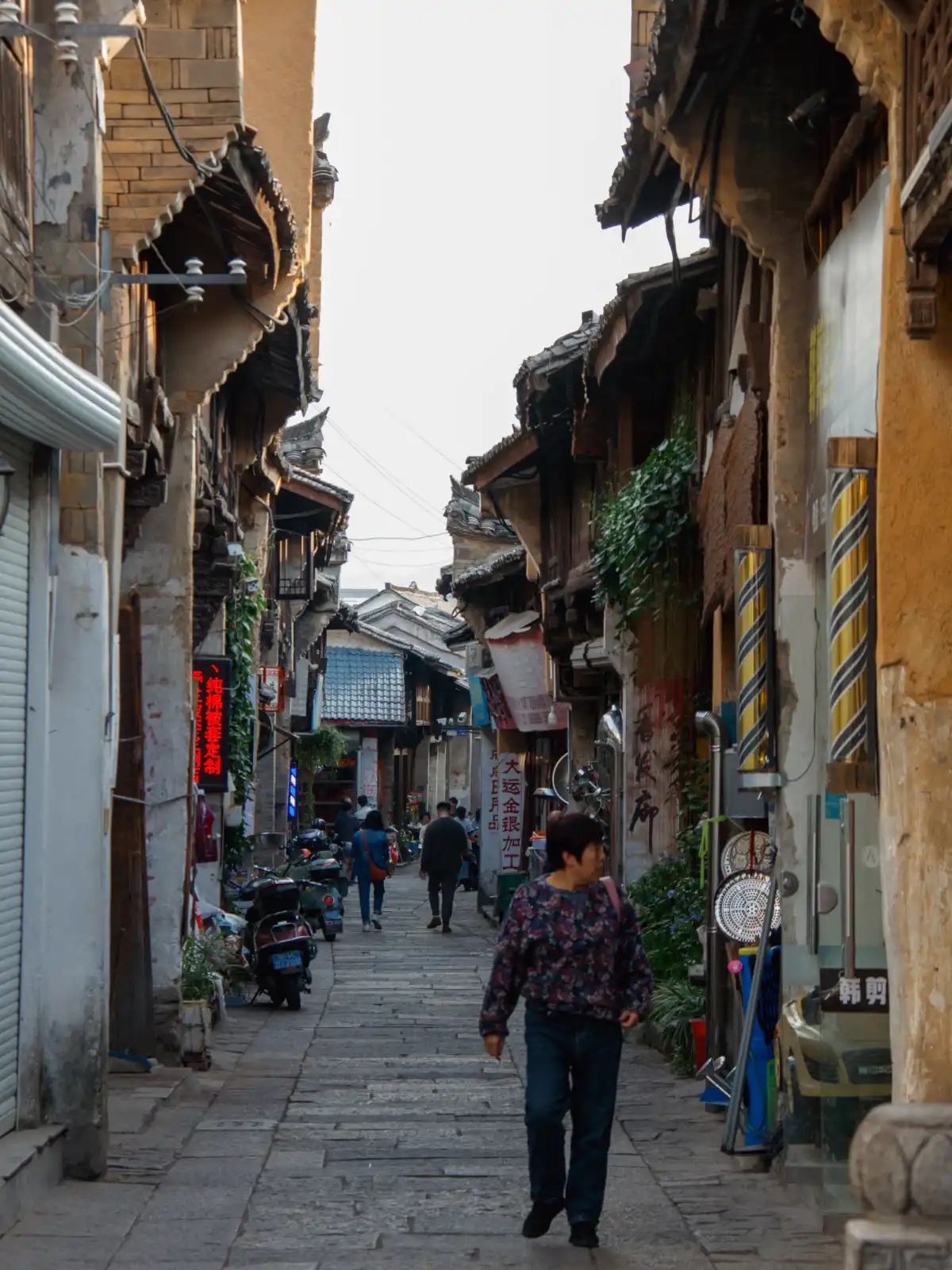
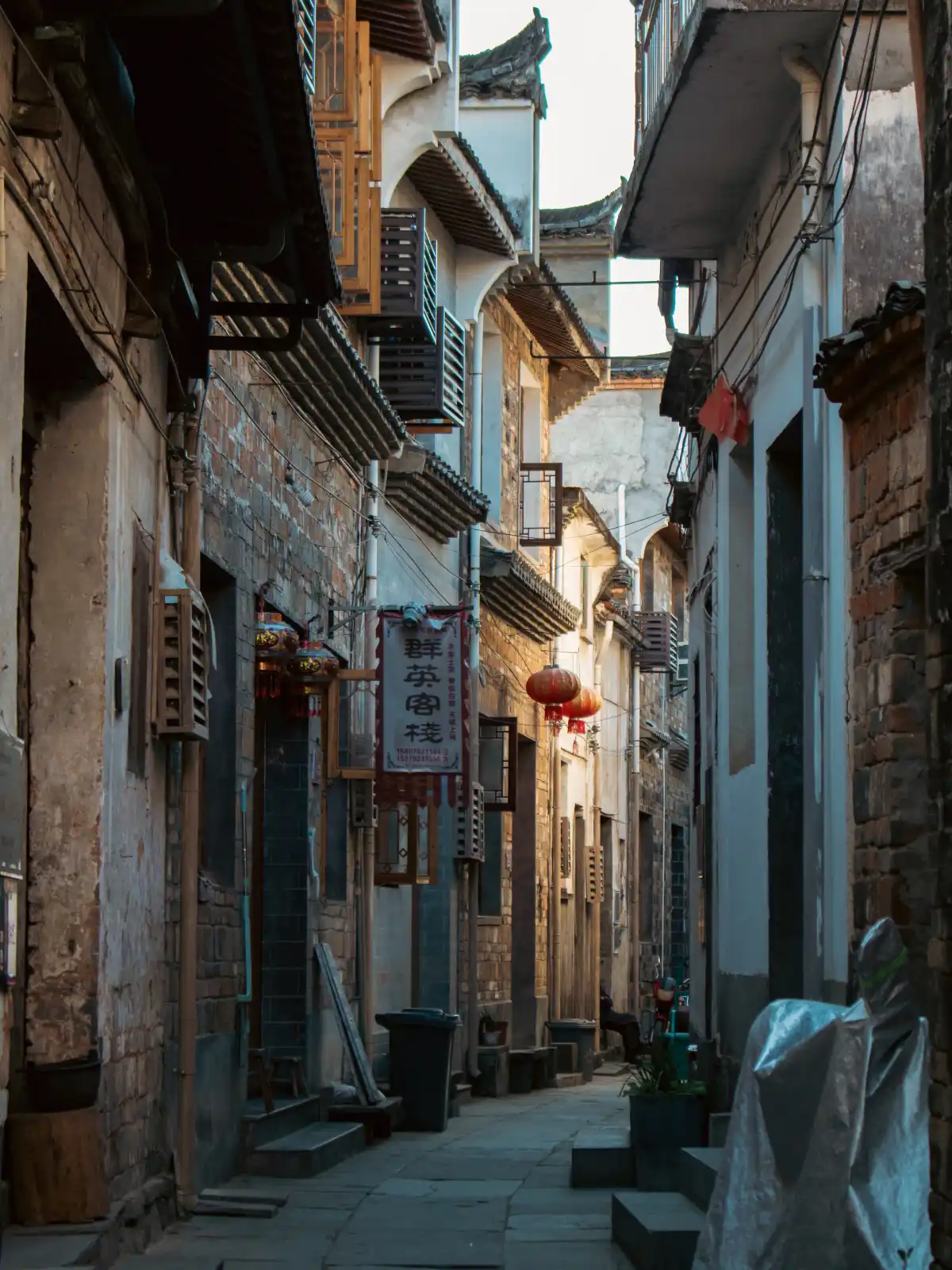
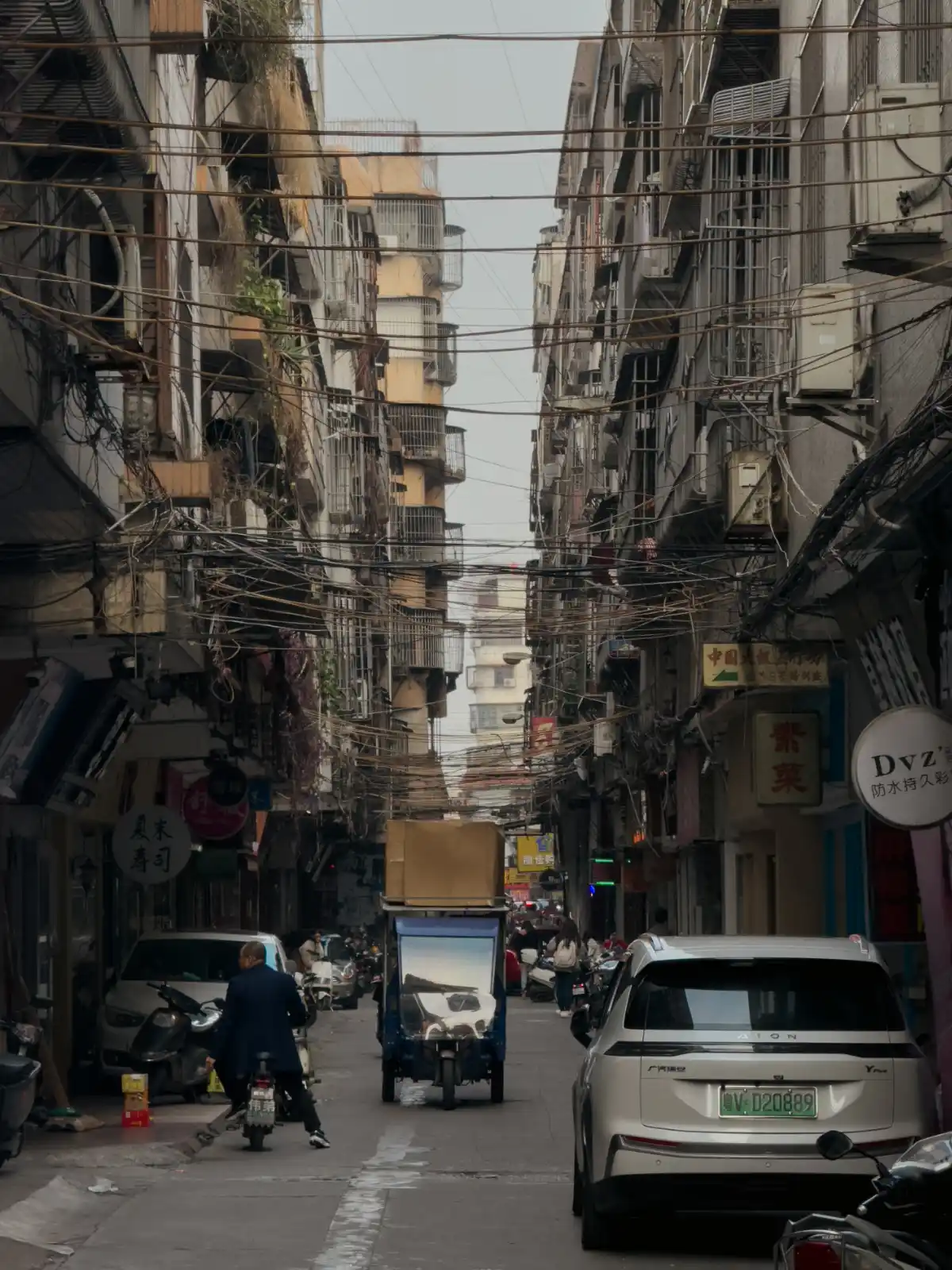
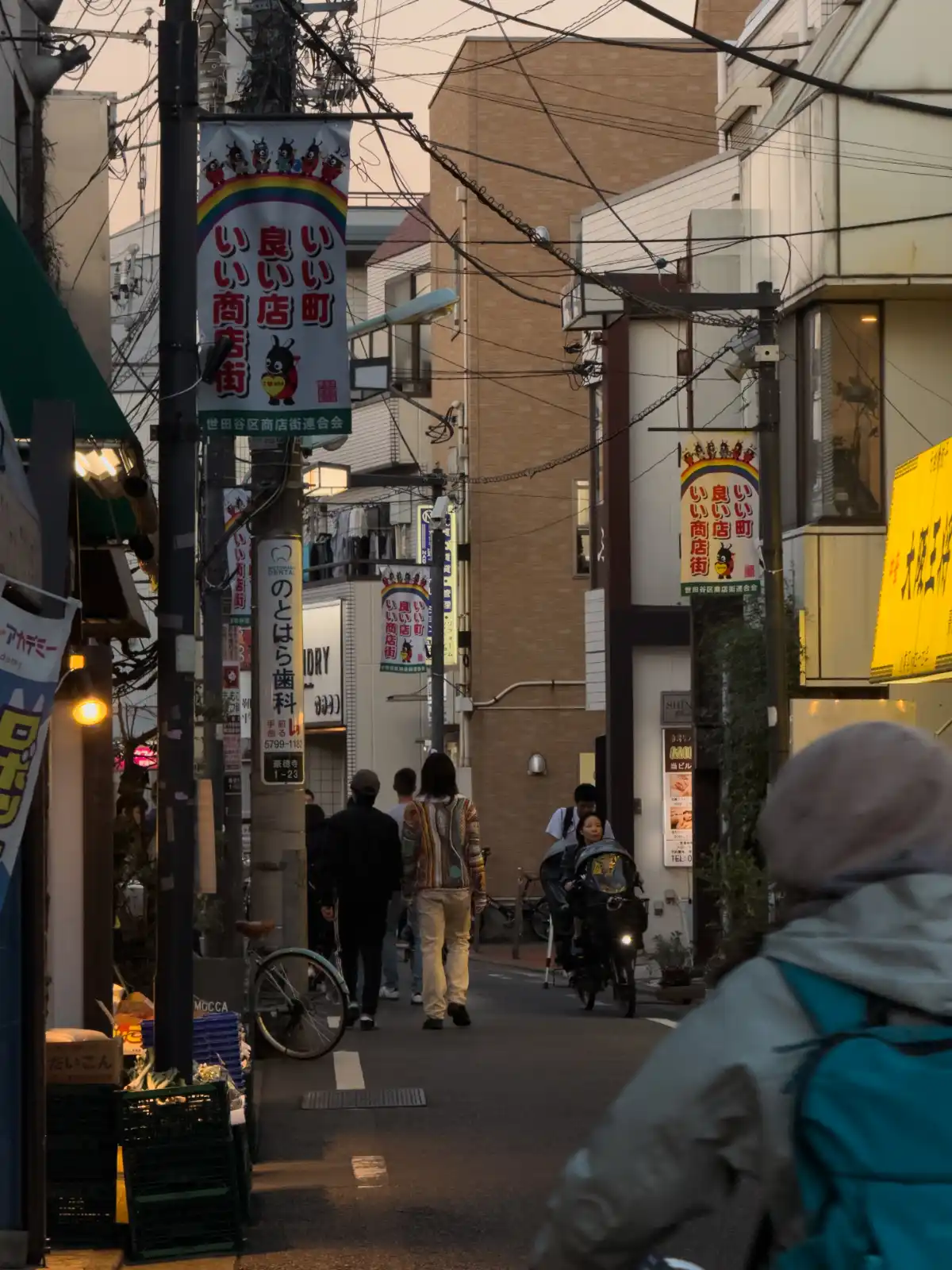
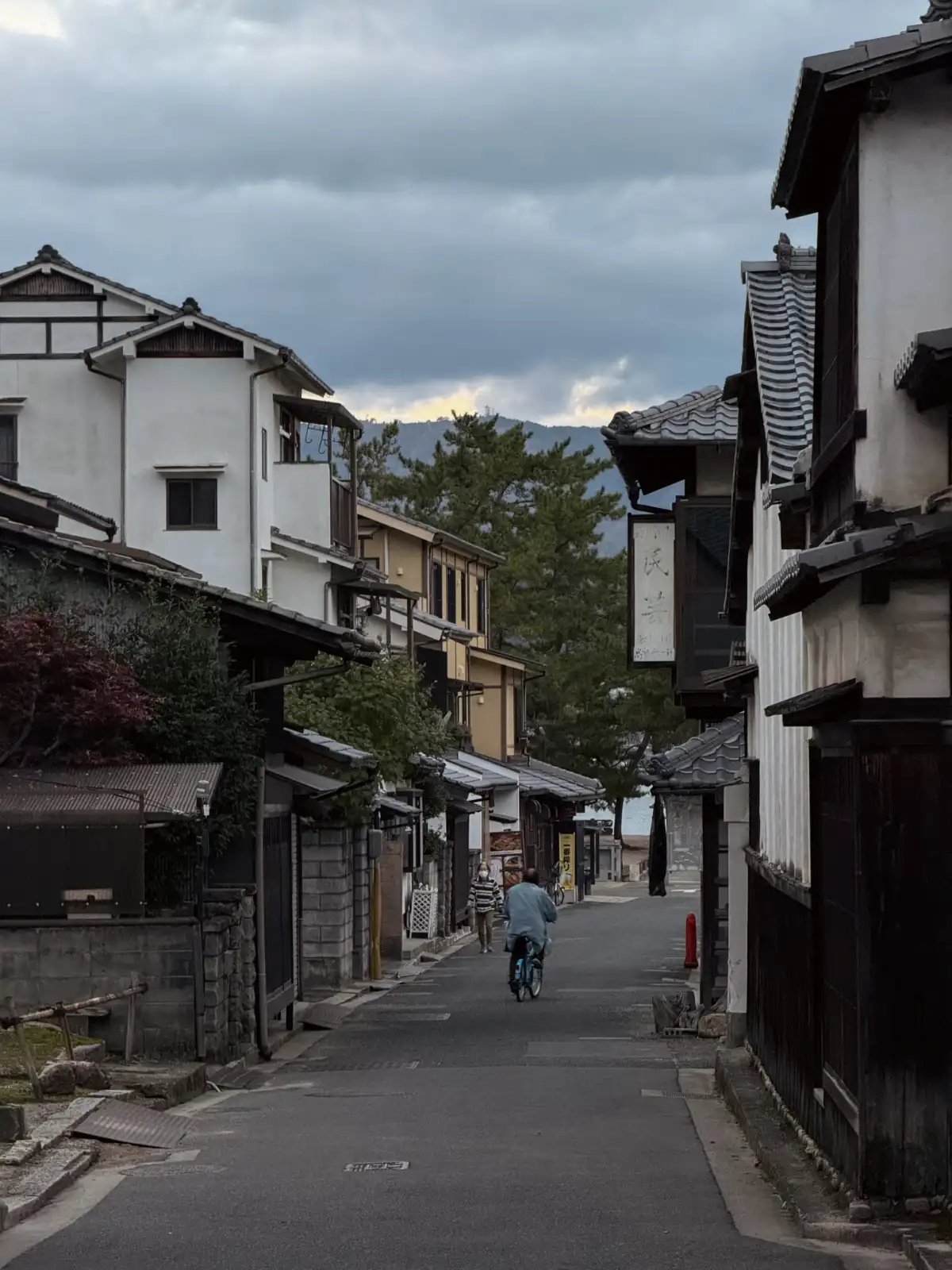
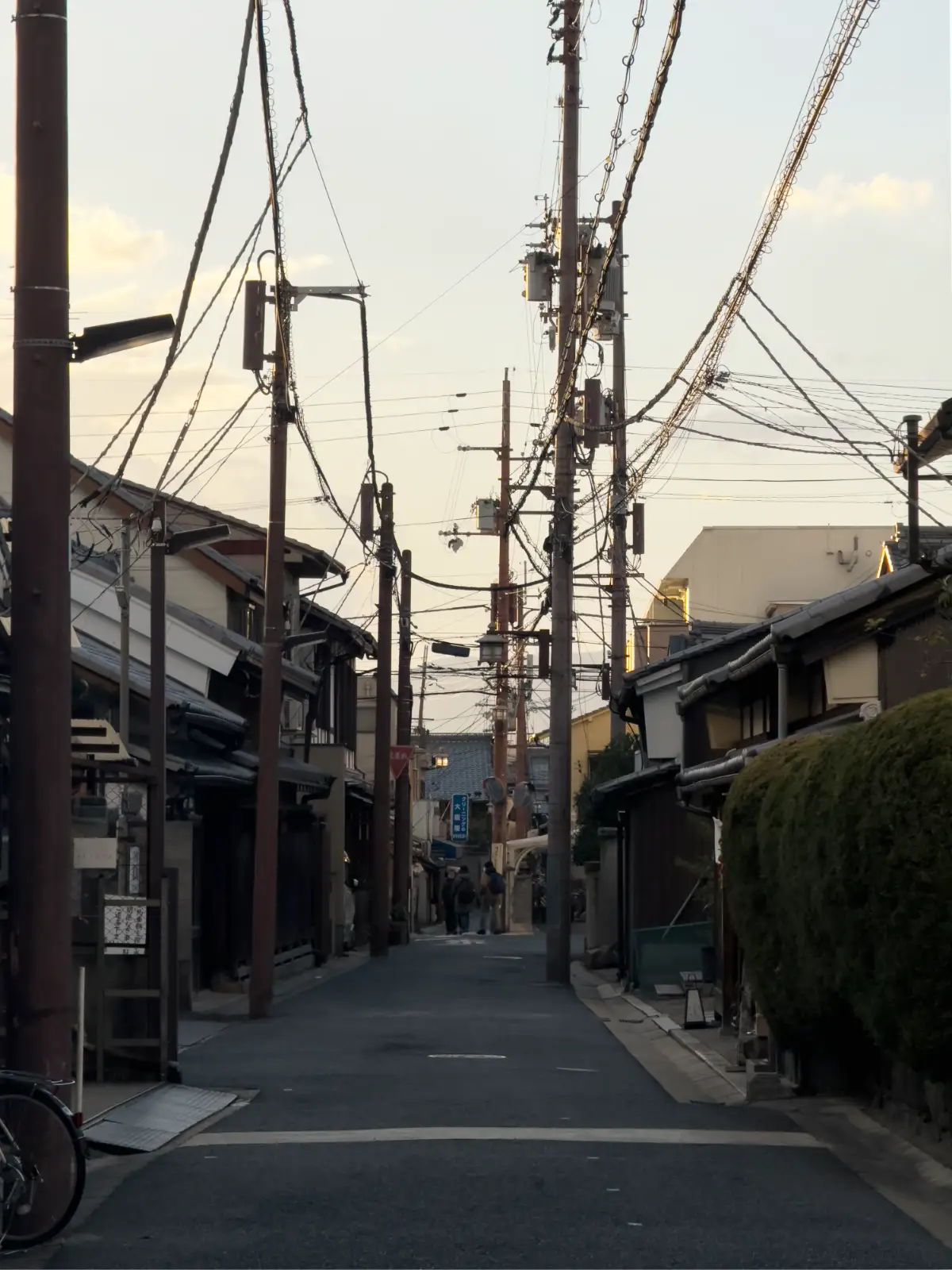
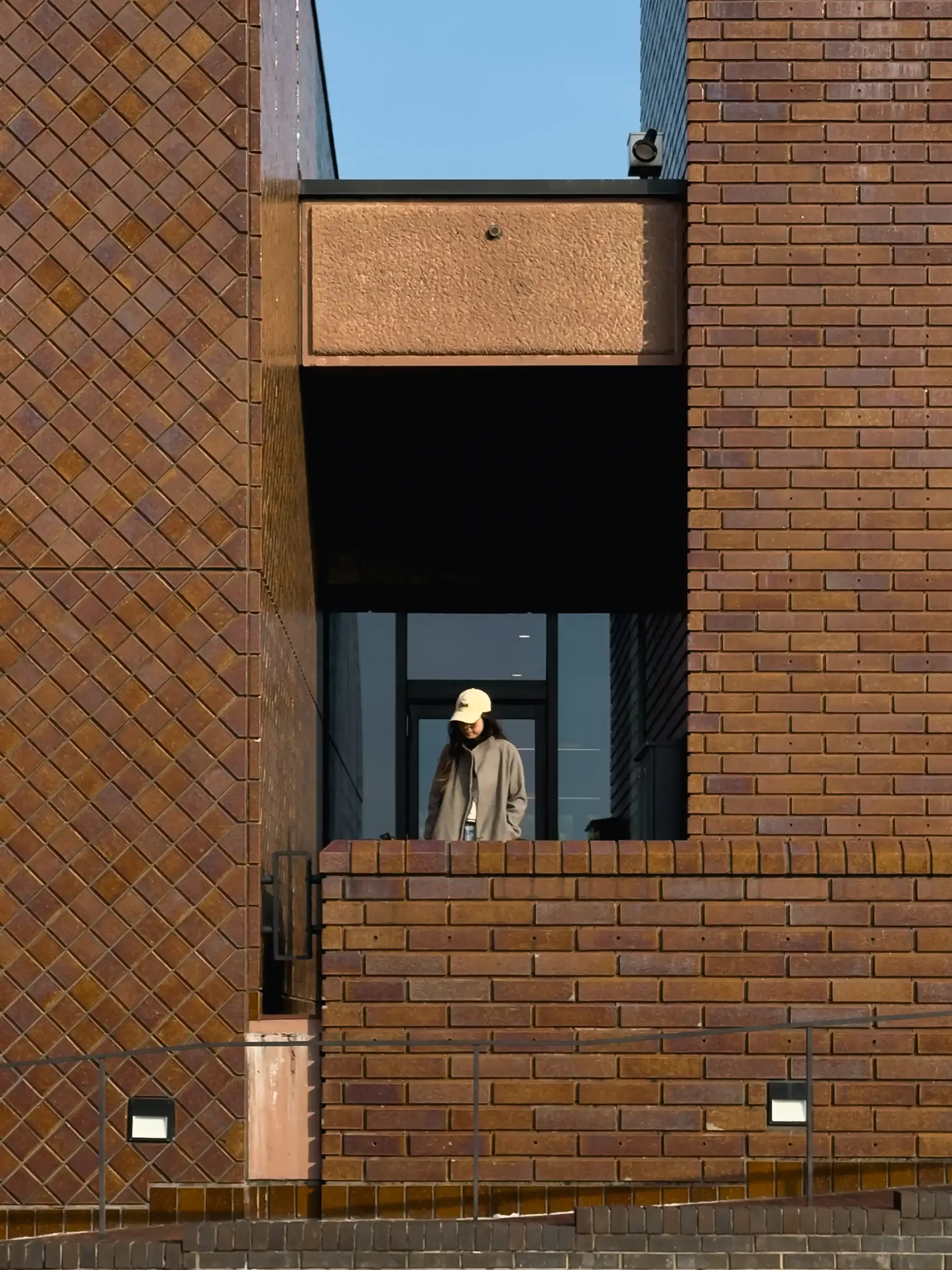
After completing my master’s studies, I took time to travel across Asia, focusing on experiencing places more intentionally. Photography became a valuable tool for discovering, framing, and documenting not only buildings and details, but also the atmospheres that shape our encounters with architectural and urban spaces.

Architecture and Space

After completing my master’s studies, I took time to travel across Asia, focusing on experiencing places more intentionally. Photography became a valuable tool for discovering, framing, and documenting not only buildings and details, but also the atmospheres that shape our encounters with architectural and urban spaces.

Elevations

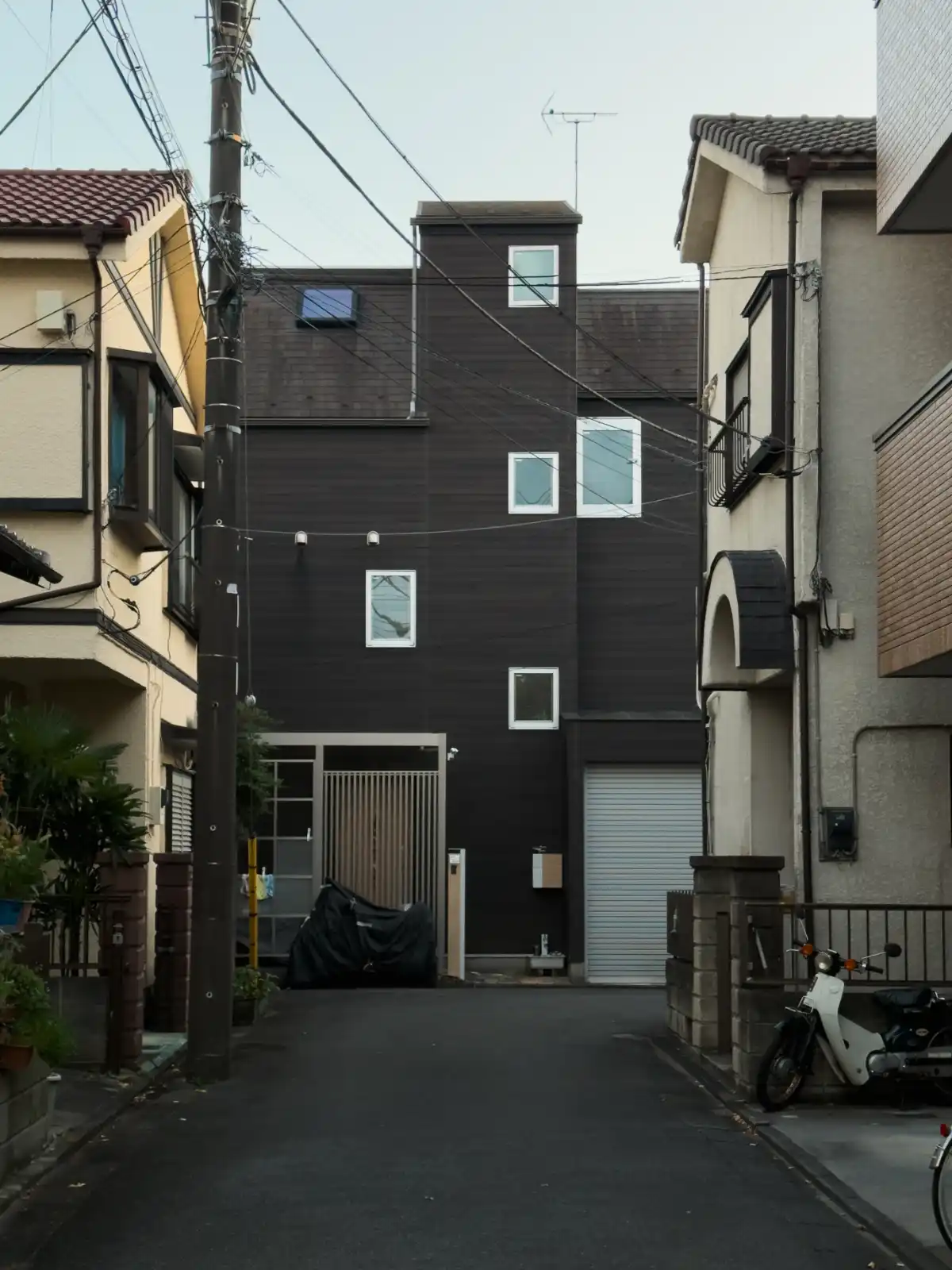
Tokyo, Japan - 2024
Kaohsiung, Taiwan - 2025
Tokyo, Japan - 2024
Tokyo, Japan - 2024
Guangzhou, China - 2025
Tokyo, Japan - 2024
Tokyo, Japan - 2024
Shantou, China - 2025
Tokyo, Japan - 2024
Tokyo, Japan - 2024
Tainan, Taiwan - 2025
Kaohsiung, Taiwan - 2025

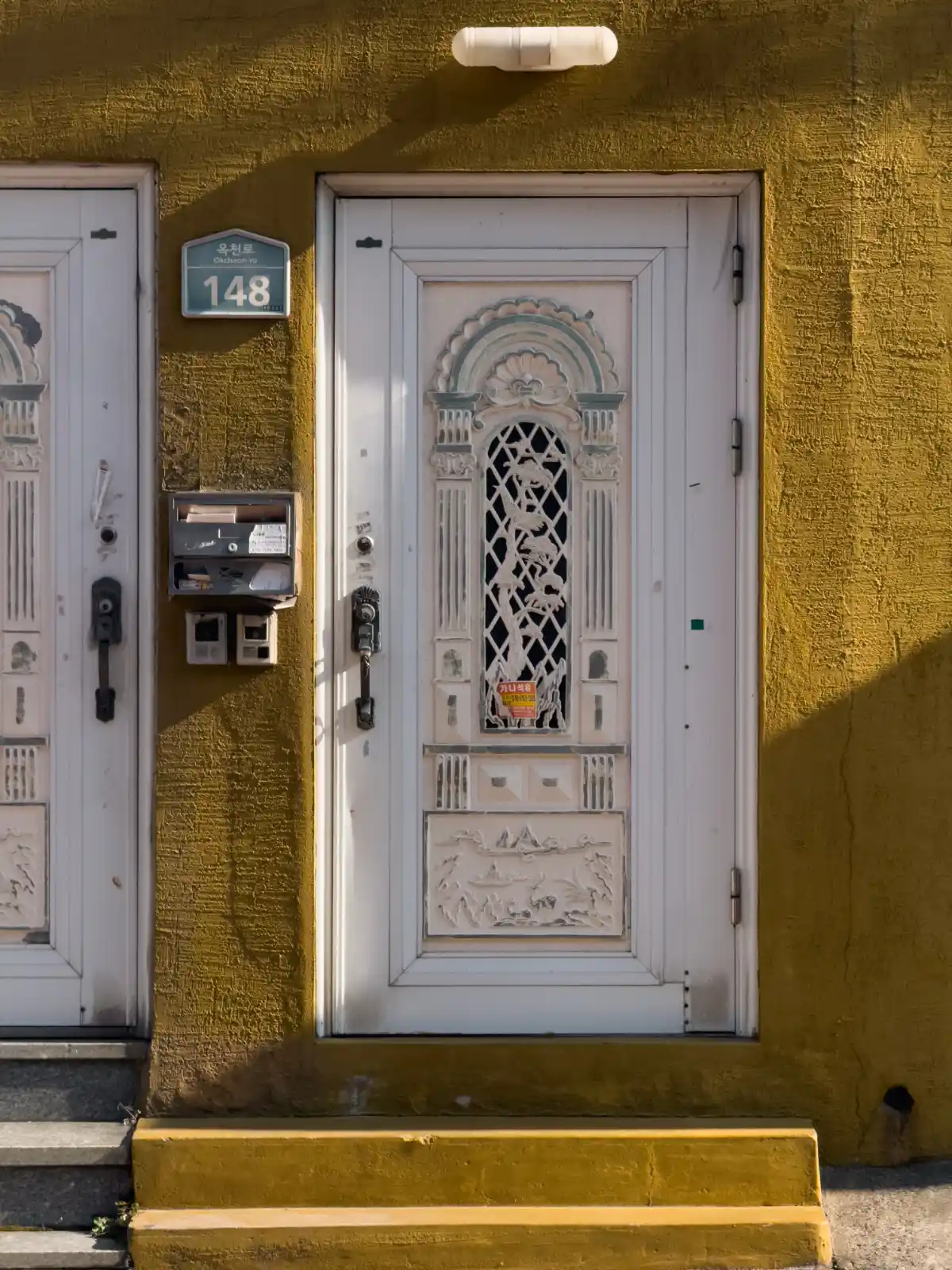
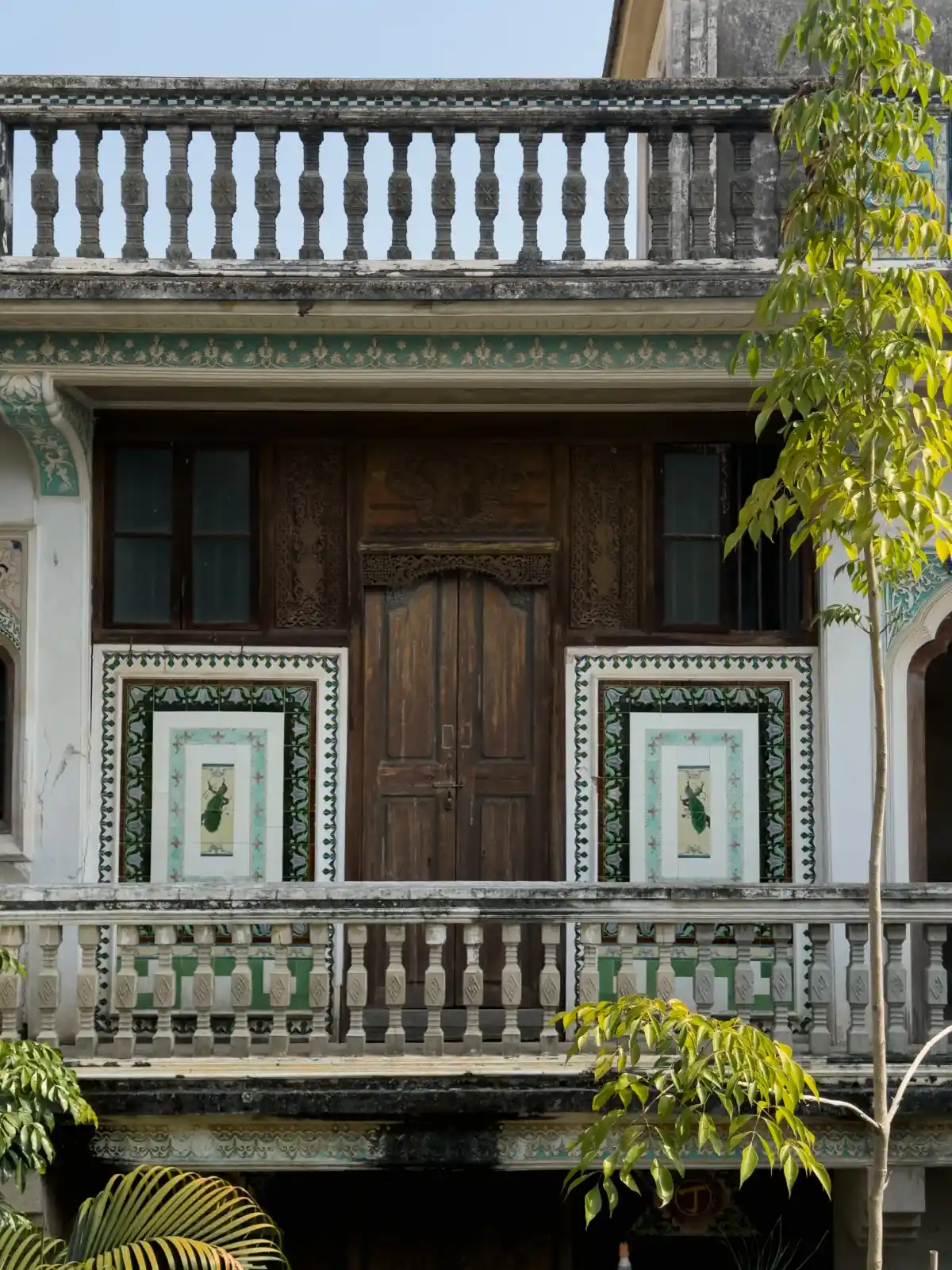
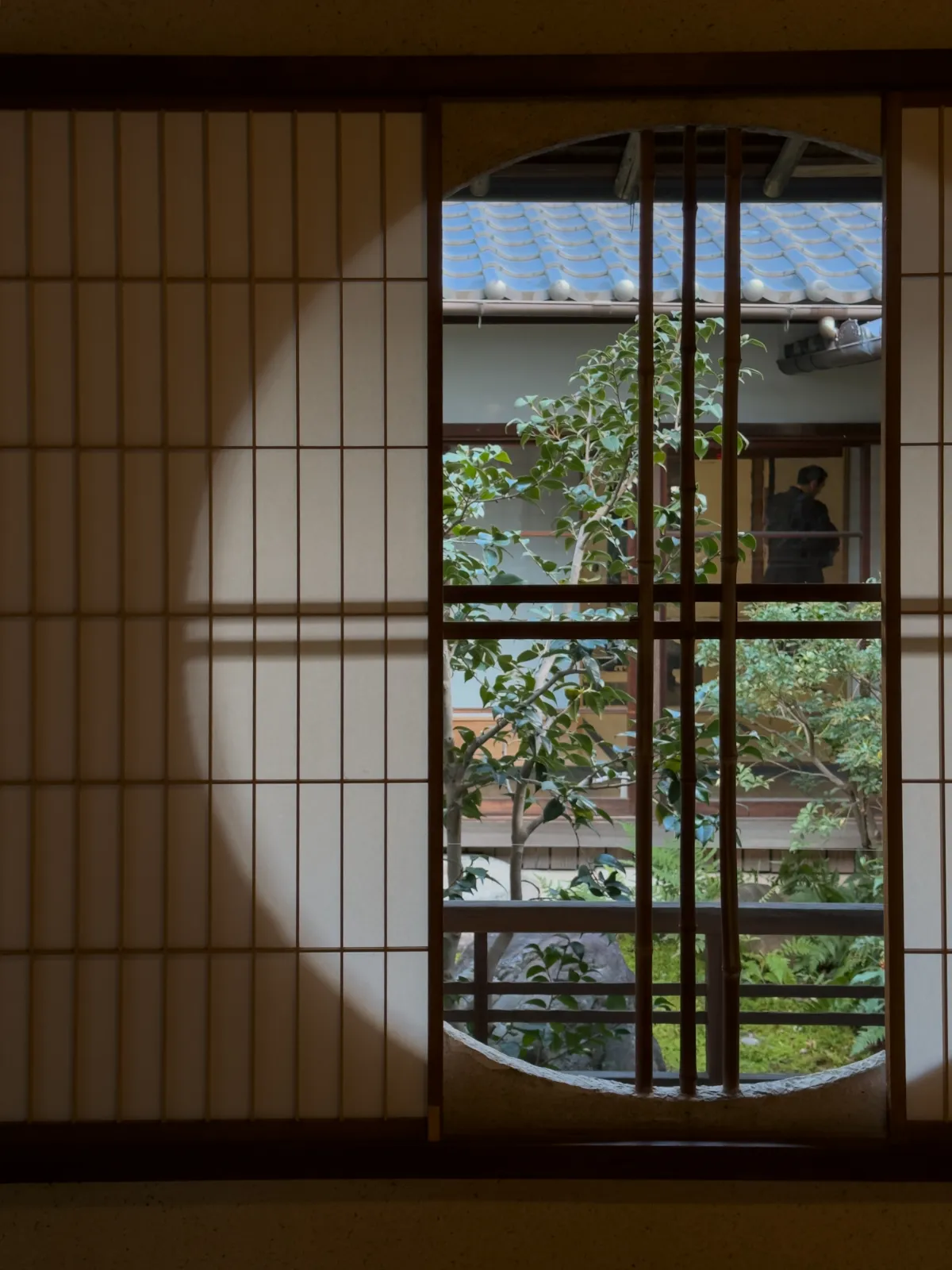
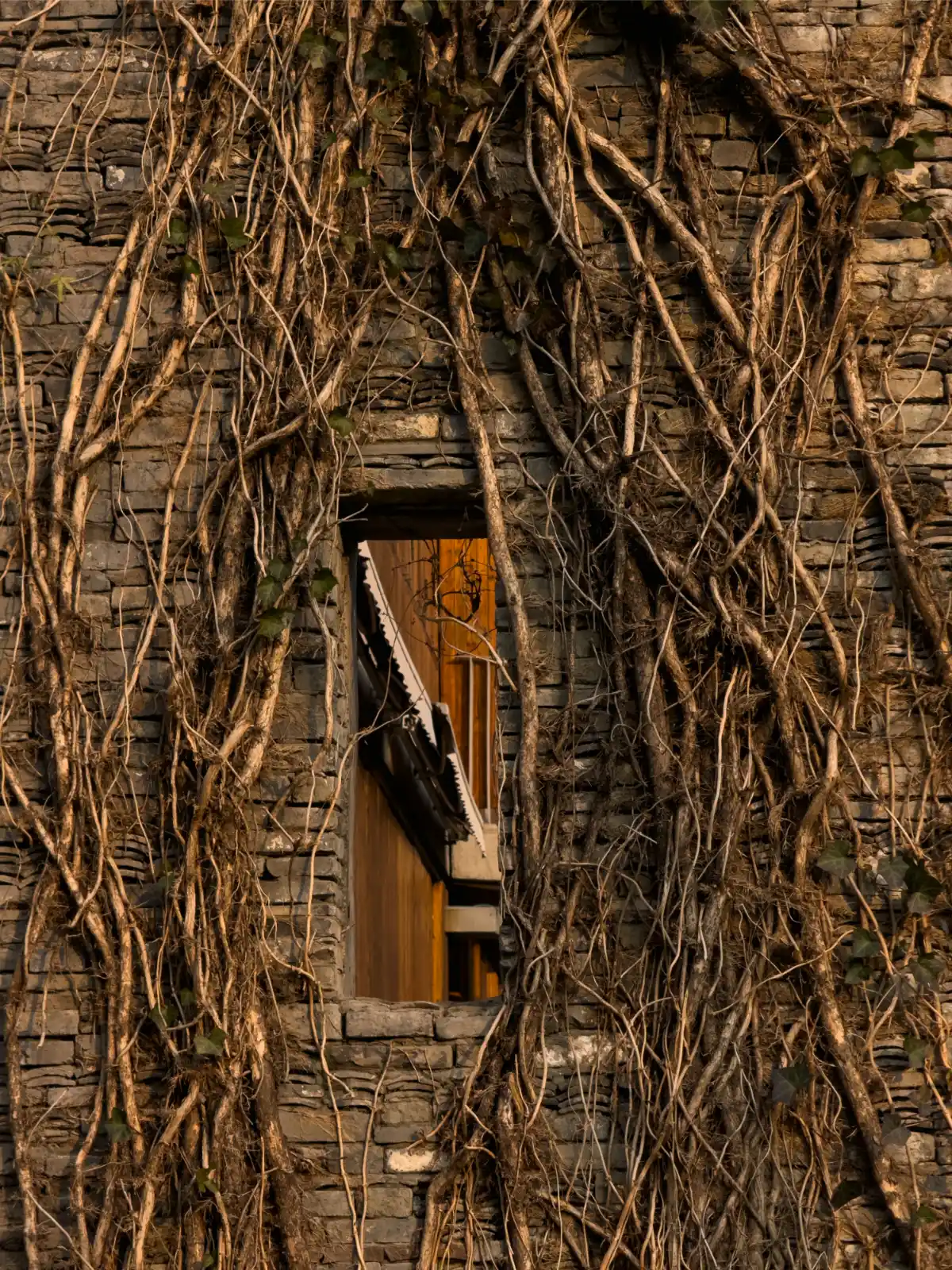
Windows and Doors

Tainan, Taiwan - 2025
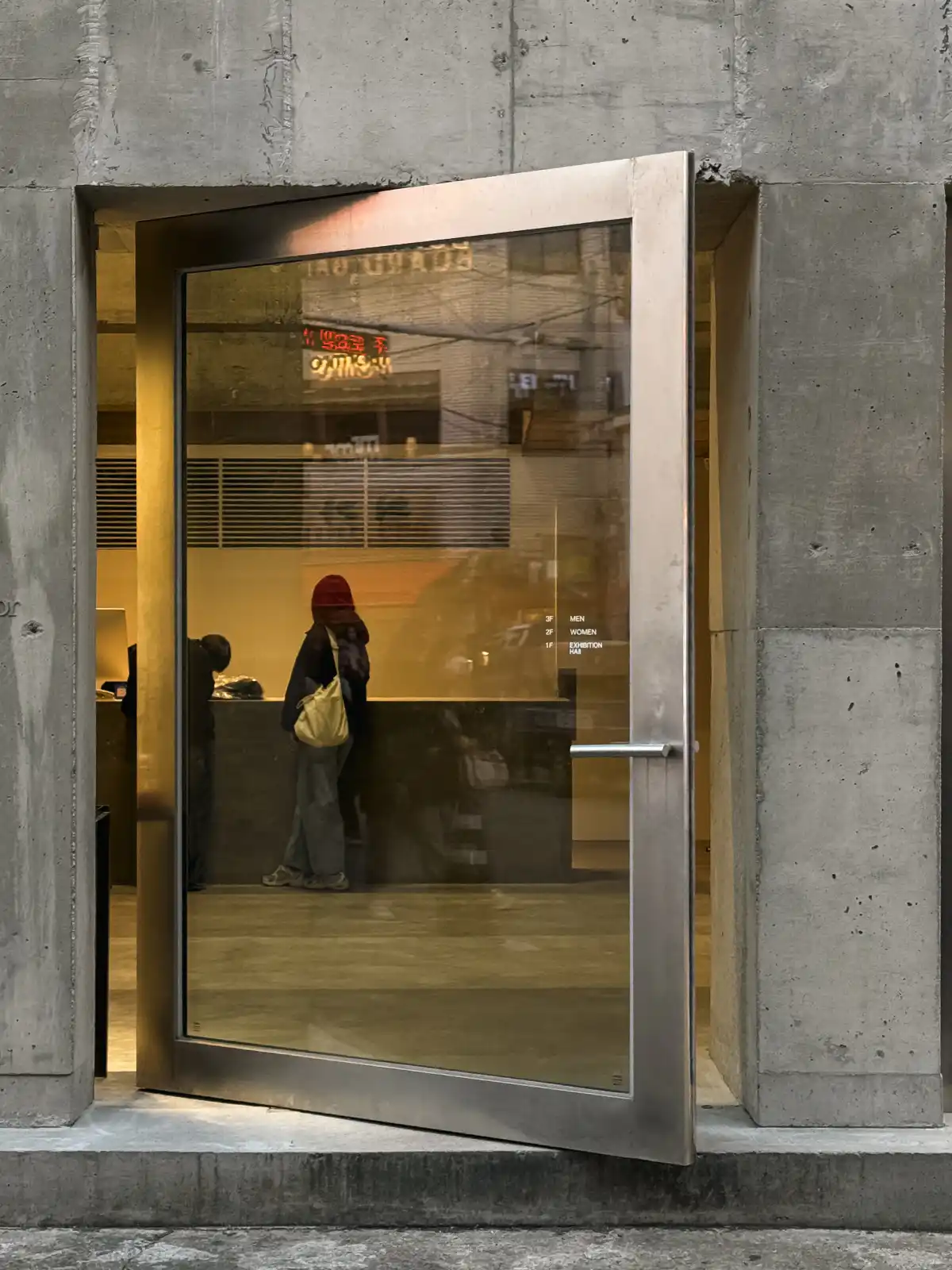
Seoul, South Korea - 2024
Busan, South Korea - 2024
Seoul, South Korea - 2024
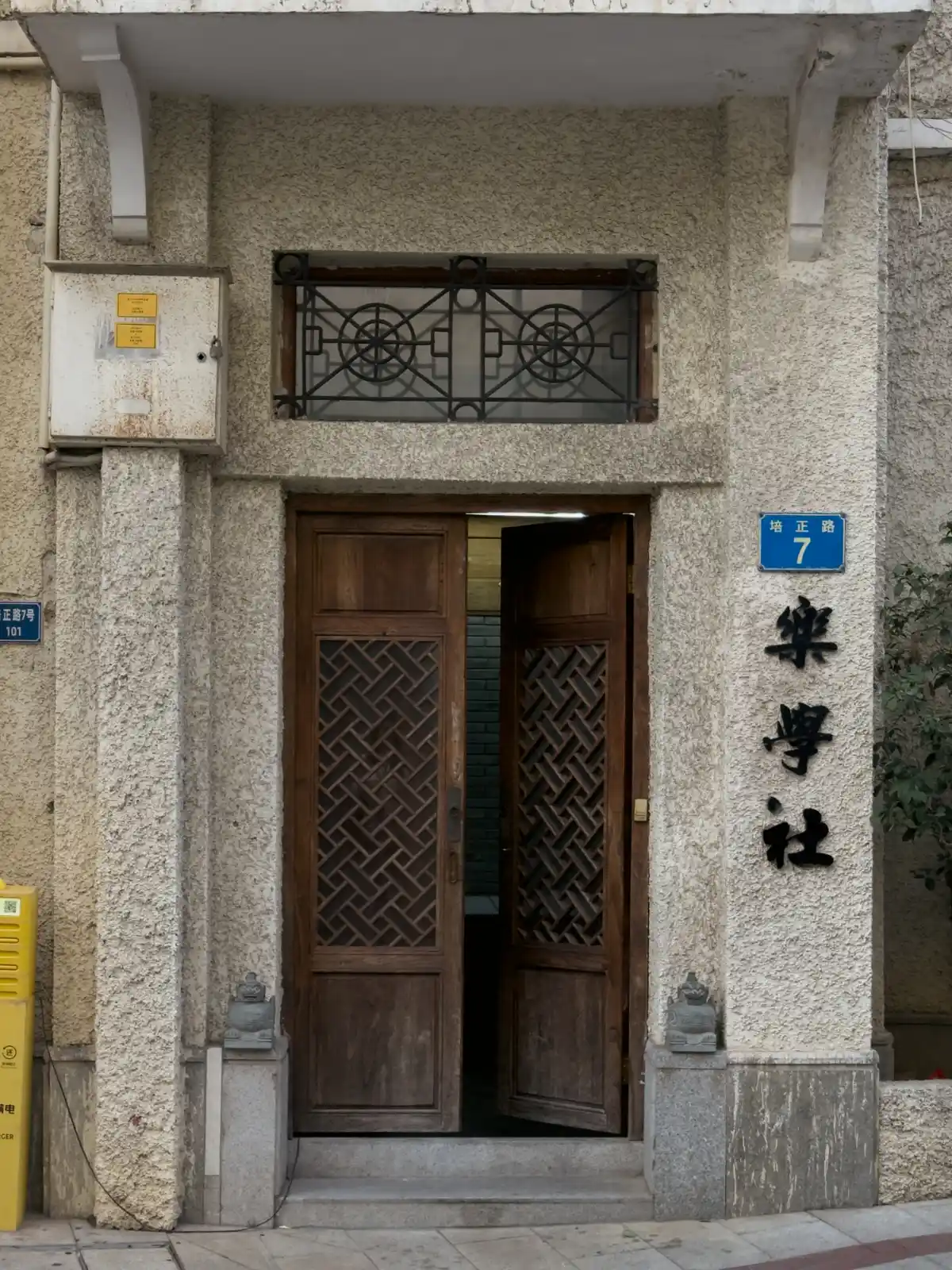
Guangzhou, China - 2025
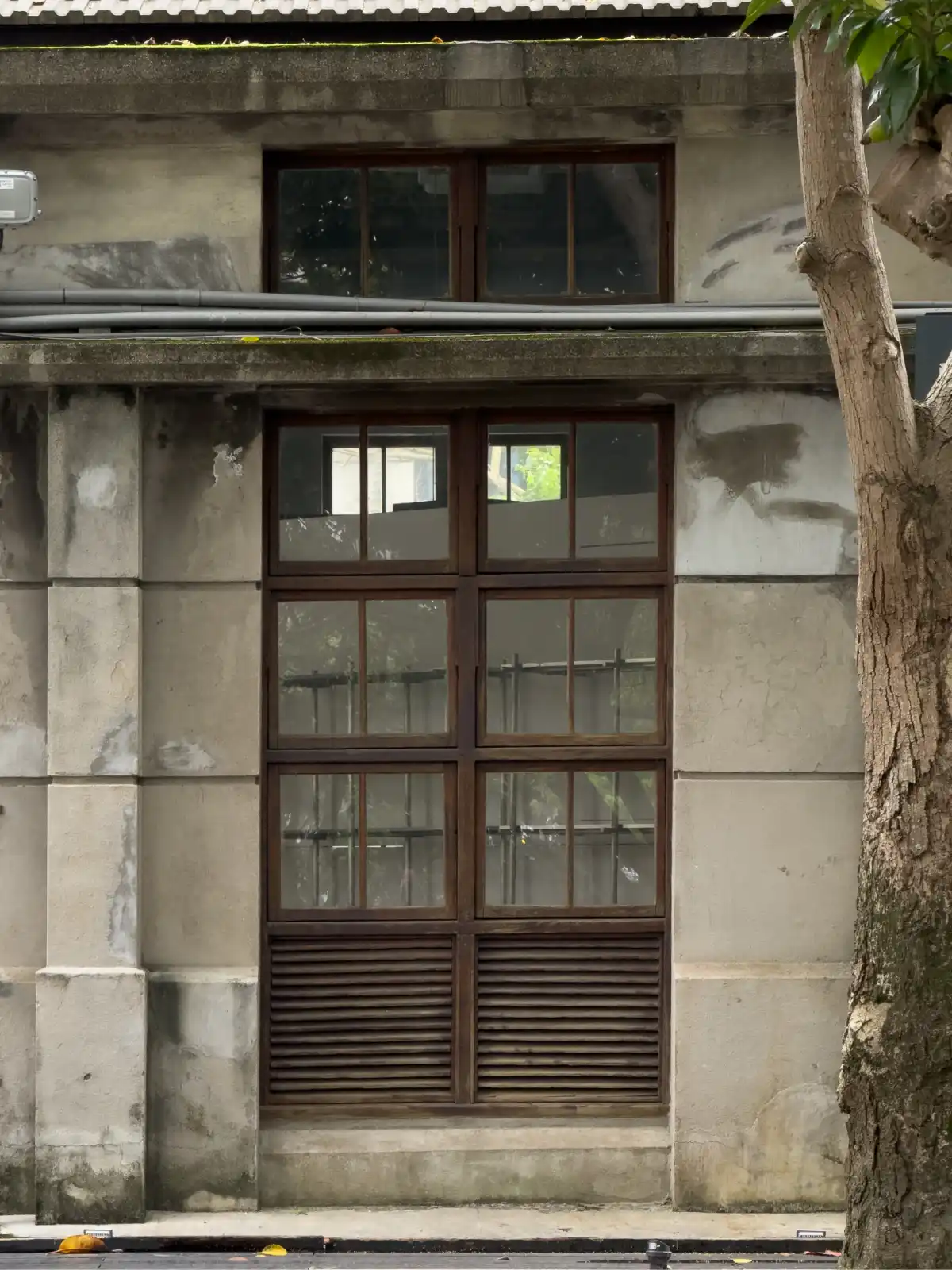
Taipei, Taiwan - 2025
Busan, South Korea - 2024
Shantou, China - 2025
Pingyao Ancient City, China - 2025
Nara, Japan - 2024
Hangzhou, China - 2025 (Wang Shu)

Façades

Tokyo, Japan - 2024
Tokyo, Japan - 2024
Tokyo, Japan - 2024
Hangzhou, China - 2025
Nara, Japan - 2024
Hangzhou, China - 2025
Huaihua, China - 2022
Songyang, China - 2022
Seoul, South Korea - 2024
Shantou, China -  2025
Shantou, China - 2025

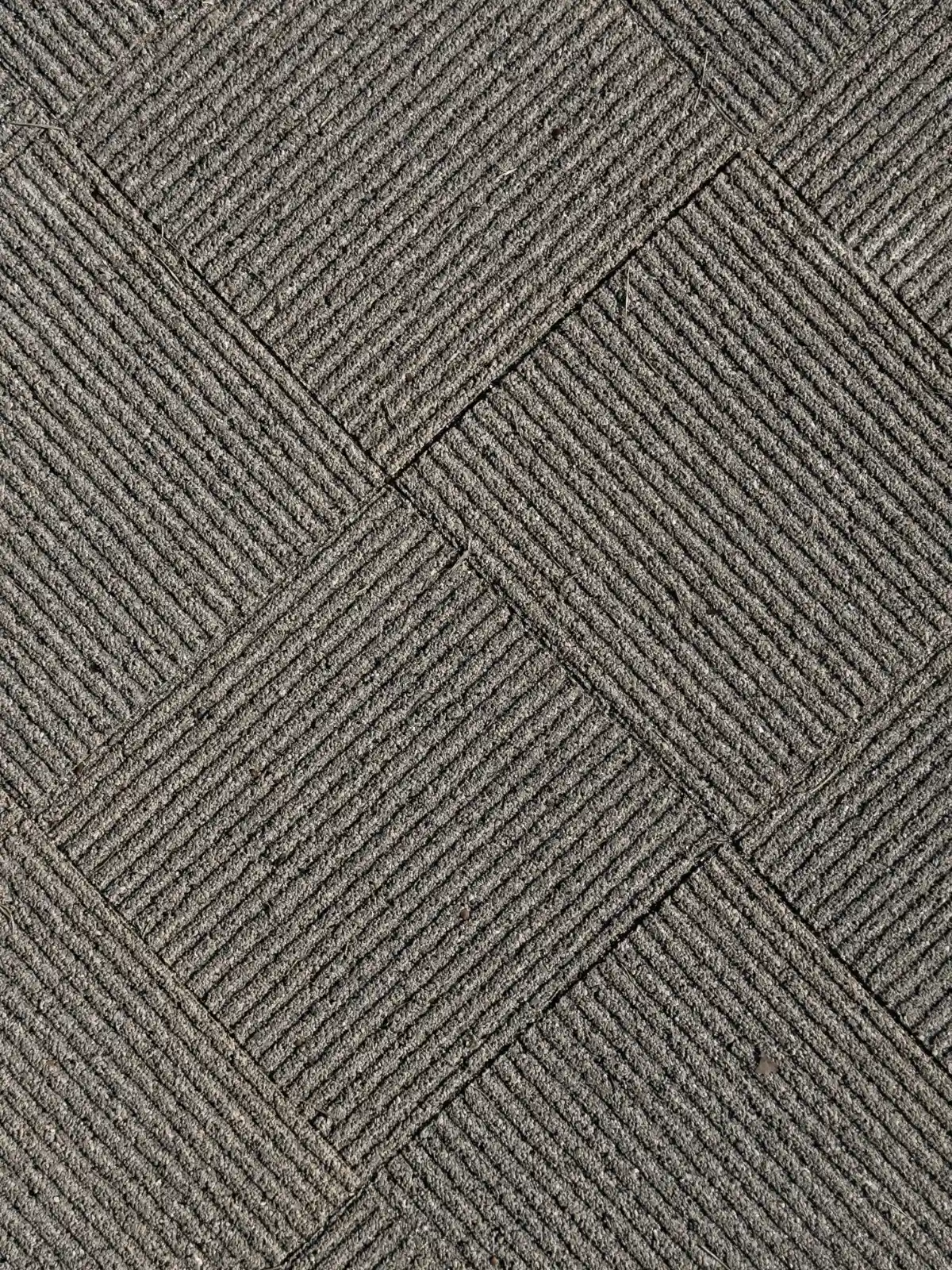
Floors and Pavements

Tokyo, Japan - 2024
Tokyo, Japan - 2024
Tokyo, Japan - 2024
Santou, China - 2025
Tainan, Taiwan - 2025
Santou, China - 2025
Ashiya, Japan - 2024
Taipei, Taiwan - 2025
Shunde, China - 2025
Hiroshima, Japan - 2024
Shunde, China - 2025
Seoul, South Korea - 2024

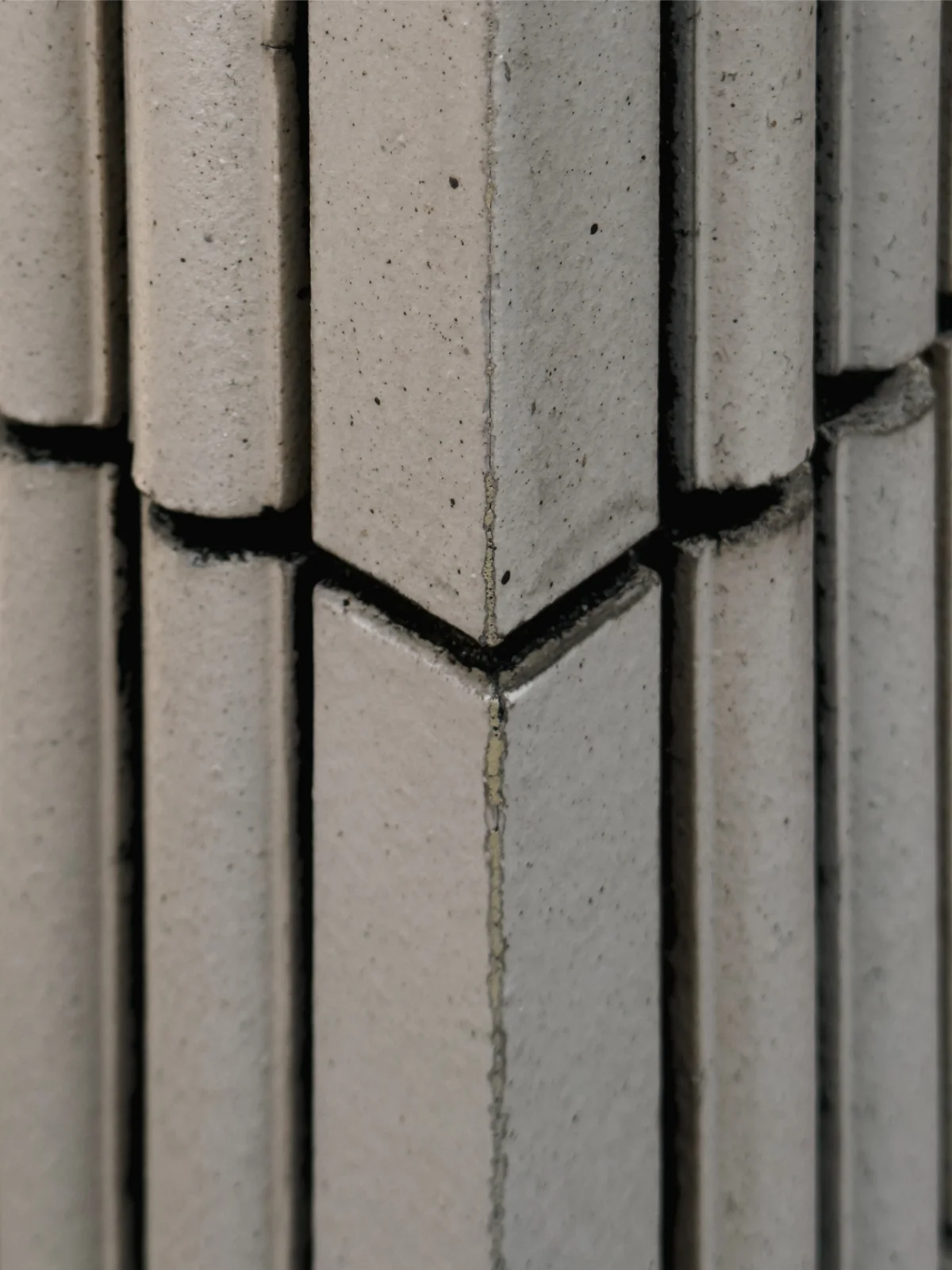
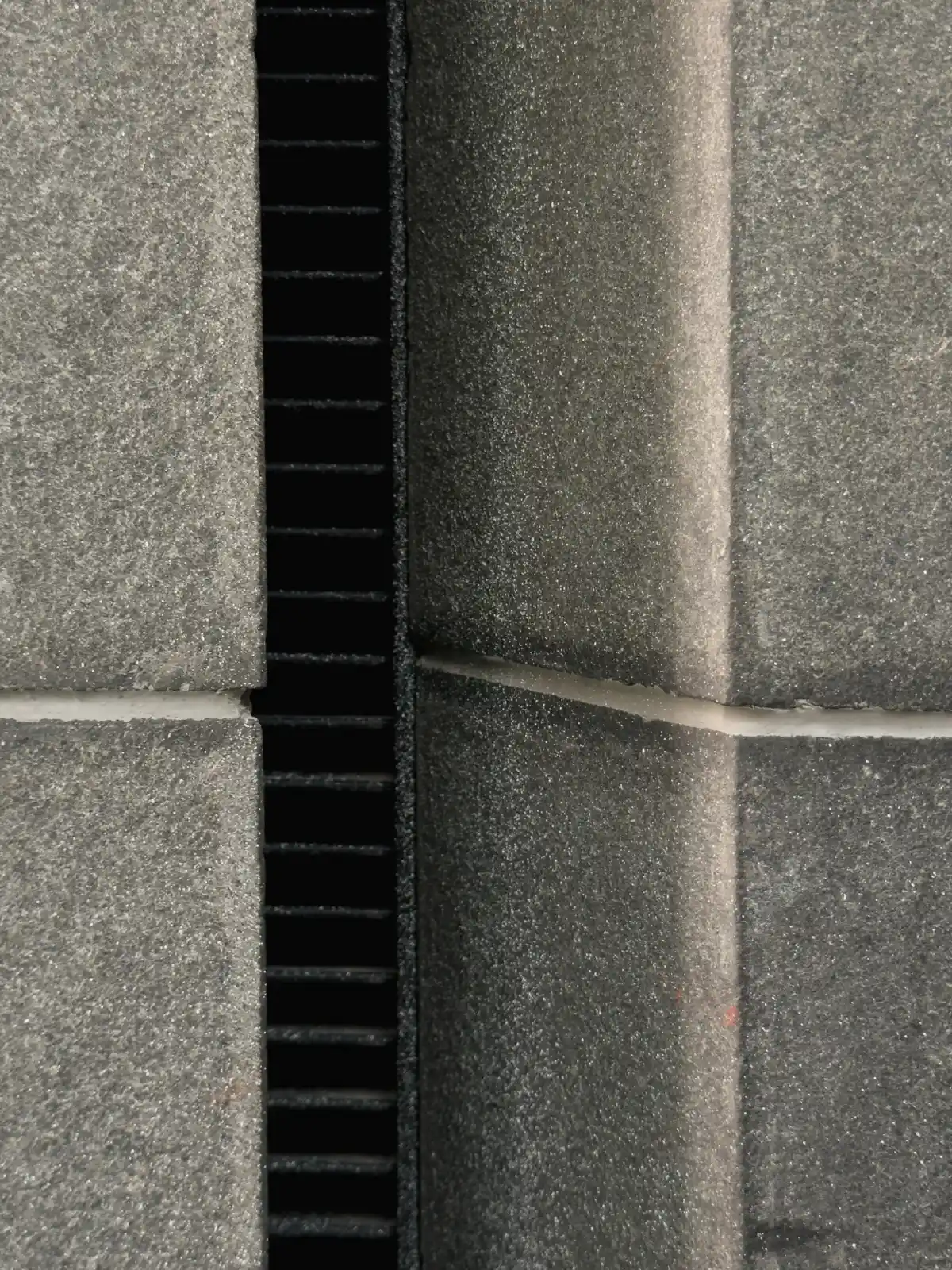
Tectonic Details

Taipei, Taiwan - 2025 (Renzo Piano)
Fuding, China - 2022
Shunde, China - 2025 (Tadao Ando)
Hiroshima, Japan - 2024
Tokyo, Japan - 2024
Suzhou, China - 2024 (I. M. Pei)
Shantou, China - 2025
Nara, Japan - 2024
Guangzhou, China - 2025
Suzhou, China - 2024 (I. M. Pei)
Taipei, Taiwan - 2025 (Renzo Piano)
Hiroshima, Japan - 2024

Spaces

Kaohsiung, Taiwan  - 2025
(Mecanoo)
Hangzhou, China - 2025
(Wang Shu)
Ashiya, Japan - 2024
(Frank Lloyd Wright)
Tokyo, Japan - 2024
Taipei, Taiwan - 2025
Shunde, China - 2025
(Tadao Ando)
Shanghai, China - 2025
(David Chipperfield)
Suzhou, China - 2024
(gmp Architects)
Seoul, South Korea - 2024
(Dominique Perrault)
Hangzhou, China - 2025
(OMA)
Fukuoka, Japan - 2024
(Mayekawa Kunio)
Osaka, Japan - 2024
(Katsuhiko Endo)

Streetscapes

Hong Kong, China - 2024
Nanjing, China - 2022
Songyang, China - 2022
Yushan Isalnd, China - 2022
Songyang, China - 2022
Kyoto, Japan - 2024
Suwon, South Korea - 2024
Wuyuan, China - 2022
Jieyang, China - 2025
Tokyo, Japan - 2024
Miyajima Island, Japan - 2024
Nara, Japan - 2024
Thanks for scrolling through — feel free to reach out or just say hi.